

5 min
In 2013 we saw a significant rise in Data Analytics and Big Data initiatives across all sectors in India. Finance, telecom, ecommerce and retail sectors showed higher investments in data related tools and technologies. Industries like healthcare, auto and manufacturing also increased their data related spend. Hiring picked up considerably but the demand supply lag was still considerable considering the sheer lack of availability of trained analytics professionals.
Some important figures are as follows:
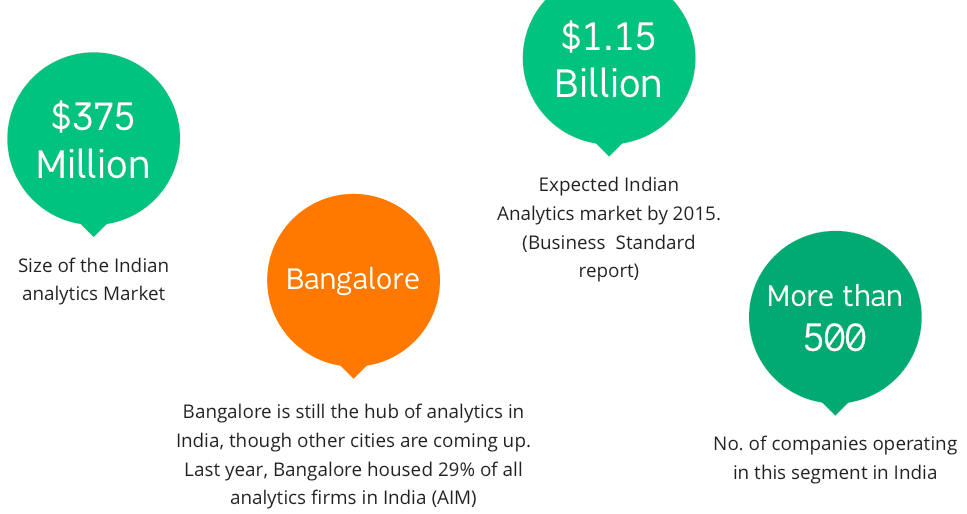 Other key facts for 2013:
Download the complete report below- [attachments include="5820"]
Other key facts for 2013:
- Though SAS remained a popular tool, trends show that R has been increasing its share of the market. Several analytics companies use both SAS and R, depending on project and client preferences.
- Big Data tools Hadoop and Map Reduce were industry favourites. Companies are investing in building this capability, but are not using it effectively yet.
- Hadoop skills were in demand coupled with SAS and R.
- Web analytics, text analytics and social media analytics began to gain popularity.
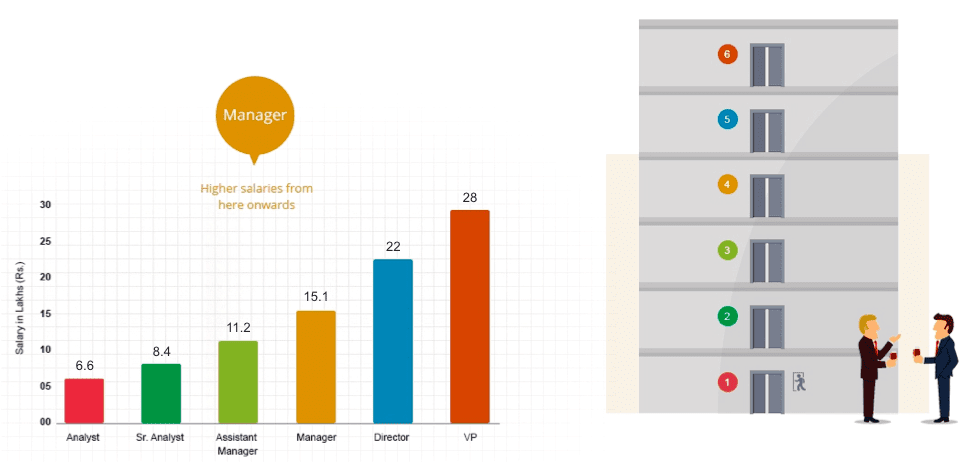
- Average entry level salaries have increased 27% since 2013, from Rs. 520 thousand to Rs 660 thousand per annum.
- Typically, there is a 250% increase in salary from entry level analyst to manager.
- Managers in analytics command an annual salary upward of Rs 1500 thousand.
- At senior levels, annual salaries are upward of Rs. 2500 thousand which is more than a 60% increase from a managers salary.
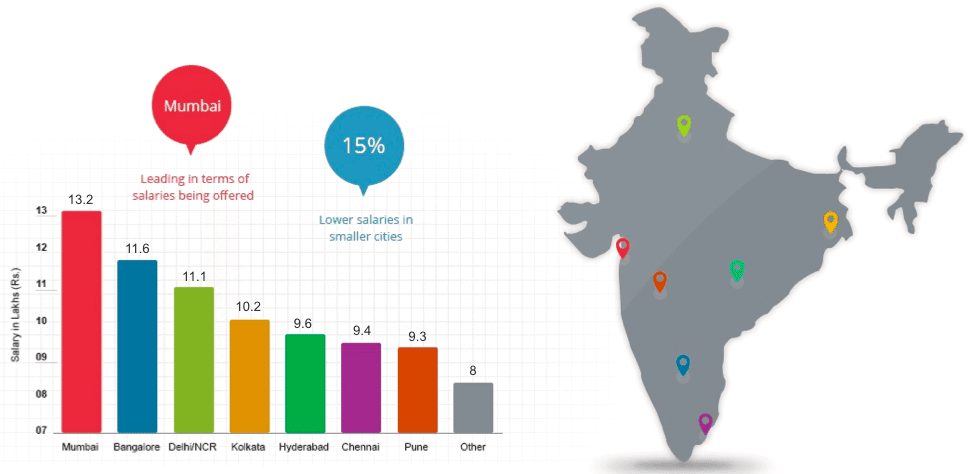
- Mumbai has traditionally offered the highest salaries because of its high cost of living and the trend continues.
- Bangalore and Delhi/ NCR are the hubs for analytics jobs. They have the highest number of analytics companies and analytics jobs with salaries in the range of Rs 11 hundred thousand.
- Analytics salaries in Hyderabad and Pune are 20% lower. Companies can bring their salaries down by 15% if they move to a smaller city.
- The average analytics salary in India is 11.1 hundred thousand.
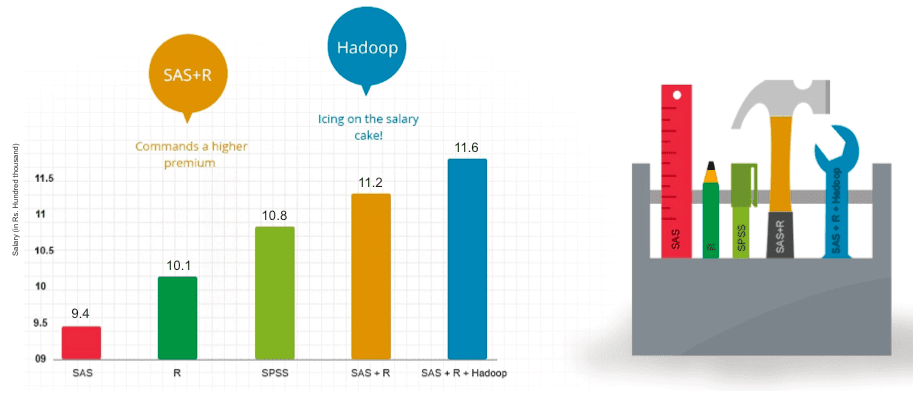
- Earlier, companies were using any one tool, SAS being the most common. Consequently those with expertise in SAS commanded the highest salaries. Today R is gaining popularity and companies are increasingly using a combination of SAS and R tools. This means higher salaries for those with SAS and R skills.
- Hadoop is also gaining momentum and has become a sought after skill.
- There is almost a 10- 20% premium in salary for those who know SAS, R and Hadoop.
Download the complete report below- [attachments include="5820"]

Your reaction
Discussion
What's your take on this story?
No comments yet — be the first to share your view.