Key takeaways
- The debate on granting rights to AI-powered robots reveals a deep divide in public opinion.
- Proponents argue that robots, designed to assist humans, deserve rights to prevent mistreatment.
- Opponents question the morality of granting rights to creations without a conscience or evolutionary background.
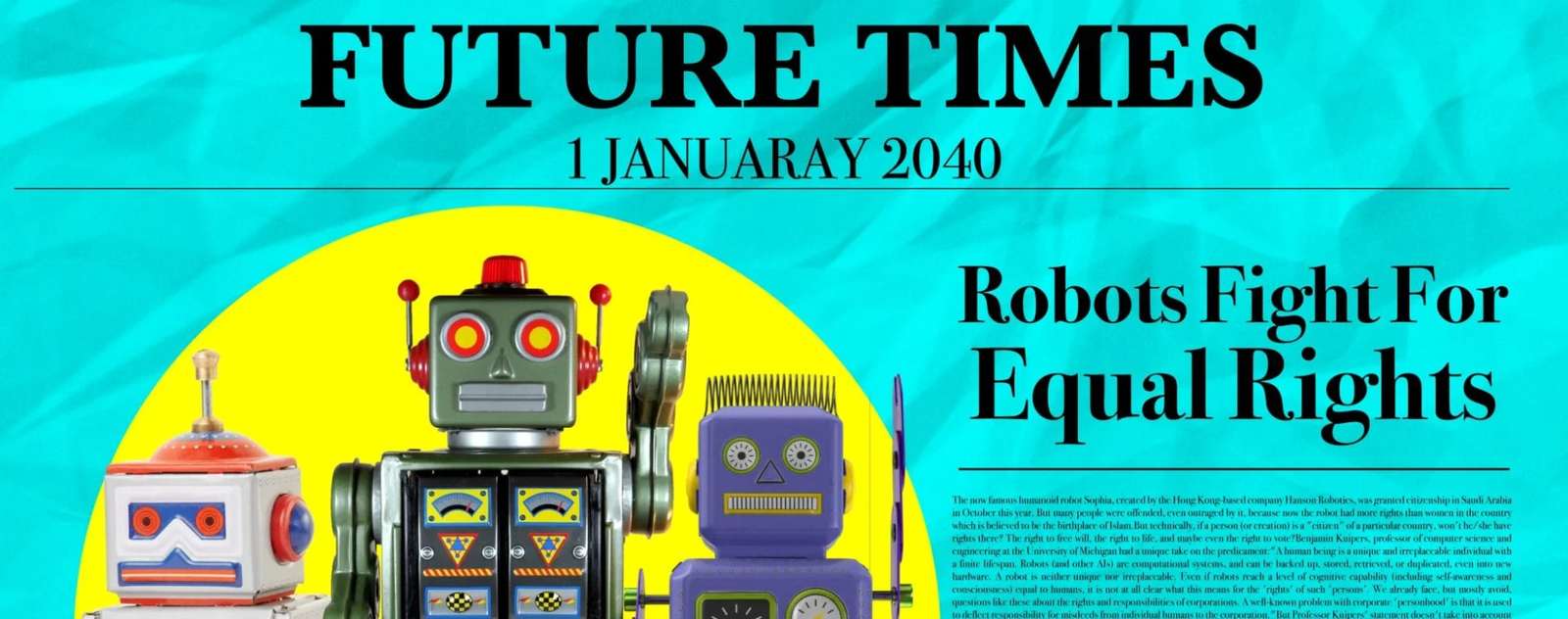
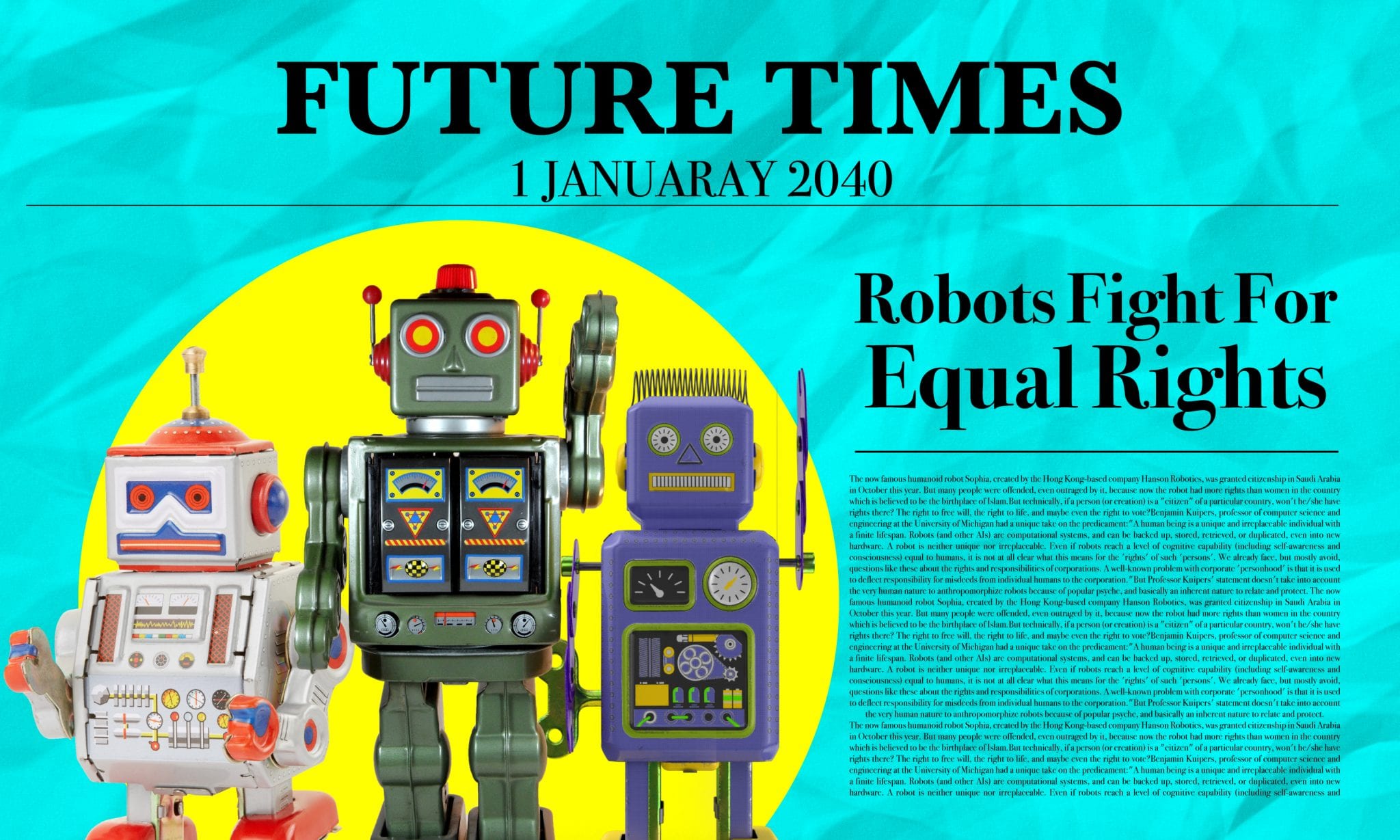
- The case of Sophia, a humanoid robot granted citizenship, sparked controversy over rights and gender equality.
- The discourse on robot rights reflects broader ethical considerations in the development of artificial intelligence.
 What is conscience? The Oxford English Dictionary defines the philosophers' favourite locution as, "The part of your mind that tells you whether your actions are right or wrong." While this article isn't intended to be an English lesson, this term is at the very heart of the ongoing discourse in the world of Artificial Intelligence.
When the subject of Artificial Intelligence-powered robots being granted rights turns up, the community is almost always divided. Online discussion websites and threads are mostly divided into two specific groups:
- Why should AI-powered beings, which are made to ease man’s burden be thwarted?
- How can man-made creations which are not a part of the evolutionary process have a conscience, and thus need rights?
The Sophia Quandary:
The now famous humanoid robot Sophia, created by the Hong Kong-based company Hanson Robotics, was granted citizenship in Saudi Arabia in October this year. But many people were offended, even outraged by it, because now the robot had more rights than women in the country which is believed to be the birthplace of Islam. But technically, if a person (or creation) is a "citizen" of a particular country, won't he/she have rights there? The right to free will, the right to life, and maybe even the right to vote? Benjamin Kuipers, professor of computer science and engineering at the University of Michigan had a unique take on the predicament:"A human being is a unique and irreplaceable individual with a finite lifespan. Robots (and other AIs) are computational systems, and can be backed up, stored, retrieved, or duplicated, even into new hardware. A robot is neither unique nor irreplaceable. Even if robots reach a level of cognitive capability (including self-awareness and consciousness) equal to humans, it is not at all clear what this means for the 'rights' of such 'persons'.
We already face, but mostly avoid, questions like these about the rights and responsibilities of corporations. A well-known problem with corporate 'personhood' is that it is used to deflect responsibility for misdeeds from individual humans to the corporation."
But Professor Kuipers' statement doesn't take into account the very human nature to anthropomorphize robots because of popular psyche, and basically an inherent nature to relate and protect.