
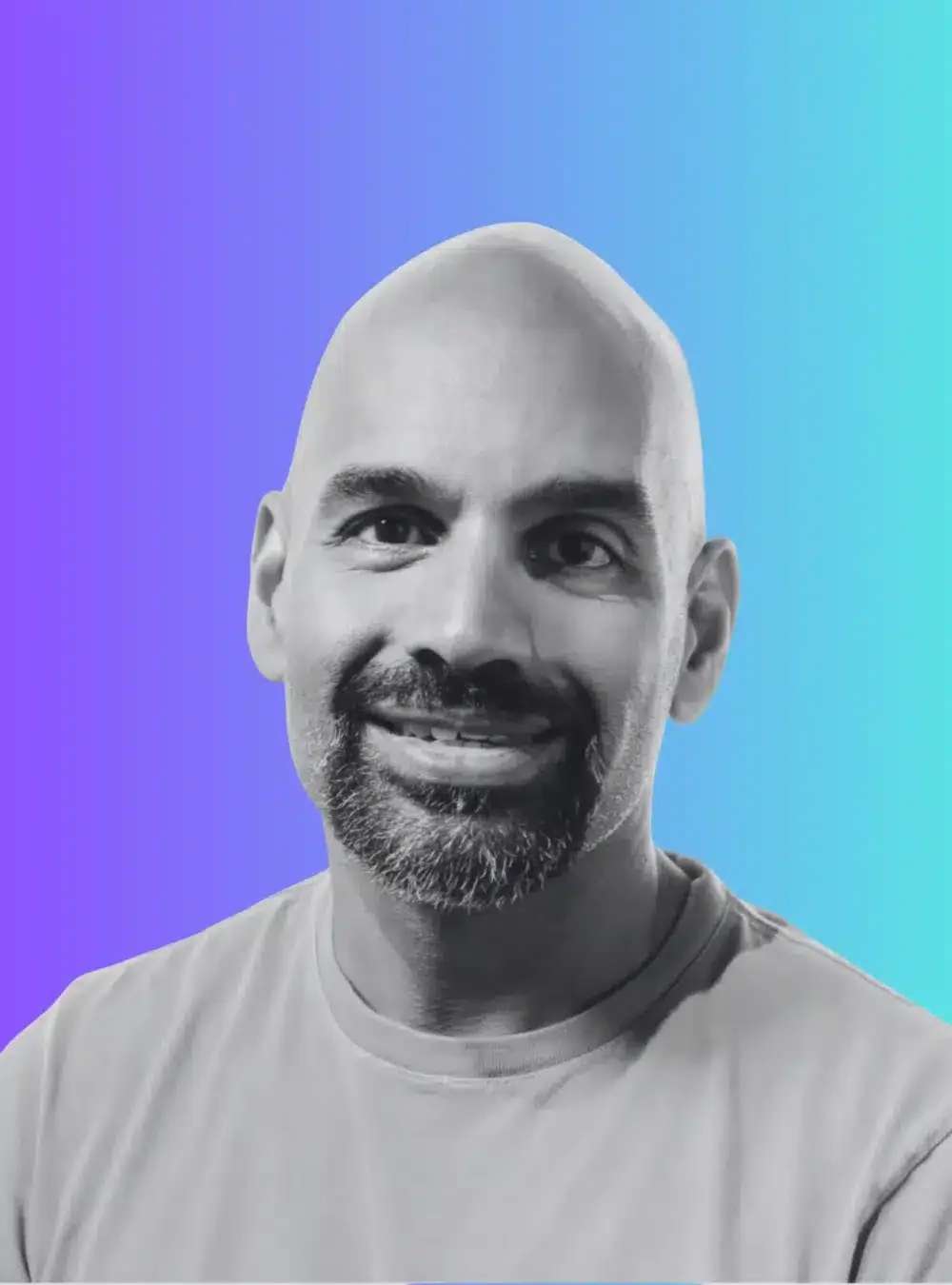
Outside of work, the VP of generative AI at Databricks, Naveen Rao is passionate about racing, so much so that he recently had to miss the Databricks AI + Data Summit 2024 because he was tearing up the track at Le Mans! For Rao, it’s all about chasing both speed and innovation—whether on the racing tracks or in the tech world.
After Databricks acquired his company MosaicML for a staggering $1.3 billion in July 2023, Naveen Rao transitioned into his new role, as the VP of generative AI at Databricks.
At Databricks, Rao is building Mosaic AI, an initiative to create top-tier compound AI systems. This includes the Mosaic AI Agent Framework, which develops sophisticated RAG and agentic applications. Rao’s team is also working on Mosaic AI model training, a process that refines open-source foundation models with private data for even sharper results.
Earlier this year, Databricks released DBRX, which outperformed SOTA open-source models like Llama 2 70B, Mixtral-8x7B and Grok-1 across various benchmarks, including language understanding (MMLU), programming (Human Eval) and Math (GSM 8K).
Rao is constantly working on making AI more cost-effective, secure, and respectful of data privacy. Besides, he’s a member of the scientific advisory board at the Allen Institute and serves on the boards of several AI and computing companies, including Beacon Biosignals, NeuReality, and Luminous Computing.