
5 min
 With the aim of making insurance simple, Digit Insurance, Bengaluru-based insur-tech company has ventured completely onto the technology road. It is adopting analytics and data science to revolutionise the insurance space and make it completely digital. Founded by Kamesh Goyal, who has been associated with the insurance space for over two decades, Digit is backed by Fairfax Group, which is amongst the largest General Insurance companies in the world. Digit started operations in December 2017 and have had an investment of $94 million till now over two rounds.
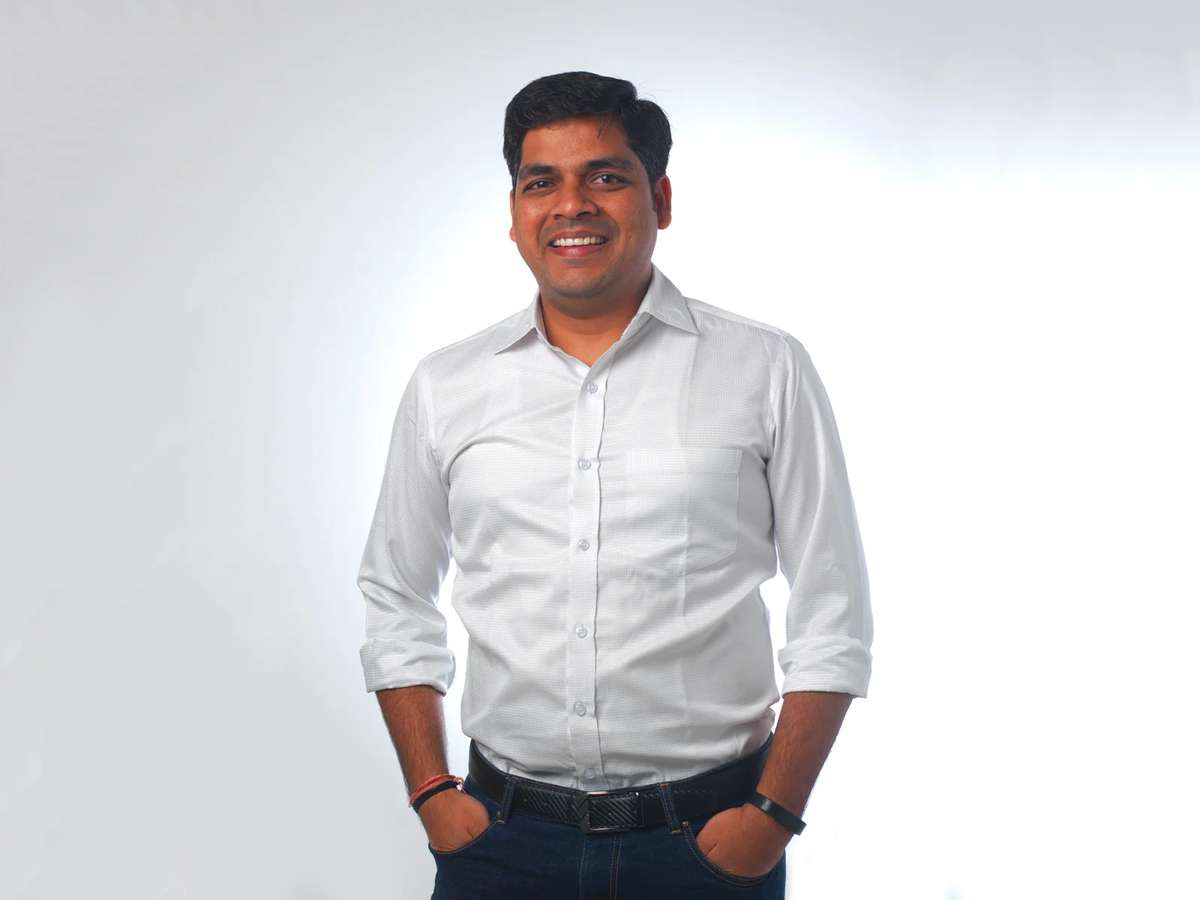
Analytics India Magazine caught up with Vishal Shah, Head of Data Sciences at Digit Insurance to get an insight into the technology they use to make the entire process, including inspections, completely digital. In fact, Digit is one of the first insurance companies to be fully on cloud-enabling extremely fast scaling and disaster recovery. With a total headcount of 1000+, Digit boasts of a strong analytics and tech team.
Analytics India Magazine: How is Digit Insurance coping as a new general insurance startup in India when there is already so much competition in the space?
Vishal Shah: While a lot of insurance companies have gone the digital way, we believe that just being online or having technology enabling processes is not enough. Technology should enable simplicity and that has been the goal for Digit from day one of operations.
Digit Insurance was started with a mission to ‘Make Insurance Simple'. The insurance industry was struggling to gain the trust of the customers with traditional processes, lengthy and jargon-filled documentation and never-ending claims cycles. Digit aimed to change all of this and more.
Today, with the way we have transformed the traditional insurance processes from on-boarding to claims of the customer, we have been able to cross a base of 3 million customers with a premium of 1200+ crores and more than 35000 claims. All this within a span of 17 months of operation!
AIM: How did the idea of founding Digit Insurance conceptualize? How has been the journey so far?
VS: It was founded by Kamesh Goyal and the core team consisted of 7 other powerful minds with great experience and diverse fields of knowledge. When Digit's initial team got together, the one thing that bothered them was how much insurance was distrusted by people. Terms and conditions that were written to maintain clarity were indeed looked with a sceptical or a helpless eye.
This introspection led to Digit's mission to ‘Make Insurance Simple'. If there is one thing that would truly make a difference to people in the insurance context, it is busting complexity and bringing in simpler insurance. Our idea was to simplify the insurance customer's journey and provide them with a happy experience. We have been successful in doing so with our customers providing us with 72% Net Promoter Score (NPS), a score that no other insurance company has been able to claim. Even our investor, Mr Prem Watsa from Fairfax Holdings, has shown his faith in our growth by showing an interest in wanting to take our business model to the global markets.
AIM: How is Digit Insurance reimagining products and processes to provide unique offerings to the customers?
VS: At Digit, we make sure that the product built for the customers addresses their pain points and is provided with the utmost care to make the customer’s journey simple and hassle-free like we would for our family. Some of the reimagined offerings that we provide are mentioned below:
Customised products: We offer products that make sense for people and their fears. If someone fears only about their screen’s damage which is 65% of the damage cases in India, they needn’t go the full hog and buy a theft and all damages product, they can simply choose to protect their screens only.
Products that can be bought for one’s own family: Digit has made claim terms in a way that are beneficial for themselves and their families. For example, Digit started with 75 min flight delay benefit (the common ones) and 2 hours checked-in baggage delay benefit that are the common ones in comparison to industry norms like 6 hours of a flight delay, 6 hours of checked-in baggage delay, that rarely happens. And when it comes to the flight delay, people don’t even need to claim. 100% of our flight delay claims are automated i.e. when a flight is delayed beyond the stipulated time, an SMS is auto-triggered for a claim and people just need to send their boarding pass and their claim money is paid.
Super-simple, Paperless, Smartphone-enabled claims: In one of the consumer researches conducted, a customer said, ‘I know that whenever I’ll claim, there would be something hidden somewhere in the document that denies my claim!’. That’s the sorry state of affairs when it comes to claims, even before claiming there’s a sense of rejection! So, we deep dived into what goes wrong actually and devised solutions.
| The problem | The solution |
| People don’t understand the terms clearly | We launched Simple to understand docs with summaries explaining exactly what’s covered and what’s not |
| When it's time to claim, they are loaded with documents to be submitted in hard-copies | Paperless insurance: Everything is accepted as soft-copies and can be sent as pictures clicked on a smartphone |
| They wait for days for inspection/ surveys to be done before a claim estimate is drafted for them | DIY Self-inspections: Given the usage of smartphones is ubiquitous, it made sense to use the technology for claims too, replacing some manual processes. Where earlier people waited for weeks for a third-party inspector to come and check their car’s damage, now people can do it with an easy app on their smartphones through sharing images and videos, all this in minutes. No wonder 95% for mobile and travel are done through self-inspection |
- The AI Slowdown Narrative Doesn’t Reflect Enterprise Reality
- India’s Enterprises are Scaling AI. Is the Infrastructure Ready?
- Industry Wants Faster Approvals and Cheaper Power in India’s Data Centre Policy
- Inside Jio Platforms: Its Tech Bets, Loss-Making Subsidiaries and Hidden Risks
- India’s GCCs to Add 1.4 Million Jobs, Drive 170 Million Sq. Ft. Office Demand by 2031
- AI Can Be Cyborg or Centaur. But Can Enterprises Monetise It?