MathCo Plans 2,000 AI Hires as Enterprise AI Services Shift from Pilots to Deployment
By Ajay Rag ·
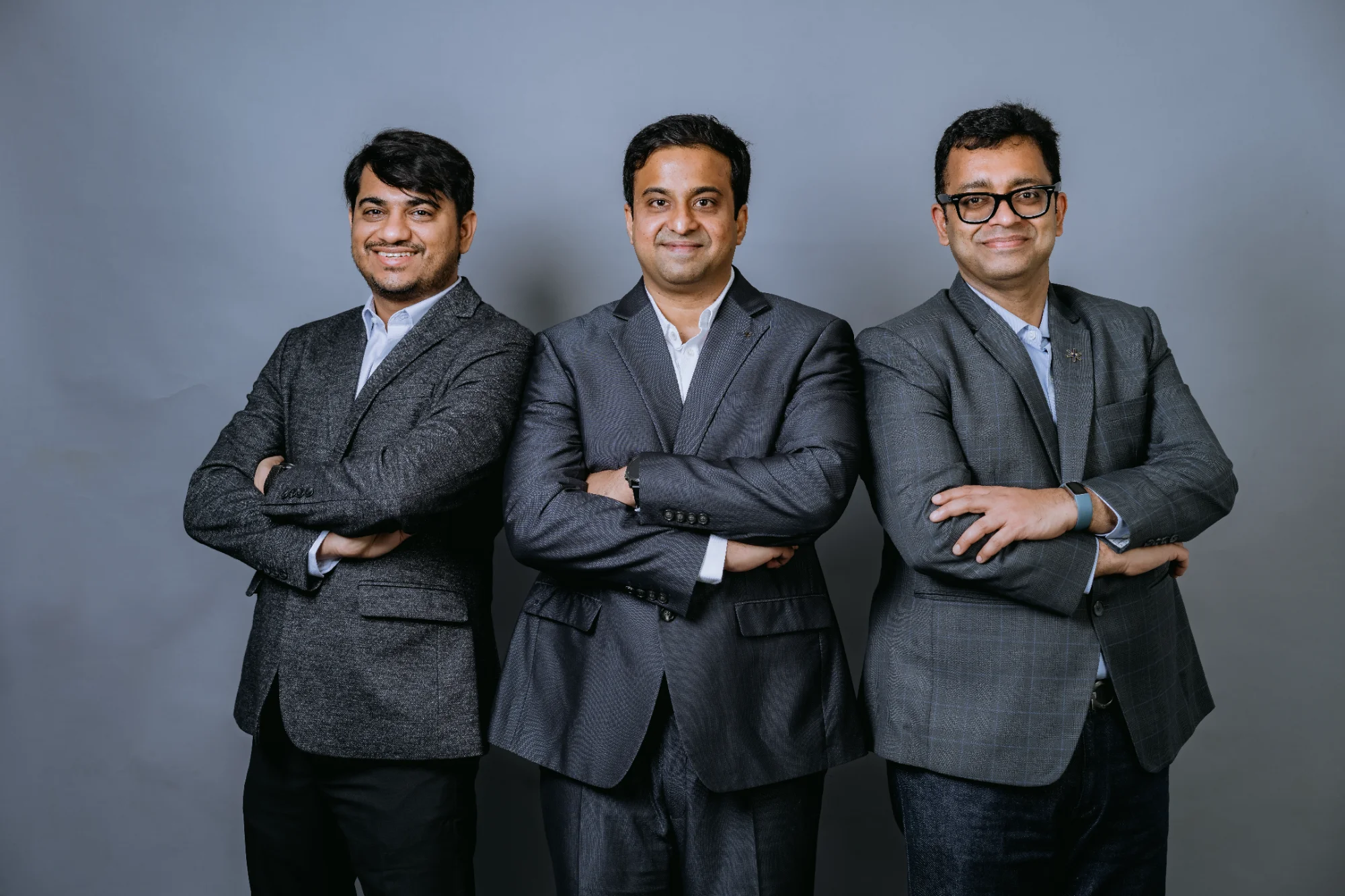
Enterprise AI and analytics company MathCo plans to create more than 2,000 specialised artificial intelligence roles as it shifts to an AI-native operating model, betting that the next phase of enterprise AI adoption will be driven less by standalone pilots and more by embedding AI into day-to-day business processes.
The Bengaluru-based company, which is marking a decade of operations, plans to build a workforce of more than 4,000 AI-native professionals across India and the US, up from a current headcount of about 2,000, with roughly 90% of it based in India.
The hiring and reskilling programme will include Forward Deployed Engineers (FDEs), a role that has gained prominence in the AI industry as companies look for engineers who can work directly with customers to build, customise and deploy AI systems in real-world environments.
“From a skill set perspective, I think a lot of things that we were using people for, like a lot of mundane tasks, or tasks that can be automated, that way of working has drastically shifted. So, people have gotten 20–30% more productive, which frees up their time to actually spend time on the insights on what they are really telling businesses to change about their operations or their supply chain or marketing. So, it has moved away from, let me clean this information or let me organise this information to what I should really recommend,” Co-Founder and CEO Sayandeb Banerjee said in a media roundtable.
MathCo is also targeting threefold revenue growth over the next four years, and the expansion is expected to come from deeper engagements with existing customers, new client wins and a broader portfolio of AI-native solutions.
Co-Founder and COO Aditya Kumbakonam says most large clients aren’t simply chasing lower costs but asking for more output at the same spend.
“Think of large companies. They always want more value. Anybody who was focused on “I can get 10% (cost reduction)” is not looking at it that way. We are also encouraging this, and our customers also take this into perspective,” says Kumbakonam.
The announcement comes as enterprise AI market enters a more difficult phase. While companies have rapidly experimented with generative AI and deployed individual use cases, many are now grappling with the harder problem of integrating AI into existing technology stacks, business processes and decision-making systems.
Banerjee says this shift has intensified sharply “over the last six to 12 months”, even as MathCo has been building towards an AI-native model for years. He adds that at MathCo, roles themselves aren't disappearing—only the skills underlying them are: “the roles don’t get obsolete, but the skills get obsolete,” he says.
FDEs are emerging as one such role. Unlike traditional offshore development teams, these engineers typically work close to the customer, translating business problems into AI applications and helping integrate them into production environments.
Kumbakonam says the industry has no ready-made pool of FDE talent to hire from, so MathCo expects 60-70% of its new AI workforce to come through internal training rather than lateral hiring.