Key takeaways
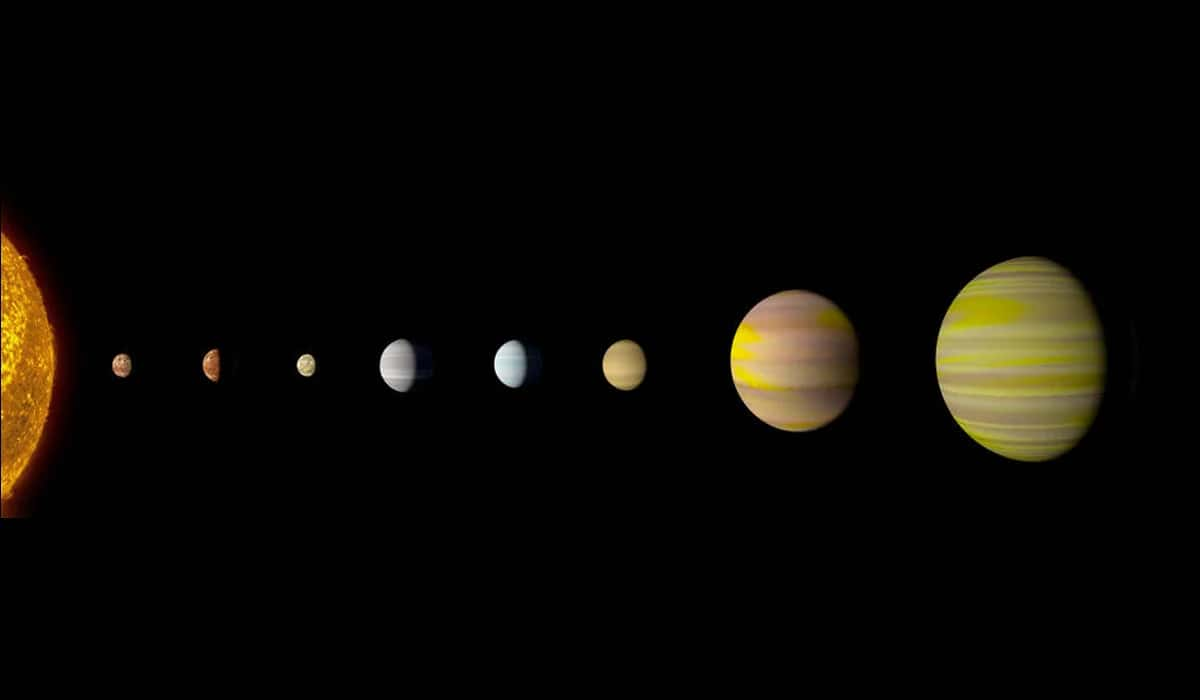
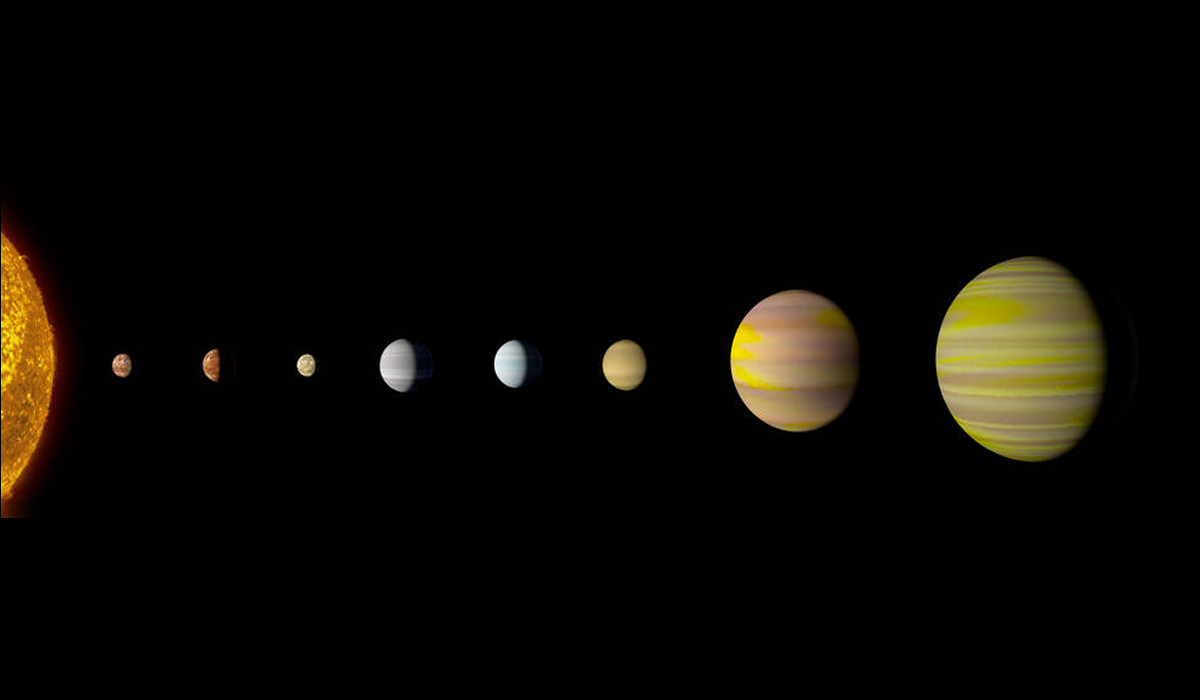
- NASA utilised artificial intelligence to discover the eighth planet orbiting the star Kepler-90, located 2,545 light-years from Earth.
- The planet, named Kepler-90i, is a rocky world that orbits its star in just 14.4 days.
- Machine learning techniques were employed to analyse data from the Kepler Space Telescope to identify exoplanets.
- Kepler-90i is approximately 30 percent larger than Earth and has an extremely high surface temperature exceeding 800 degrees Fahrenheit.
Artificial “neural network” is the way out!
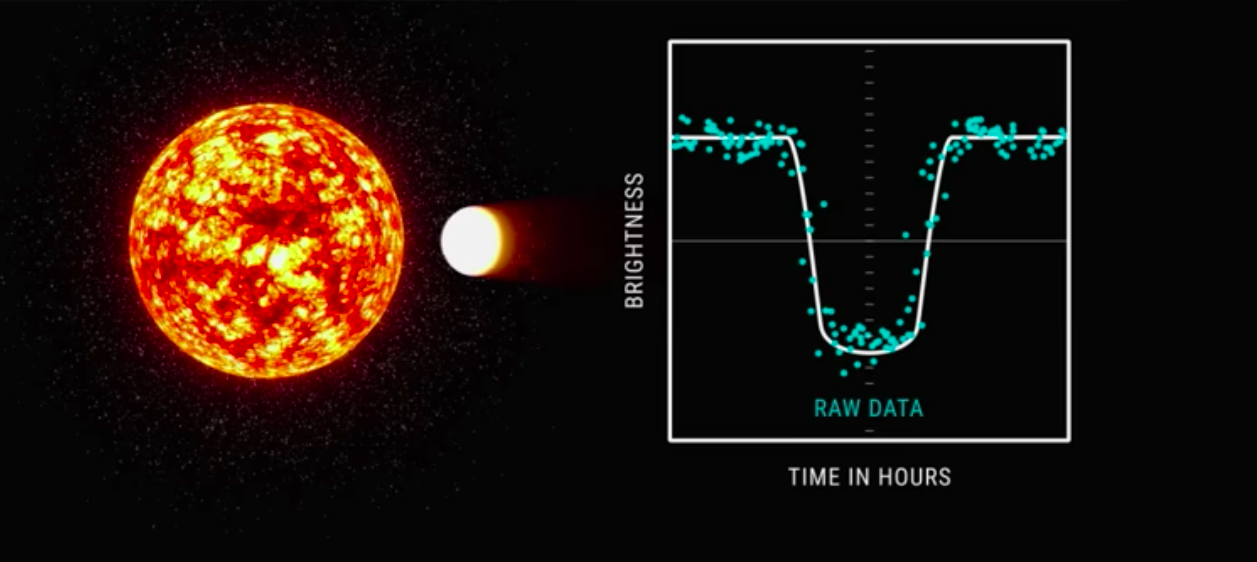
NASA researchers Christopher Shallue and Andrew Vanderburg trained a computer to learn how to identify exoplanets in the light readings recorded by Kepler, which identified minuscule change in the brightness captured when a planet passed in front of, or transited a star. This artificial neural network which is inspired by the way neurons connect in the human brain sifted through Kepler data and found weak transit signals from a previously-missed eighth planet orbiting Kepler-90, in the constellation Draco. While machine learning has previously been used in searches of the Kepler database, this research demonstrates that neural networks are a promising tool in finding some of the weakest signals of distant worlds, said the NASA website.