
5 min
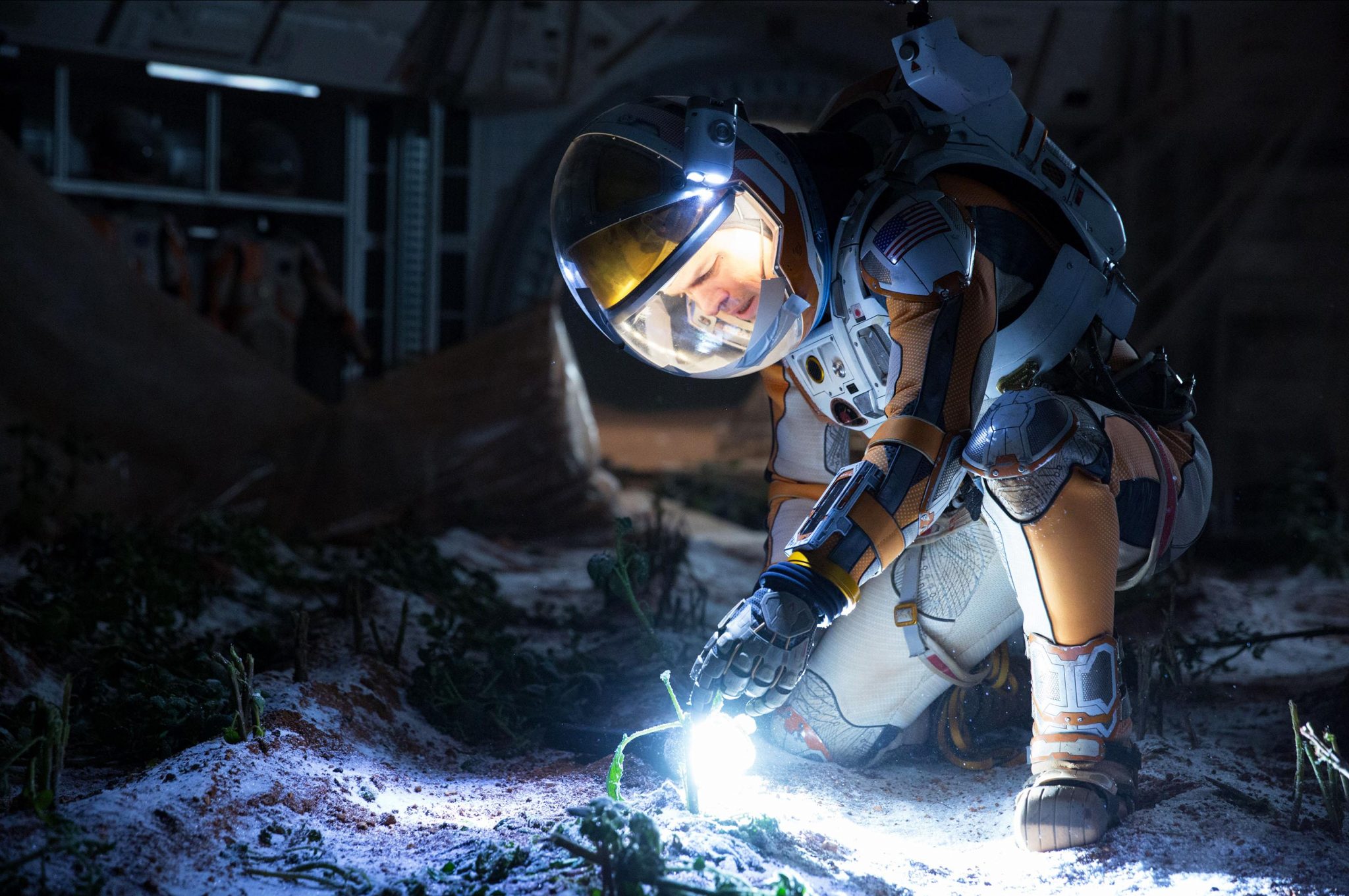 You may be all too familiar with HAL 9000 from Space Odyssey, 2001 film , AI program onboard the spaceship that became all too powerful. Last year, NASA inched closer to bringing its own version of HAL to life. Welcome NASA’s humanoid robot, developed to power space exploration and help astronauts by operating in extreme and dangerous environments and performing repetitive tasks. Though Robonaut is still in a test phase, the ESA powered it up to test its power consumption and troubleshoot a faulty cable. The ESA post reveals that Robonauts could be used to explore other planets under human control by astronauts – the Haptics2 telerobotic experiment.
From unmanned shuttles to rovers and now robonauts currently in the test stage, AI technology is helping space scientists chart safe paths of travel and respond to emergencies faster.
Of late, there has been a surge of interest in artificial intelligence (AI) and NASA has been using it not just for Curiosity’s NAV, but in many other ways. Scientists believe AI is a key enabler in taking space exploration forward.
Analytics India Magazine presents some ways NASA and other space agencies use AI in space exploration
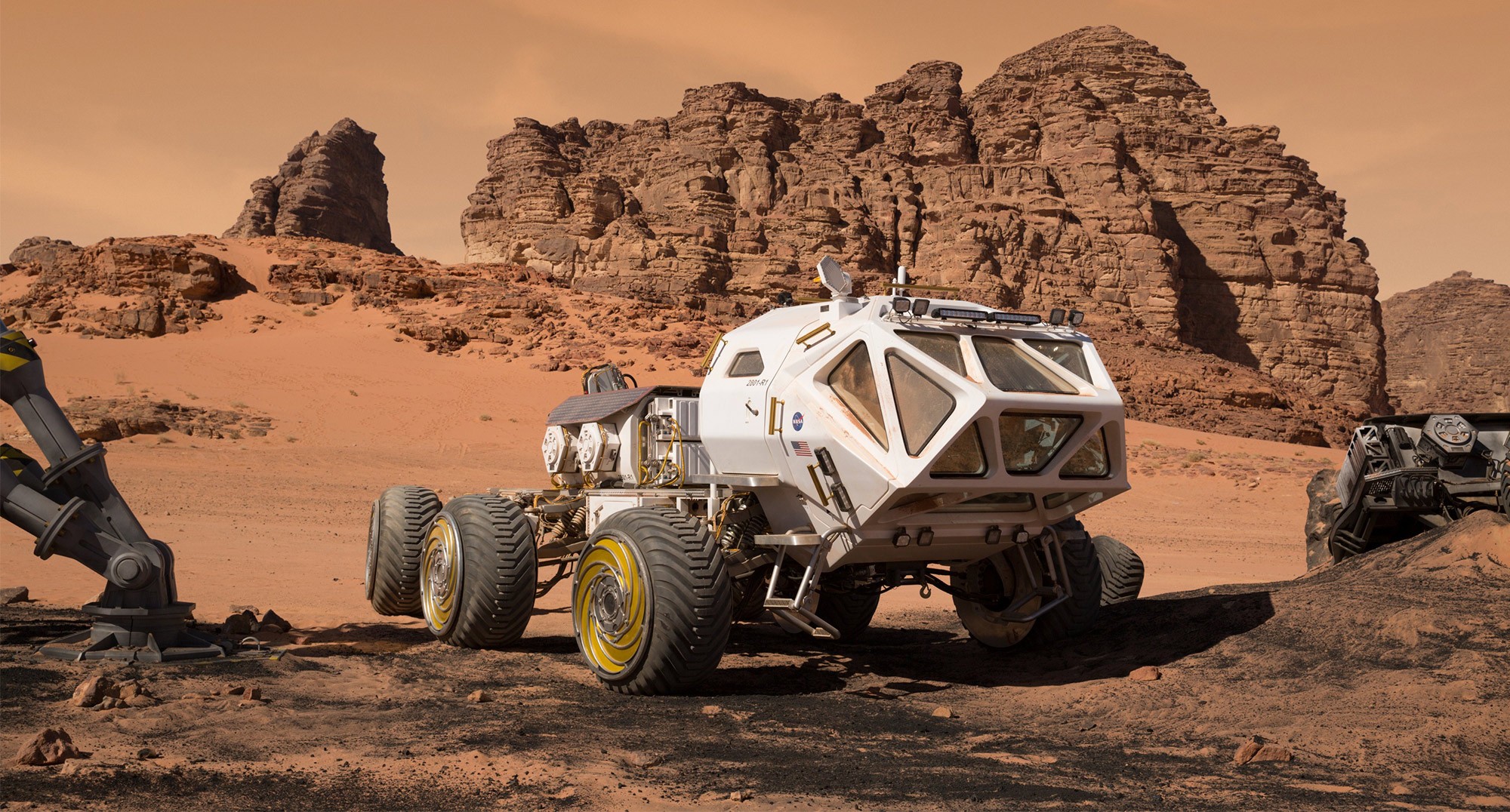 AI Driving on Mars: If you thought Google, Tesla, Uber and its likes are the first ones to break new ground in developing autonomous driving systems, think again. According to Research Technologist Masahiro Ono, autonomous driving is a decade old technology on Mars. AutoNav – the autonomous driving technology behind the wheel of Spirit and Opportunity rovers landed on Mars in 2004. AutoNav also powers Curiosity, the latest rover taking the rounds of rocky, inhospitable Mars terrain. Mar’s surface is rocky and is characterized by sand dunes. Hence, for the spacecraft to operate carefully, AI algorithm have to be mature to meet the standards.
Should there be an AI scientist onboard the Rover? Well, there is already an AI scientist, an algorithm AEGIS (The Autonomous Exploration for Gathering Increased Science) that provides automated data collection for planetary rovers. The AI algorithm that provides automated targeting capabilities uploaded on to Opportunity rover in December 2009. With AEGIS, the rover can intelligently choose targeted areas and offer scientists the ability to move around a planetary surface and explore different areas of interest. Through the data collected via AEGIS, scientific are able to understand Mars’ current and past environment, gather data about Martian winters, the history of rocks and the availability of ist water.
Resilient Spacecraft Executive: There is another research work brewing from the Jet Propulsion Laboratory, Massachusetts Institute of Technology and California Institute of Technology that focuses on developing a risk-aware software architecture for onboard, real-time autonomous operations to handle uncertainty in spacecraft behavior in hazardous and unconstrained environments. The research explores questions such as how can we continue to explore challenging new locations without increasing risk or system complexity? Science objectives would have to be revised on the fly, with new data collection and navigation decisions on short timescales. Spacecrafts will have to adapt to component failures and make risk-aware decisions without getting a go-ahead from ground.
Challenges of implementing AI in space
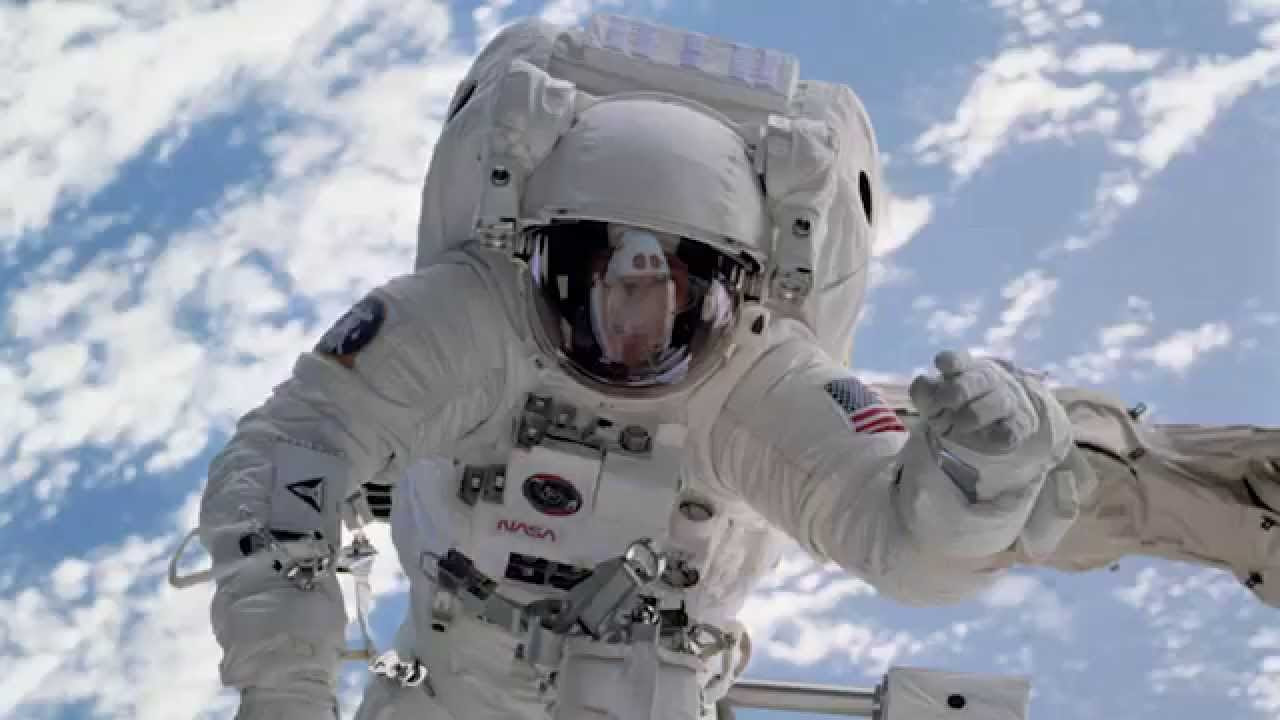 There is no doubt that AI is a key enabler in space exploration. And Mars is not the final destination for space exploration. NASA’s goal is to go beyond Mars to further deep space exploration – the premier space agency has grand plans to explore Jupiter’s moon Europa and other ocean worlds. News reports indicate that NASA plans to send robotic probes to Jupiter’s moon to find out about the icy oceans that lie beneath the surfaces, which many believe could be home to extra-terrestrial life. In an attempt to find out life beyond Earth, NASA is placing its bets on the ocean worlds of the solar system. NASA also plans for achieving a crewed Mars surface mission in the late 2030s.
One of the biggest challenges in AI in space, as research technologist Ono points out is autonomy of AI. Ono reveals in his blog that , any autonomy algorithms on spacecraft are designed very conservatively. Since spacecrafts are operated conservatively, despite the availability of AI, human operators prefer to fly spacecraft manually as much as possible since AI can also make mistakes.

Your reaction
Discussion
What's your take on this story?
No comments yet — be the first to share your view.