Key takeaways
- DeepMind has developed an AI method to control plasmas within nuclear fusion reactors, collaborating with the Swiss Plasma Center.
- The AI manipulates magnetic coils to maintain plasma at extreme temperatures, surpassing those of the sun's core.
- A single neural network can now control multiple coils simultaneously, adjusting electricity supply to the plasma.
- The research aims to advance nuclear fusion technology, potentially leading to a clean and unlimited energy source.
Google’s DeepMind AI team has collaborated with physicists from the Swiss Plasma Center at EPFL in Ecublens, Switzerland to develop an AI method to control the plasmas inside a nuclear fusion reactor. The study, published in the scientific journal Nature, furthers nuclear fusion research and could help quicken the arrival of a cheaper, clean, unlimited source of energy.
DeepMind has now built a neural network using deep reinforcement learning that is able to manipulate the magnetic coils which are essential to confine the soup of plasma at a temperature that is hundreds of millions of degrees Celsius, even hotter than the sun’s core.
“This AI algorithm, the reinforcement learning, chose to use the TCV coils in a completely different way, which still more or less generates the same magnetic field. So it was still creating the same plasma as we had expected, but it just used the magnetic cores in a completely different way because it had complete freedom to explore the whole operational space. So people were looking at these experimental results about how the coil currents evolve and they were pretty surprised,” said EPFL scientist Federico Felici.
The study showed a single neural network can now control all the coils at the same time and independently determine the electricity that must be supplied to the plasma.
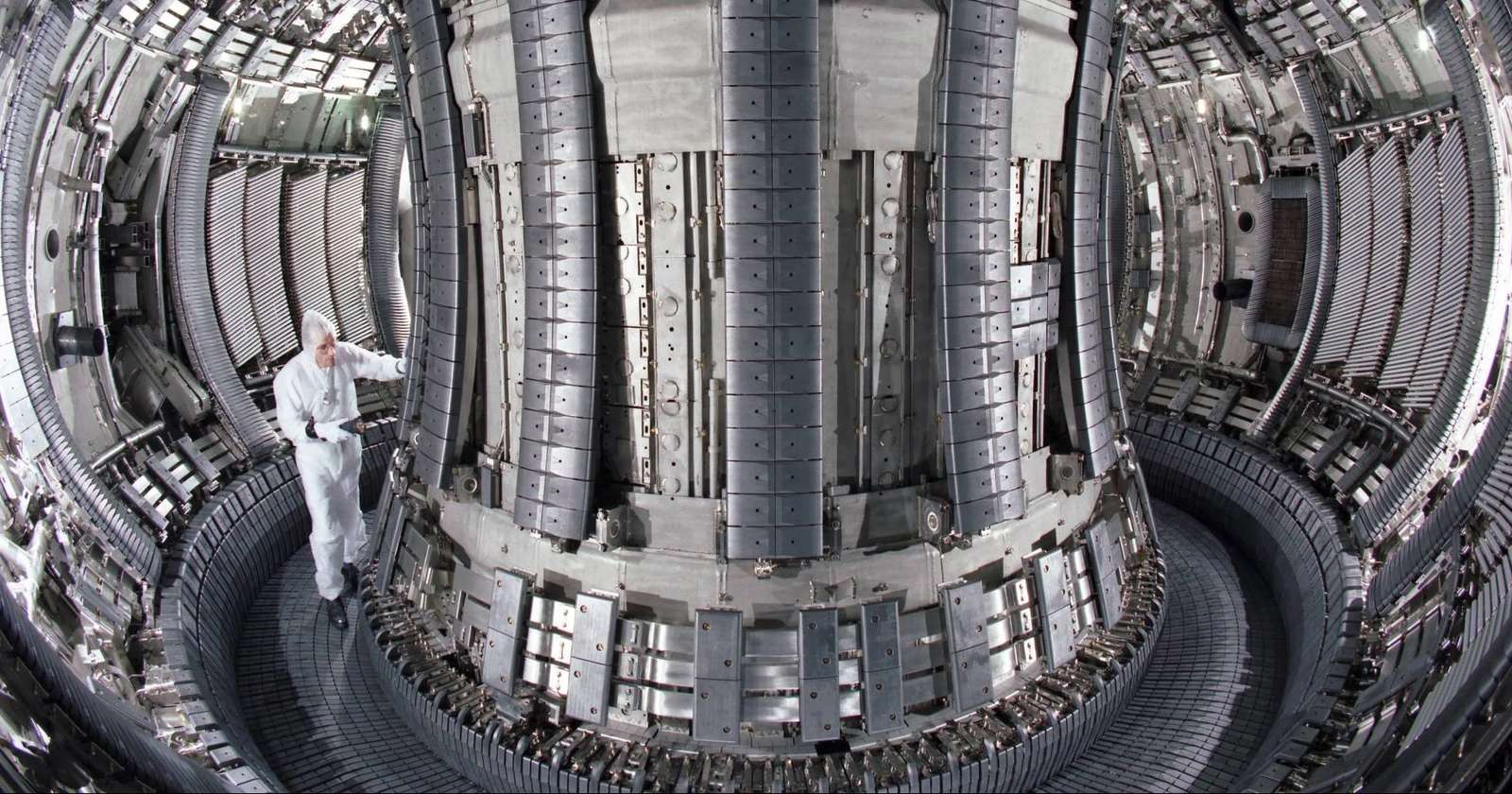
The main challenge of the application was to maintain the high temperature of the plasma within the tokamak vessel. Tokamaks are donut-shaped devices with magnetic field coils that contain the plasma particles inside a reactor. This creates conditions necessary for nuclear fusion. EPFL’s Swiss Plasma Center is one of the few research centers with a functional tokamak. SPC’s tokamak allows for multiple plasma configurations. Earlier, SPC researchers were using 19 magnetic coils each controlled by a different algorithm.
Spotted an error? Tell our editors. Read our editorial standards and corrections.