
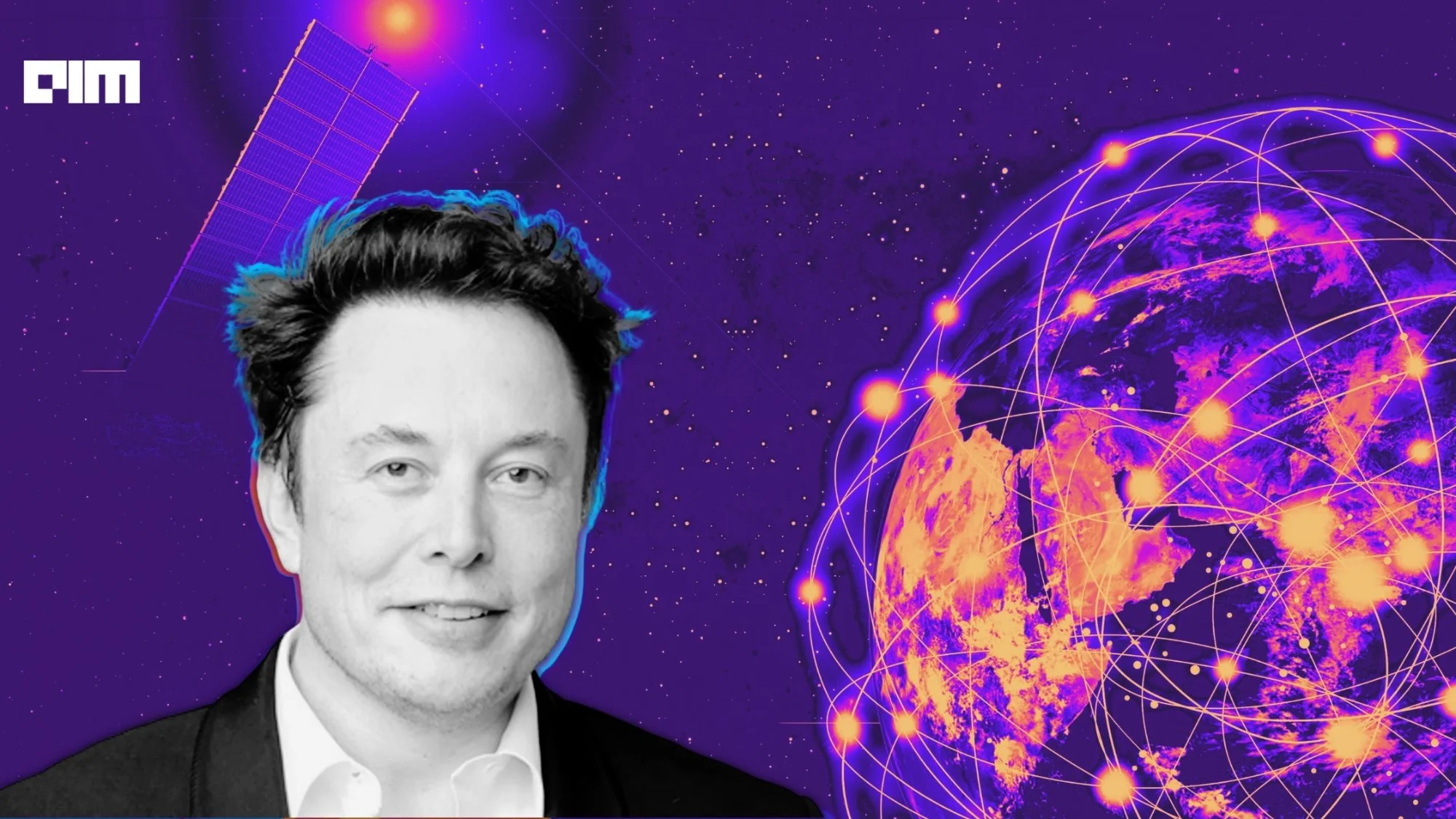
In a significant development that could transform the internet landscape in India, Elon Musk's Starlink project is on the verge of receiving regulatory approval from the Indian government.
Once granted, this approval would make Starlink the third company in India, following Bharti's OneWeb and Jio Satellite, to become eligible for spectrum allocation, paving the way for satellite broadband services in the country.
Starlink, currently offering internet services, including in rural areas, has even grander ambitions. The project plans to launch global mobile phone services as early as next year, positioning itself as a formidable competitor to Jio, one of India's leading telecommunications giants.
Seeking Regulatory Nod
Starlink has reached out to the Telecom Regulatory Authority of India, seeking approvals to employ satellite technology for internet access in remote and underserved regions of the country.
While specific dates and pricing structures are not yet available, this development marks a significant step toward expanding internet connectivity to the farthest corners of India.
Starlink is a project initiated by SpaceX and its goal is nothing short of providing high-speed internet access to any location on the planet through a vast constellation of thousands of satellites. These satellites are launched in groups of 60 and orbit the Earth at a relatively low altitude of about 550 km.
Starlink's overarching objective is to deliver broadband service that is faster, more affordable, and more reliable than existing options. This is especially crucial in rural and remote areas where conventional connectivity remains limited or non-existent.
What sets Starlink apart from traditional satellite internet is its unique operational model. Unlike conventional satellite internet, which relies on a single geostationary satellite positioned at approximately 35,000 km above the Earth's surface, Starlink's satellites operate much closer, around 550 km. This proximity significantly reduces latency and enhances the bandwidth of the connection.
As India anticipates the potential approval of Starlink, the country's internet landscape stands on the brink of transformation. Many in the ecosystem have also hinted that this could be a bundle deal along with Tesla, which has been on the fence for a while now.

Your reaction
Discussion
What's your take on this story?
No comments yet — be the first to share your view.