
With the Center for Brains, Minds and Machines (CBMM) at MIT, Fujitsu Limited has achieved an important milestone in an initiative to improve the accuracy of artificial intelligence (AI) models. It has always been assumed that training the DNN as a single module without splitting it has been the best method to create an AI model with high recognition accuracy. However, researchers at Fujitsu and CBMM have achieved higher recognition accuracy by splitting the DNN into separate modules based on colours, shapes and other attributes of the objects.
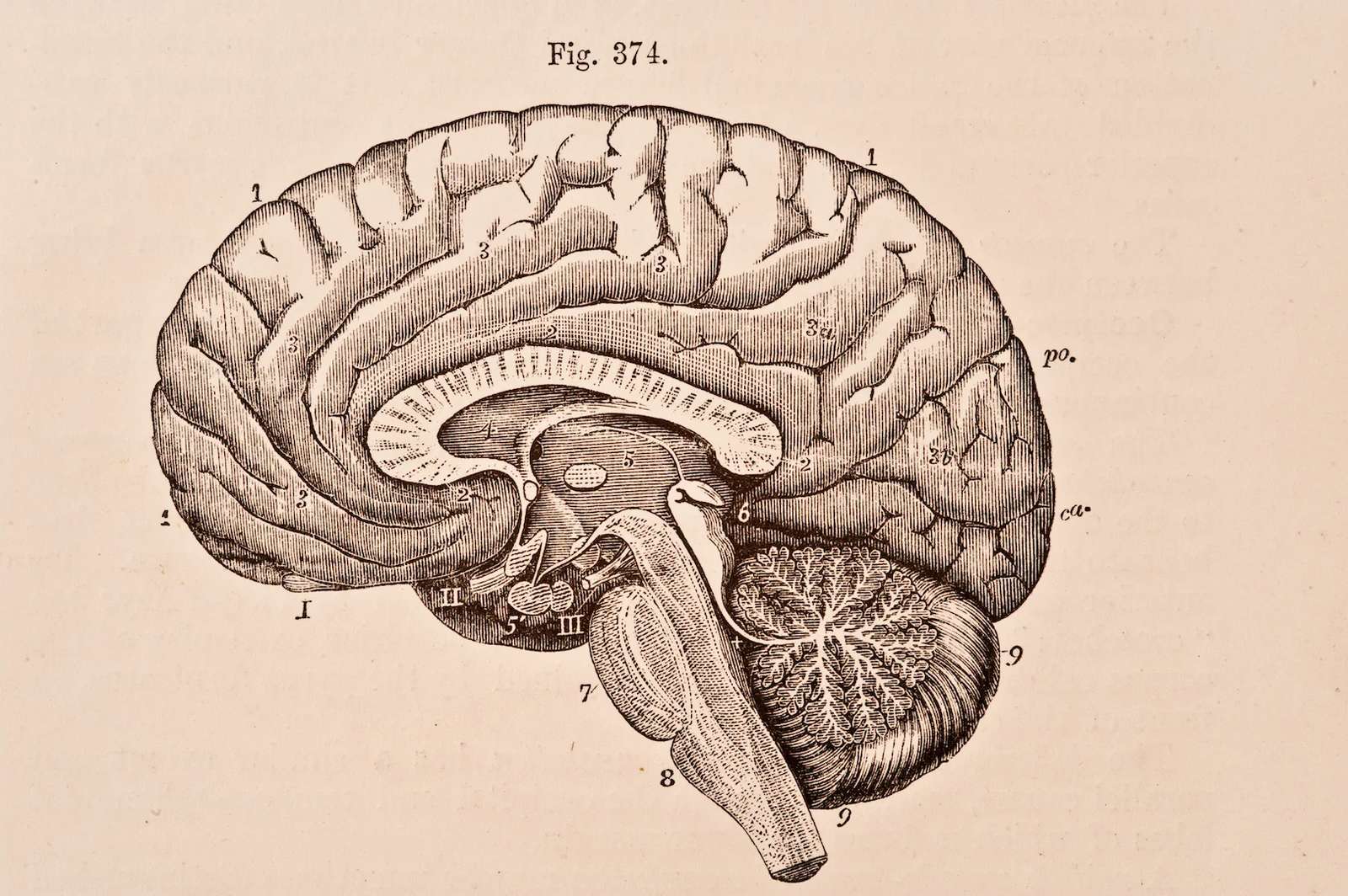
Today, many AI models are developed enough to demonstrate performance equal to or even better than humans, but recognition accuracy deteriorates when environmental conditions like perspective and lighting significantly differ from those in datasets. The researchers at Fujitsu and CBMM made progress in understanding AI principles that enable the recognition of OOD data with high accuracy. This was done by dividing the DNN into modules, which is a unique approach inspired by the cognitive characteristics of the structure of the human brain.
Dr Tomaso Poggio, the Eugene McDermott Professor at the Department of Brain and Cognitive Sciences at MIT and Director of the Center for Brains, Minds and Machines, said, “There is a significant gap between DNNs and humans when evaluated in out-of-distribution conditions, which severely compromises AI applications, especially in terms of their safety and fairness. Research inspired by neuroscience may lead to novel technologies capable of overcoming dataset bias. The results obtained so far in this research program are a good step in this direction.”
An AI model using this process was rated as the most accurate in an evaluation measuring image recognition accuracy against the “CLEVR-CoGenT” benchmark.
The possible future applications of this model may include AI for monitoring traffic as it can better respond to changes in various observation conditions and a diagnostic medical imaging AI which can correctly recognize different types of lesions.
The results of the research will be presented at the Conference on Neural Information Processing Systems, NeurIPS 2021, showing improvements in the accuracy of AI models.
- Deep-Tech and Green Finance to Drive India’s Climate Investments in 2027
- Google’s Project Suncatcher Satellite Generates First AI Response in Orbit
- DeepSeek Proposes Super-Agent Architecture to Automate AI Coding Workflows
- Arrowhead AI Launches Fletch Voice Model for Multilingual Customer Calls
- Amazon Warns Engineers Against AI Productivity Traps in Latest Memo
- Gnani AI Launches Prisma v3.0 Speech Recognition Model for 10 Languages