

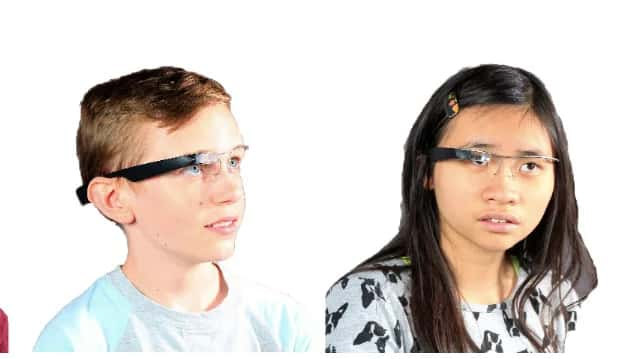
Key takeaways
- Google Glass is finding new applications, particularly in supporting individuals with autism.
- Brain Power is leveraging augmented reality to enhance understanding of social interactions for autistic individuals.
- Autism spectrum disorder presents various challenges, affecting social skills and communication.
- There are approximately 70 million individuals with autism worldwide, highlighting a significant need for supportive technologies.
- Customised applications for Google Glass can be developed to cater to the needs of autistic individuals in diverse regions, including India.
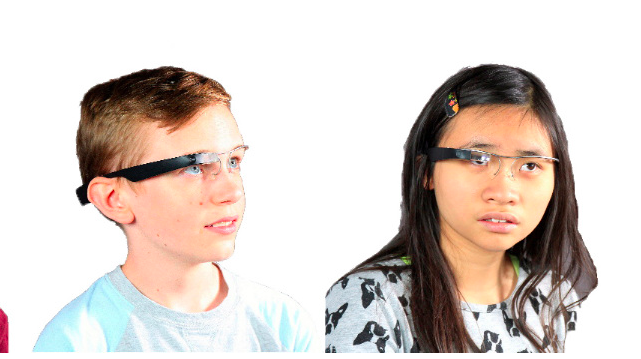
Brain Power, a US-based company has been working with AR-based devices to help persons with autism gain a deeper understanding of the world around them.Autism, or autism spectrum disorder, is a condition characterised when persons are faced with challenges in social skills, repetitive behaviours, speech and nonverbal communication. There is not one autism but many types of autism, caused by different combinations of genetic and environmental influences. Reports have suggested that there are about 70 million people with autism across the globe — including over 10 million in India. Dr Ned Sahin, Founder and CEO of Brain Power, told a newswire, "We need families and schools to support the first wave of technology for autism and special school communities... We can customise our Google Glass-based applications for autistic people in India." This is how Brain Power uses Google Glass to help persons with Autism:
- The child or adult wears light, computerised glasses and sees and hears special feedback geared to the situation.
- For instance, digital coaching on facial expressions of emotions, when to look at people, feedback on the user’s own state of stress or anxiety.
- Brain Power's wearable system named 'Empower Me' gives an augmented-reality experience, which shows autistic users expressions such as love.
- Meanwhile, they get points and rewards for learning the social-emotional as well as cognitive skills they want.
Spotted an error? Tell our editors. Read our editorial standards and corrections.
