Key takeaways
- Google partners with MediaTek for next-generation Tensor Processing Units (TPUs), shifting from Broadcom.
- MediaTek's collaboration with TSMC aims to improve cost leverage in chip production for Google.
- Google will primarily design TPUs while MediaTek focuses on input and output modules.
- Despite the shift, Google maintains ties with Broadcom for TPU supply continuity.
- Google's TPU investments range between $6 billion and $9 billion, emphasizing their significance in AI.
Google is set to partner with Taiwanese chip maker MediaTek for the next version of its Tensor Processing Units (TPUs), reported The Information on Monday. This marks a significant shift as Google has relied on Broadcom as the primary supplier of TPUs for nearly a decade.
However, it was also reported that Google has not cut ties with Broadcom despite the new development. Google’s decision comes against the backdrop of MediaTek’s ties with TSMC. The AI giant is looking to have cost leverage over chip production, the report said.
Furthermore, Google is likely to handle the design of the TPU for the most part, while MediaTek will handle the input and output modules. This approach differs from Google’s collaboration with Broadcom, which developed the core parts of the TPU chips, according to sources cited by The Information.
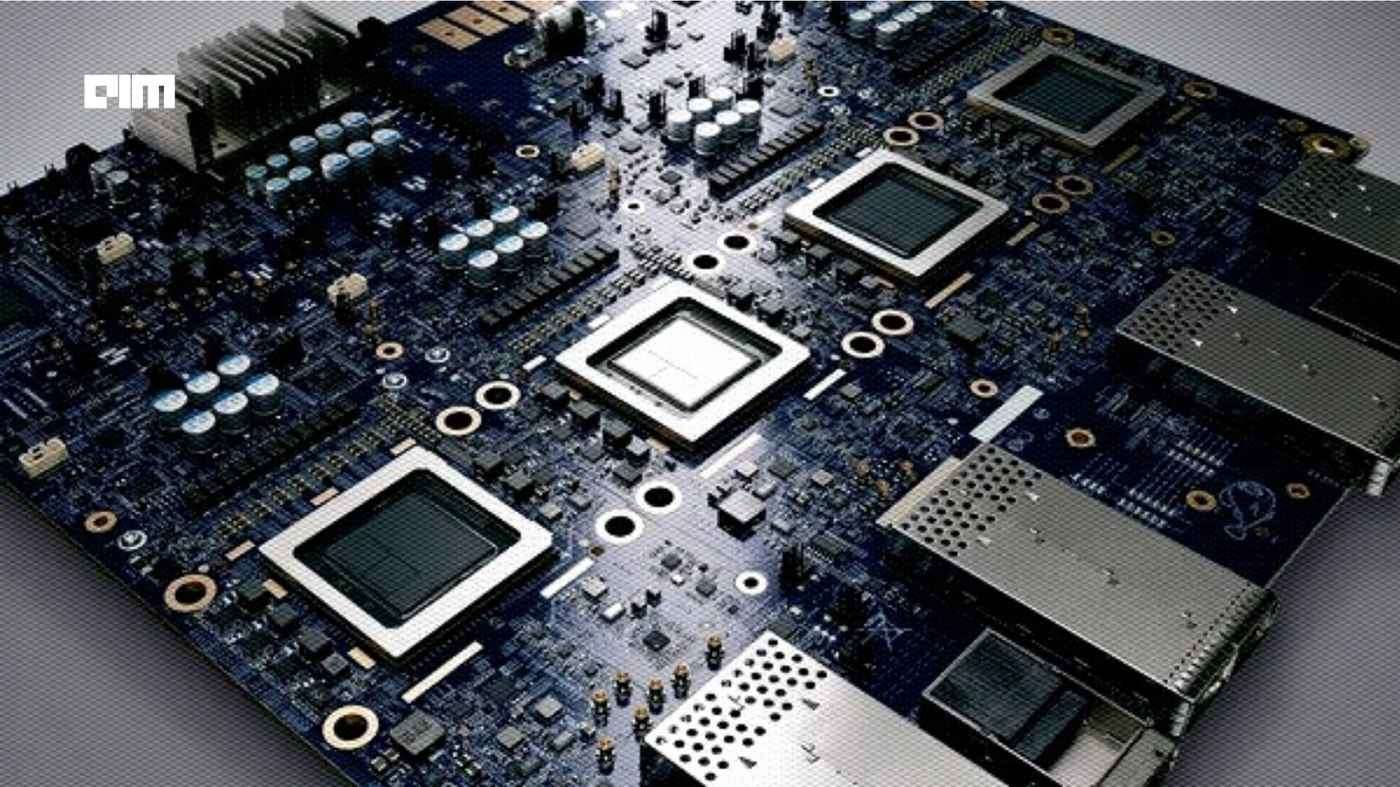
Google’s TPUs are custom-designed chips built to accelerate machine learning workloads across various platforms, from large-scale data centres and individual edge devices alongside cloud-based systems. TPUs power Google’s leading AI models, applications and services.
In 2023, The Information also reported that Google’s executives ‘extensively discussed dropping Broadcomm’ as the supplier of TPUs as early as 2027.
According to a report from Omdia last year, Google spent $6 billion to $9 billion on TPUs. The company announced its sixth generation of the TPU – Trillium in 2024. Compared to its predecessor, Trillium delivers a four-fold performance improvement. Further, it also provides a 67% increase in energy efficiency and a three-fold increase in inference throughput.
In January, an industry analyst pegged the value of a ‘potential stand-alone TPU business’ to be over $700 billion.
Google’s TPUs have been an alternative to several companies over the chips sold by NVIDIA. Last year, it was also reported that Apple employed Google’s TPU clusters to train its foundational models.
Spotted an error? Tell our editors. Read our editorial standards and corrections.