
OpenAI’s CEO Sam Altman said recently that its much-anticipated GPT-4 model would be launched only when they’re sure they can release it safely and responsibly.
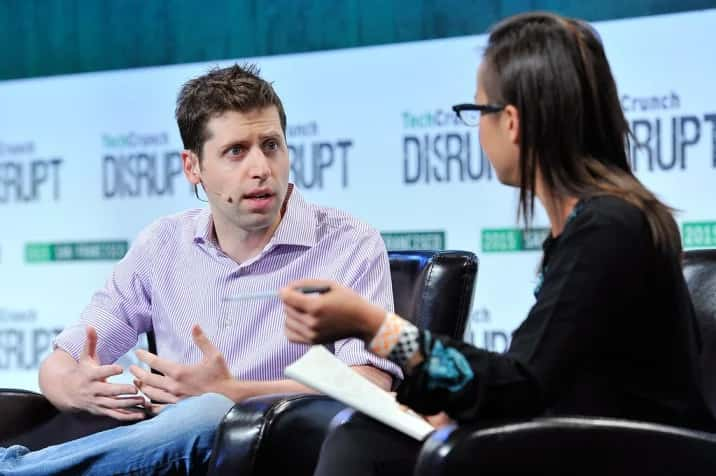
In a conversation with TechCrunch’s Connie Loizos, Altman said, “In general, we are going to release technology much more slowly than people would like,” further adding that they’re going to sit on it much longer.
Altman’s statement comes at a time when issues are raised on ChatGPT (running on GPT-3.5) over the credibility of the output it generates and the misinformation it spreads. Additionally, being a ‘chatbot’, it shows zero emotional quotient—often, it fails miserably in understanding the context of a user query and blurts out unrelated answers.
The company recently released a study demonstrating that while there is no magical-all-fix-solution to the problem, some social mitigations and technical breakthroughs can hold the situation. However, it is important to note that before this, OpenAI was less cautious ahead of the release of any of its previous GPT models. So one wonders if this is the real reason.
Alternatively, a concern could also be the “eye-watering” computational cost of running these models, as it has been indicated to have a huge bearing on the company. And the proposed trillion parameter models will do even more so. Therefore, who will bear the cost of GPT-4, and if such computational energy is even possible with Microsoft’s existing infrastructure, is still to be known.
Besides this, Altman also gave a preview of what OpenAI is working on—one of which is a text-to-video model that can generate videos based on a textual prompt. Text-to-video models have been created before by companies like Google and Meta, who haven’t released them yet for public use. So, 2023 will be an interesting year to see if these big-tech companies stand up to Microsoft-backed OpenAI, which is daring to bring these new and advanced models out for training in public.
- Amazon Warns Engineers Against AI Productivity Traps in Latest Memo
- Gnani AI Launches Prisma v3.0 Speech Recognition Model for 10 Languages
- Venttup Raises $3 Million To Expand Precision Manufacturing
- Articul8 Launches Bivia To Help Enterprise AI Agents Make Decisions
- NVIDIA Launches Open-Weight Transcription Model for 40 Languages
- Sarvam AI Rolls Out Indus Cowork to 2,500 Maharashtra Govt Officials