
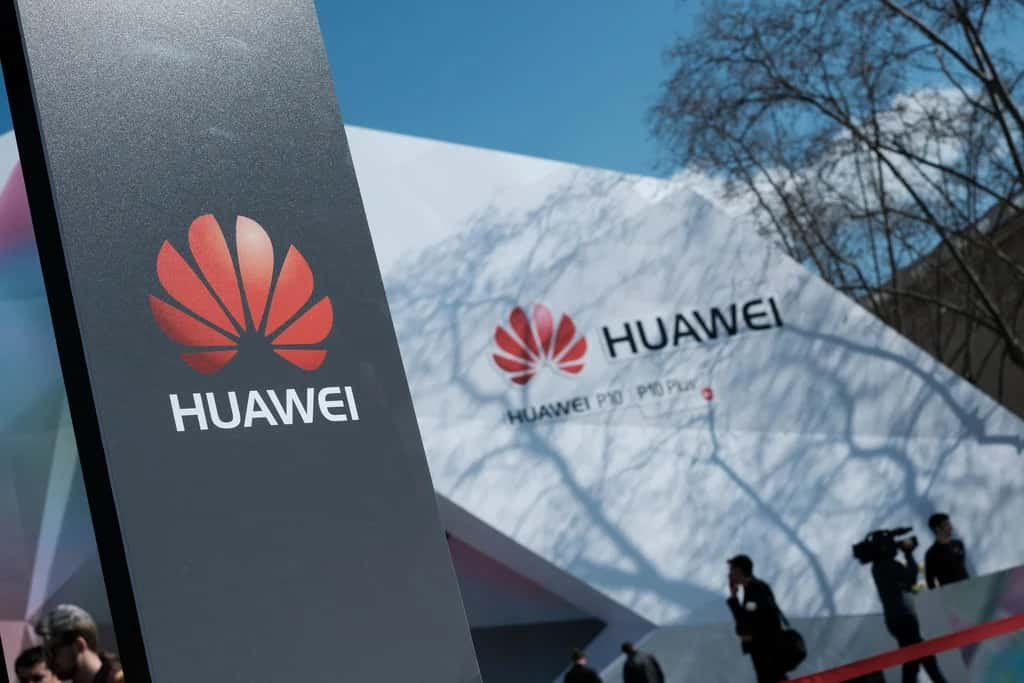
Huawei is preparing to test its new AI chip, the Ascend 910D, in China by reaching out to various tech companies, The Wall Street Journal reported. The move comes as Huawei seeks to replace some of NVIDIA’s high-end processors following Washington’s tightening of semiconductor export restrictions to China.
The Ascend 910D is set for initial sample delivery by late May, and Huawei has already approached several Chinese tech companies to assess the chip’s technical feasibility. The tests will determine if the new chip can match or outperform NVIDIA’s H100, a key processor for AI development.
Huawei’s efforts underline Beijing’s push for a self-sufficient semiconductor industry. This comes shortly after reports claiming that Huawei is preparing to ship its Ascend 910C AI chips amid US restrictions.
The company’s chip development remains in its early stages and will require a series of technical evaluations before it can be deployed to customers. The new chip is part of Huawei’s broader strategy to fortify China’s AI and semiconductor industries after being placed on a US trade blacklist nearly six years ago.
The company has already shipped more than 8,00,000 units of its Ascend 910B and 910C chips to clients this year. This includes state-owned telecommunications carriers and private AI developers such as ByteDance, the Chinese tech company that owns TikTok.
Washington’s recent move to restrict sales of NVIDIA’s H20 chip has created opportunities for domestic competitors. NVIDIA also announced in an exchange filing that the US government has potentially charged it $5.5 billion for exporting H20 AI chips to China, one of its key markets, without a license.
Despite manufacturing difficulties, Chinese firms, including Huawei, have been able to develop AI chips comparable to those of NVIDIA, although there is a performance lag of several years.
Facing challenges such as limited access to TSMC and restricted availability of high-end components, Huawei has shifted its focus toward building systems that connect multiple chips.
- Coforge Revenue Rises 54% as AI Engineering and Deal Bookings Gain Momentum
- Tech Mahindra Partners With SpaceXSI to Bring AI Into Software Engineering
- Infosys AI Revenue Rises 29% in Q2, FY27 Growth Guidance Cut
- LTM Launches BlueVerse Industrial AI Lab in Chennai
- Chariot Launches Speech Recognition Model for 10 Indian Languages
- Meta Expects Up To $145 Billion In Capex As AI Investments Expand