Key takeaways
- IIT Kharagpur has created a no-code 360-degree VR platform to enhance interaction between teachers and students.
- The platform aims to eliminate teachers' dependence on others for creating immersive educational content.
- It allows educators to easily incorporate audio, quizzes, and gaming elements into lessons without any coding experience.
- The open-source platform is designed to work on all Android devices and is accessible for both urban and rural students.
- The initiative was inspired by the challenges of online learning during the pandemic, highlighting the need for more engaging educational tools.
IIT Kharagpur researchers have developed a 360-degree VR platform for educators to bridge the gap between teachers and students. "We want to redefine the dependence of teachers on others to develop immersive content,” Kaushal Kumar Bhagat, assistant professor at the Indian Institute of Technology, Kharagpur, said.
During the pandemic, Bhagat and a team of researchers became acutely aware of the lack of interaction in online classes. This gave them the idea of developing a no-code 360 degree VR platform for teachers.
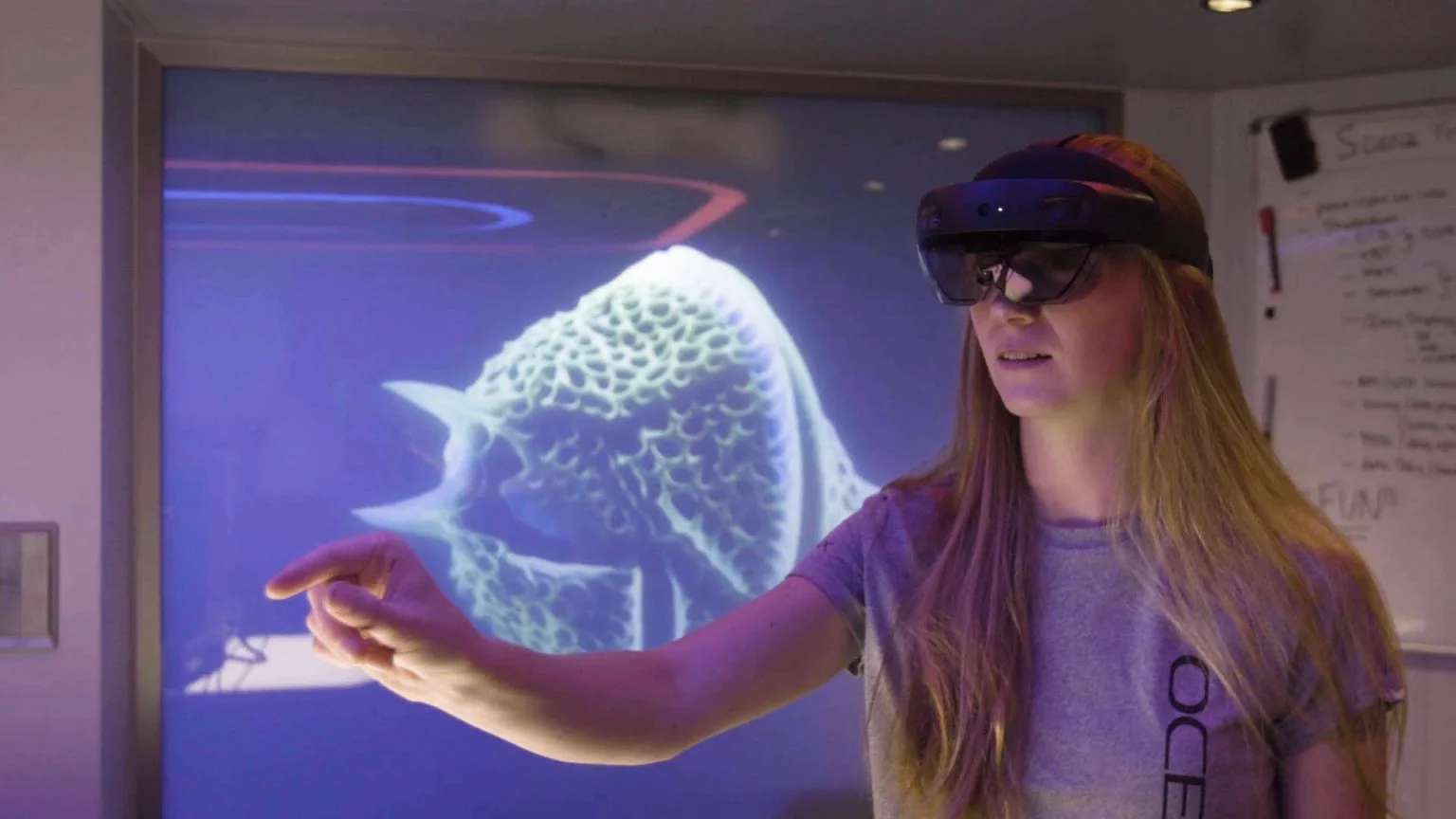
Bhagat believes that VR can potentially make learning more interactive and engaging through computer-generated graphics in a three-dimensional environment, easing complexities. It took almost 18 months to develop an open-source 360-degree VR platform for educators, explains Bhagat. Moreover, it does not require any prior coding experience.
Teachers can freely add audio, create quizzes and bring in gaming elements to make the lessons interesting. It does not require additional skills. The researchers said all they need is to shoot photos in 360-degree, follow the instructions, and create a lesson ready to be experienced in VR.
This VR platform works on all Android devices. As to how immersive the experience would be, depends also on the type of the VR headset used by the students. The key idea is to make it reachable to every student in urban and rural India, the team of researchers affirmed.
Spotted an error? Tell our editors. Read our editorial standards and corrections.