
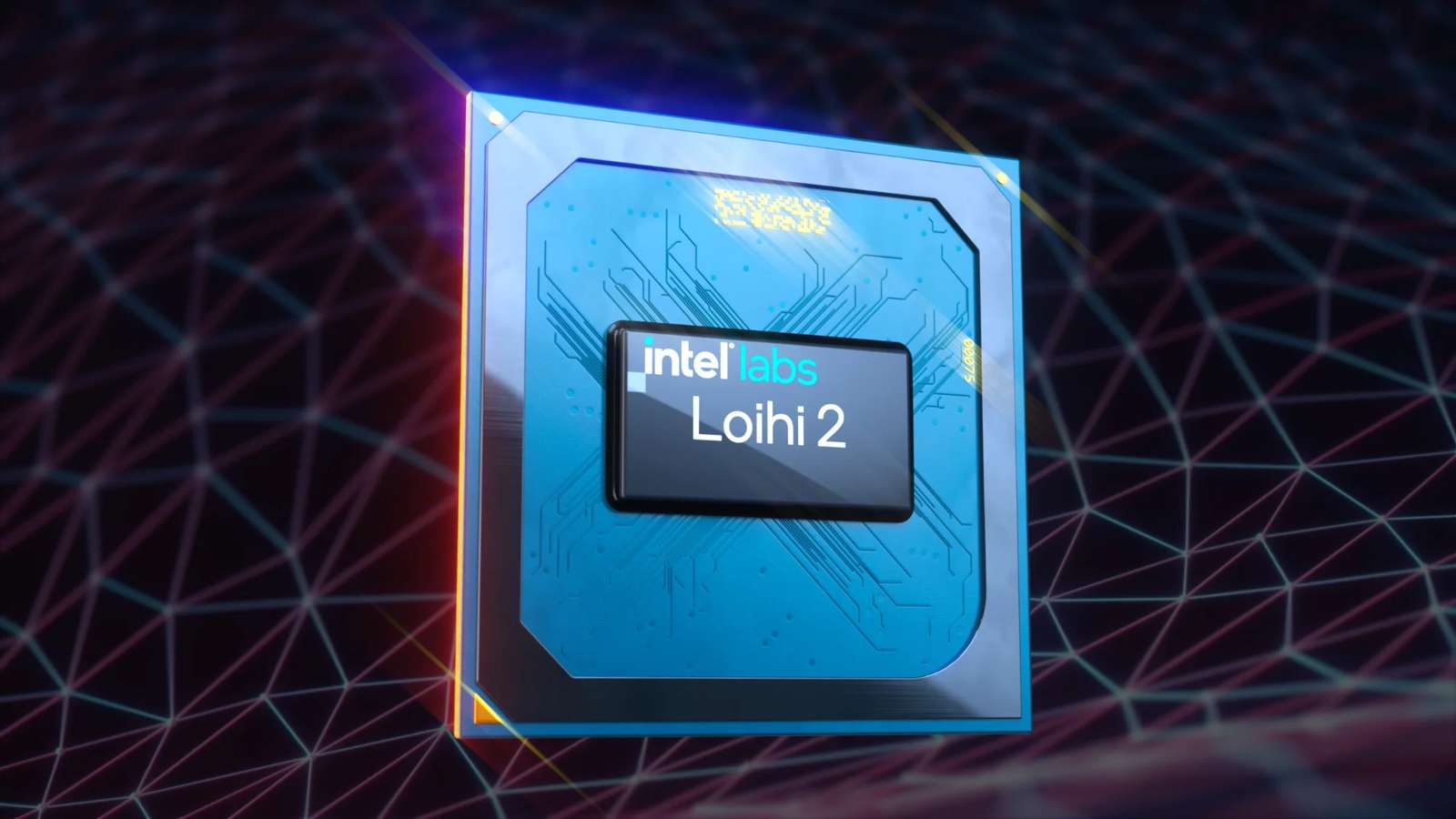
Intel recently introduced its second-generation neuromorphic research chip Loihi 2 and Lava, an open-source software framework for developing neuro-inspired applications and computing. Four years after the introduction of Loihi, Intel’s first neuromorphic chip, the company is introducing its successor. Intel signals its ongoing progress in advancing neuromorphic technology by introducing its latest developments.
Neuromorphic chips work to directly mimic neurological systems through the use of computational “neurons'' that communicate with one another. The Loihi has been packed into increasingly large systems, learned to touch and even been taught to smell.
According to Intel, the second-generation chip will provide faster processing, higher resource density and greater energy efficiency. The new architecture supports newer classes of neuro-inspired algorithms and applications while providing up to 10 times faster processing, up to 15 times greater resource density with up to 1 million neurons per chip, and improved energy efficiency.
“Loihi 2 and Lava harvest insights from several years of collaborative research using Loihi. Our second-generation chip greatly improves the speed, programmability, and capacity of neuromorphic processing, broadening its usages in power and latency constrained intelligent computing applications. We are open-sourcing Lava to address the need for software convergence, benchmarking, and cross-platform collaboration in the field, and to accelerate our progress toward commercial viability,” said Mike Davies, director of Intel’s Neuromorphic Computing Lab.
Benefitting from a close collaboration with Intel’s Technology Development Group, Loihi 2 has been fabricated with a pre-production version of the Intel 4 process, which underscores the health and progress of Intel 4.
The Lava software framework addresses the need for a common software framework in the neuromorphic research community. As an open, modular, and extensible framework, Lava will allow researchers and application developers to build on each other’s progress and converge on a common set of tools, methods, and libraries.
Loihi 2 addresses a practical limitation of Loihi by incorporating faster, more flexible, and more standard input-output interfaces. Loihi 2 chips will support Ethernet interfaces, glueless integration with a wider range of event-based vision sensors, and larger meshed networks of Loihi 2 chips.
- Coforge Launches BridgeCX With Pega, Mastercard for Customer Personalisation
- HCLTech Launches AI Agents to Support Mainframe Operations
- MIT Researchers Show LLMs Can Read and Edit Neural Network Weights Without Retraining
- Anthropic Posts $17 Bn in Q3 Revenue, Swings to Operating Loss
- OpenAI Signs Four Agreements With Abu Dhabi Across Government, Energy And Investment
- Deep-Tech and Green Finance to Drive India’s Climate Investments in 2027