
NVIDIA has introduced fVDB, a cutting-edge deep-learning framework designed to create AI-ready virtual representations of the real world. Unveiled at SIGGRAPH, fVDB builds upon the OpenVDB library, a standard for simulating and rendering sparse volumetric data like smoke, clouds, and fire.
This innovation aims to advance spatial intelligence in generative AI, crucial for autonomous vehicles and robots operating in 3D environments.
Advancing 3D Simulations and Training
NVIDIA chief Jensen Huang had mentioned in an earlier interview that someday, every single car will have autonomous capabilities, and interestingly, the company is coming up with developments to accelerate the AV race.
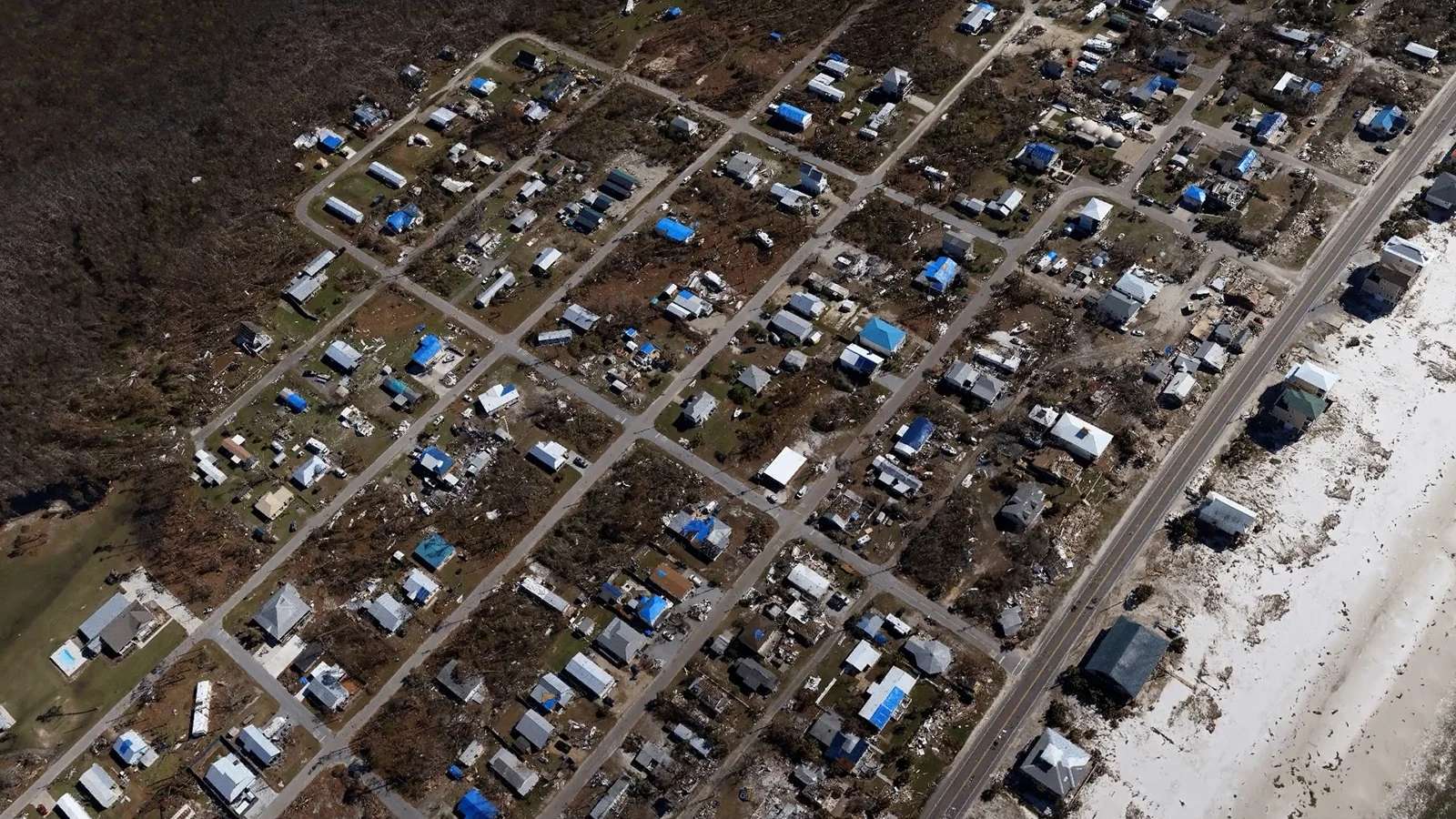
fVDB addresses the challenges of converting real-world data into virtual environments. It leverages techniques such as neural radiance fields (NeRFs) and lidar to generate massive, real-time rendered environments that are essential for training AI systems.
This framework represents a major leap forward from previous models, enhancing industries' ability to utilize digital twins and high-resolution virtual spaces for various applications, including urban planning and climate science.
The fVDB framework introduces several significant advancements, including support for spatial scales up to 4x larger than previous models, a 3.5x increase in performance speed, and enhanced interoperability that allows seamless integration of extensive real-world datasets into full-sized 3D environments.
It also features 10x more operators than earlier frameworks, combining previously separate functionalities into a unified system.
fVDB will soon be available through NVIDIA NIM inference microservices, such as fVDB Mesh Generation NIM for creating 3D environments, fVDB NeRF-XL NIM for generating large-scale NeRFs in OpenUSD, and fVDB Physics Super-Res NIM for high-resolution physics simulations.
NVIDIA’s ongoing efforts with OpenVDB, including the introduction of NanoVDB and NeuralVDB, have already set industry standards for high-speed, real-time simulations and extensive dataset handling. With fVDB, NVIDIA continues to push the boundaries of 3D deep learning, expanding the applications of virtual environments across various domains
- In a Stunning Fall, Jensen Huang Resigns as NVIDIA Chief After 33 Years
- Space Tech Startup Astrome Bags ₹64 Cr RDI Fund for AI Satellite Network
- Siemens Wants to Continue NVIDIA Partnership Even If Jensen Huang is Ousted
- LTM Integrates AI Tool to Fix Quantum Computing Errors on IBM
- Chariot Launches Multilingual TTS Model with Support for 11 Indian Languages
- Lenovo Unveils New AI, HPC Servers With AMD’s 6th Gen EPYC Processors