Key takeaways
- SEBI has developed an AI system named PINAKA to enhance its surveillance of stock recommendations on television.
- PINAKA will assist in identifying misconduct such as front running and insider trading in the securities market.
- The system processes data from televised stock tips and compares it with analysts' trading patterns.
- SEBI aims to leverage AI and machine learning to improve market vigilance and tackle fraudulent activities.
- This initiative aligns with SEBI's broader strategy to enhance its technology for effective market regulation.
Market regulator Securities and Exchange Board of India (SEBI) has enhanced its technology over the past few years to improve market vigilance and policymaking. Recently, it also showed interest in a system followed by Las Vegas casinos to keep high-risk gamblers away who place erratic bets.
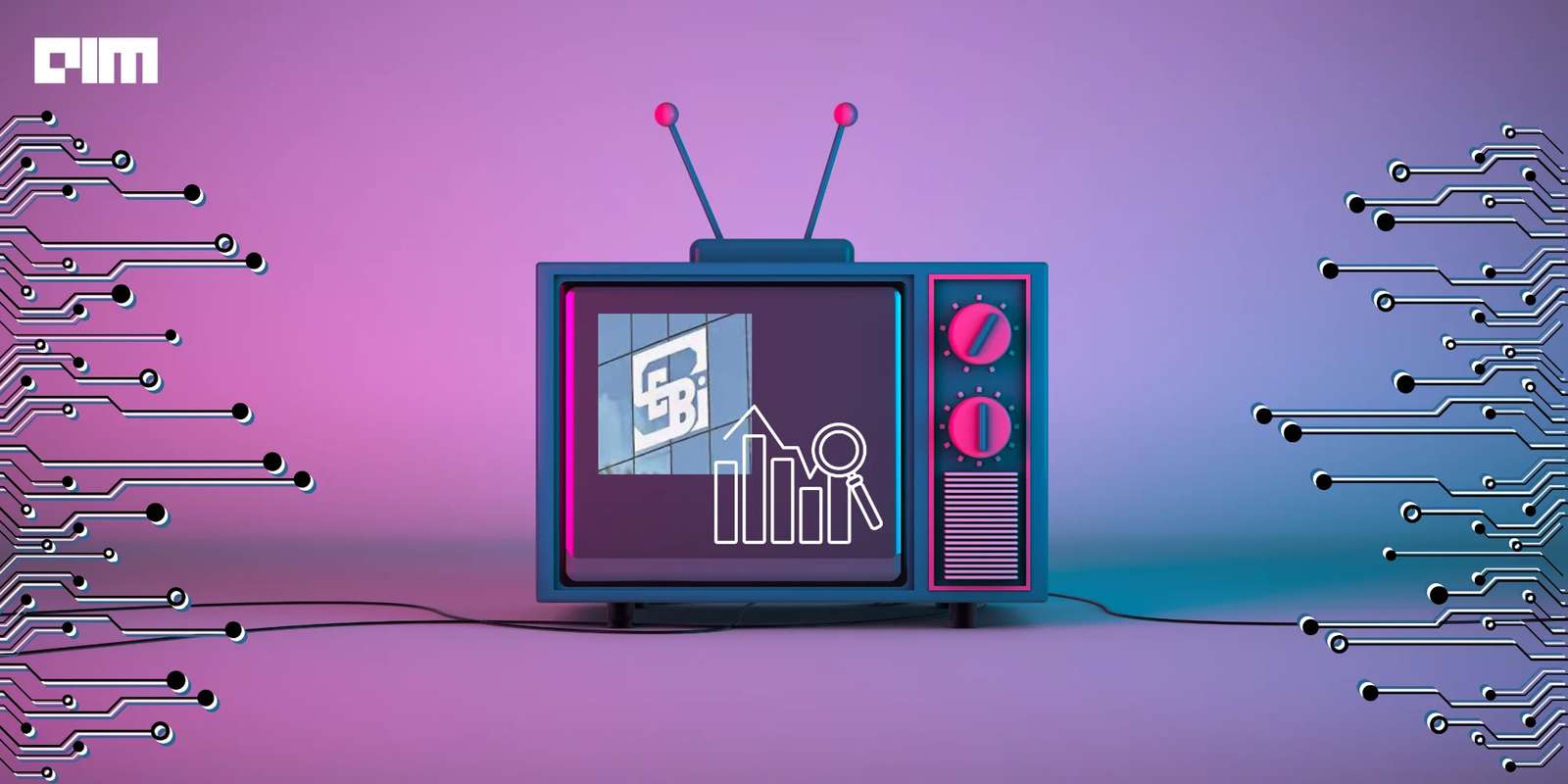
An important step in strengthening its surveillance over stock recommendations that are aired on all major business television channels, SEBI has created an artificial intelligence backed system called PINAKA (picture based information news accumulator and key information analyser) to scan the suggestions and condense them into a database.
SEBI Database
The SEBI database will be incorporated into conducting thorough surveillance for securities market wrongdoings like front running and insider trading.
TV channels generally display suggestions, including price recommendations, made by an internal or external analyst.
How PINAKA works?
PINAKA checks each frame and processes the extracted data of recommendations in a standard format. It is then compared with the analyst’s trading pattern.
Conclusion
SEBI plans to make complete use of AI and machine learning to curb fraudulent activities. It strives to implement analytics based on unstructured data on its Data Lake platform. PINAKA is a step towards this aim. The annual 2020-21 report of SEBI stated that it would administer major IT projects that are important to its daily operations and mandate.
Spotted an error? Tell our editors. Read our editorial standards and corrections.