Key takeaways
- Texas Instruments powers the NISAR satellite with advanced radiation-hardened semiconductors for space applications.
- NISAR aims to monitor ecosystems, natural hazards, and climate change using dual-band synthetic aperture radar technology.
- The satellite will capture high-resolution images of Earth every 12 days, enhancing disaster monitoring capabilities.
- TI's semiconductors optimize performance in extreme conditions, ensuring reliability for critical space missions.
- Collaboration with ISRO reflects TI's 60 years of expertise in meeting evolving space market demands.
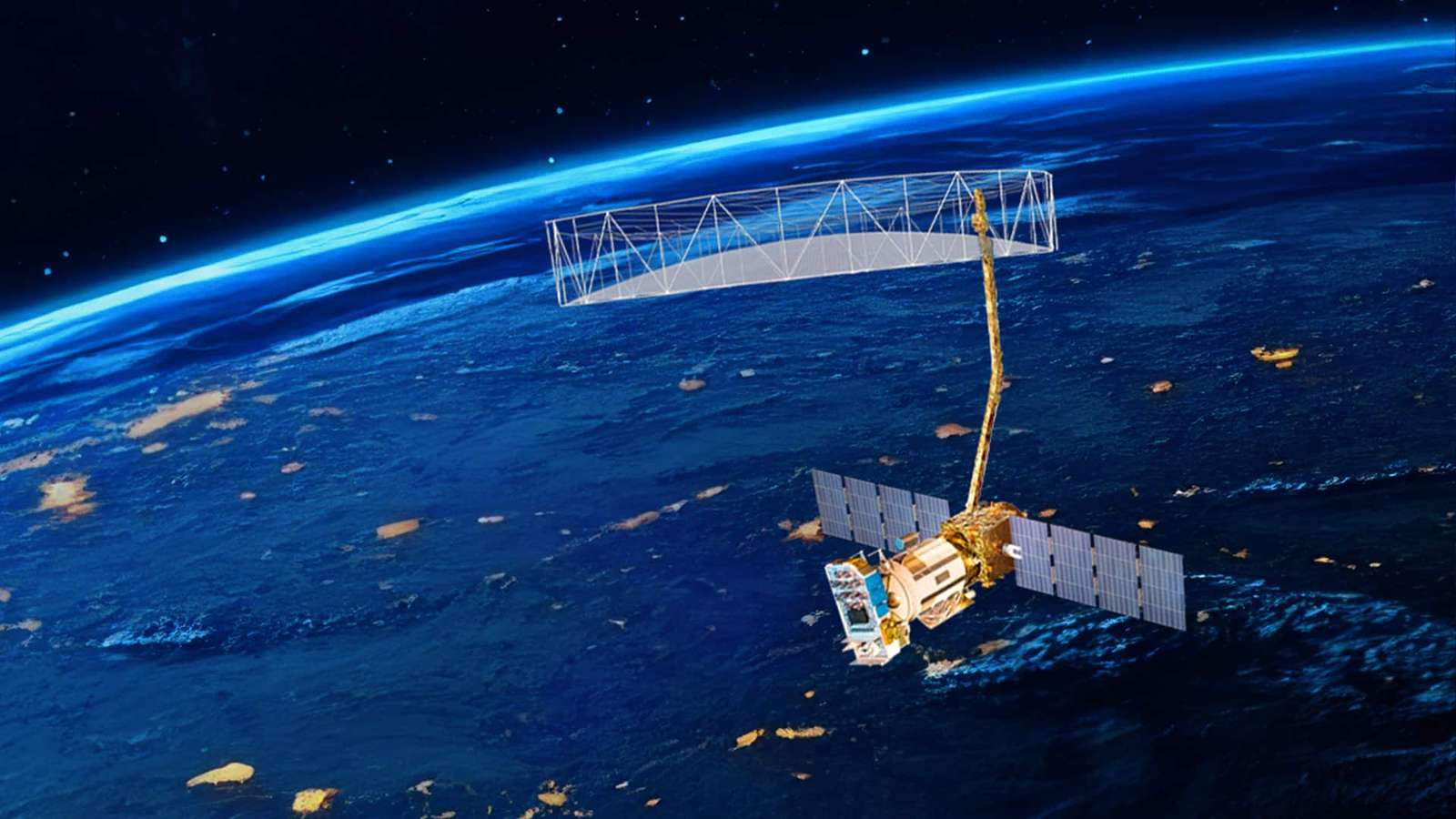
Texas Instruments (TI) semiconductors announced that it is enabling the radar imaging and scientific exploration payloads for the NASA- ISRO synthetic aperture radar (NISAR) satellite, which was recently launched into orbit.
The mission aims to provide high-resolution radar images for monitoring ecosystems, natural hazards and climate change.
NISAR is the first Earth-observation satellite to use dual-band synthetic aperture radar technology. The system will image the planet every 12 days, giving data on ice mass, vegetation biomass, sea-level rise and groundwater levels. It is also expected to enhance monitoring of earthquakes, tsunamis, volcanoes and landslides.
Reflecting on the collaboration, Elizabeth Jansen, TI India’s sales and applications director, said, “Building on more than 60 years of expertise, TI’s radiation-hardened and radiation-tolerant semiconductors are ready to meet the evolving demands of the space market.”
The Technology Behind
TI supplied radiation-hardened and tolerant semiconductors for the satellite payload. These components optimise power density, precision and performance in extreme space conditions. The technologies include power management systems, high-speed data transfer interfaces, analogue-to-digital converters and precision clocking solutions.
“From selecting the right products to ensuring consistent support across development cycles, TI’s technical expertise helped us navigate complex payload requirements,” said Nilesh Desai, director for Space Applications Centre at ISRO.
The NISAR project marks over ten years of collaboration between TI and ISRO. “A deeply coupled partnership, specifically focused on high-impact mixed signal and analogue semiconductors, enabled ISRO to meet the system-level requirements for a satellite in low Earth orbit,” Desai added.
Spotted an error? Tell our editors. Read our editorial standards and corrections.