Key takeaways
- ISRO and NASA successfully launched the NISAR satellite, enhancing global Earth observation capabilities.
- The GSLV-F16 rocket completed its 18th flight, marking ISRO's 102nd launch mission.
- NISAR will monitor climate change and assist in natural disaster management worldwide.
- Satellite provides centimetre-level precision for tracking agricultural biomass and ground shifts.
- Successful deployment demonstrates significant progress in international space cooperation.
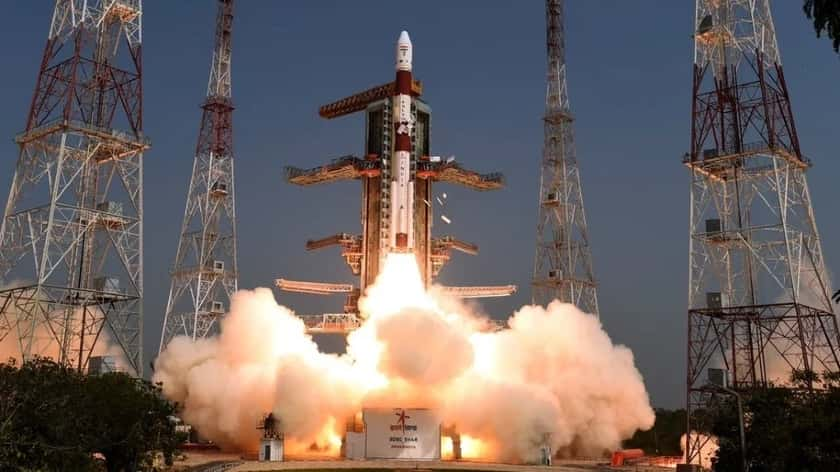
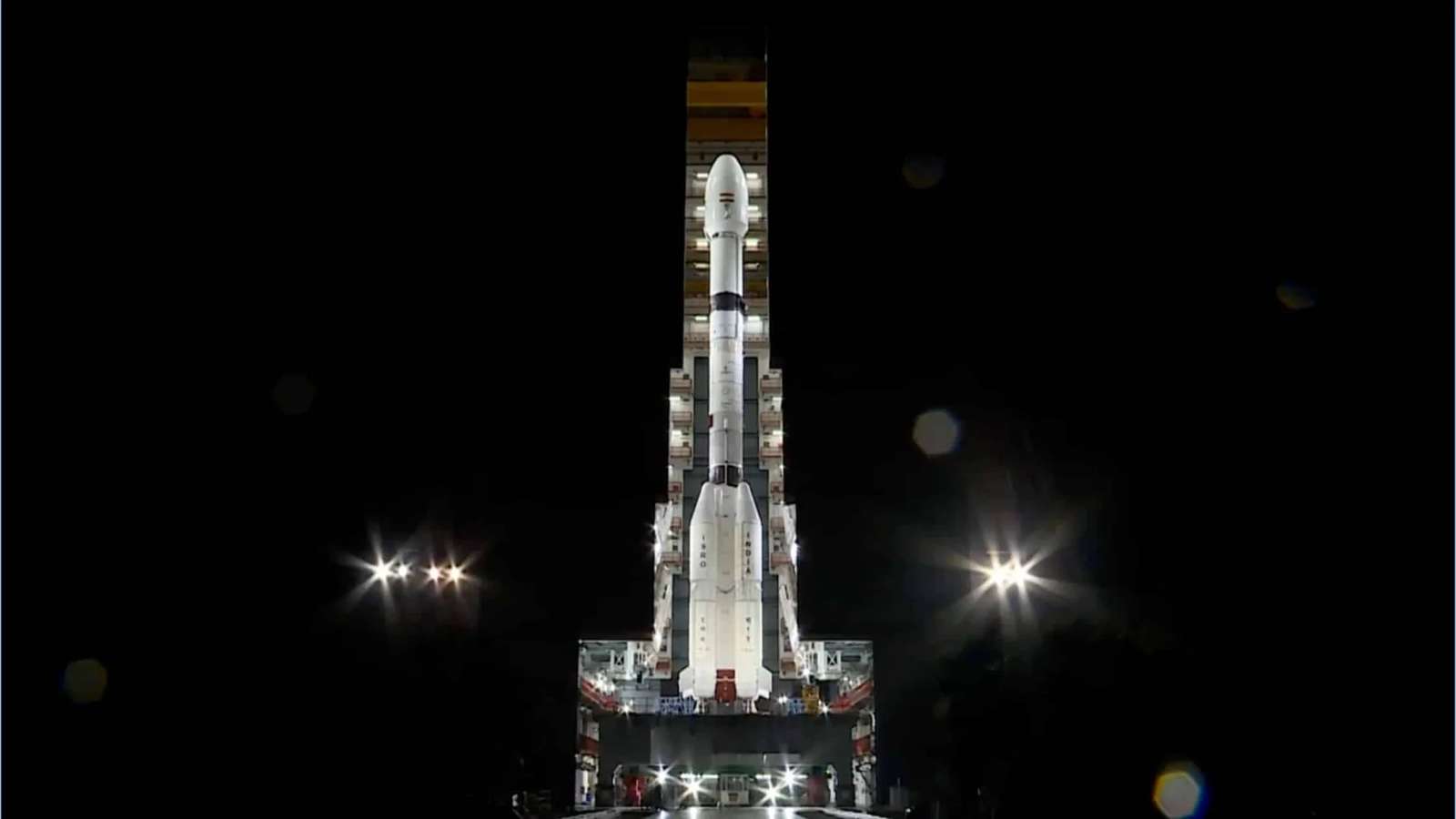
The joint satellite built by the Indian Space Research Organisation (ISRO) and the National Aeronautics and Space Administration (NASA) has been successfully launched from the Sriharikota launch site in Andhra Pradesh.
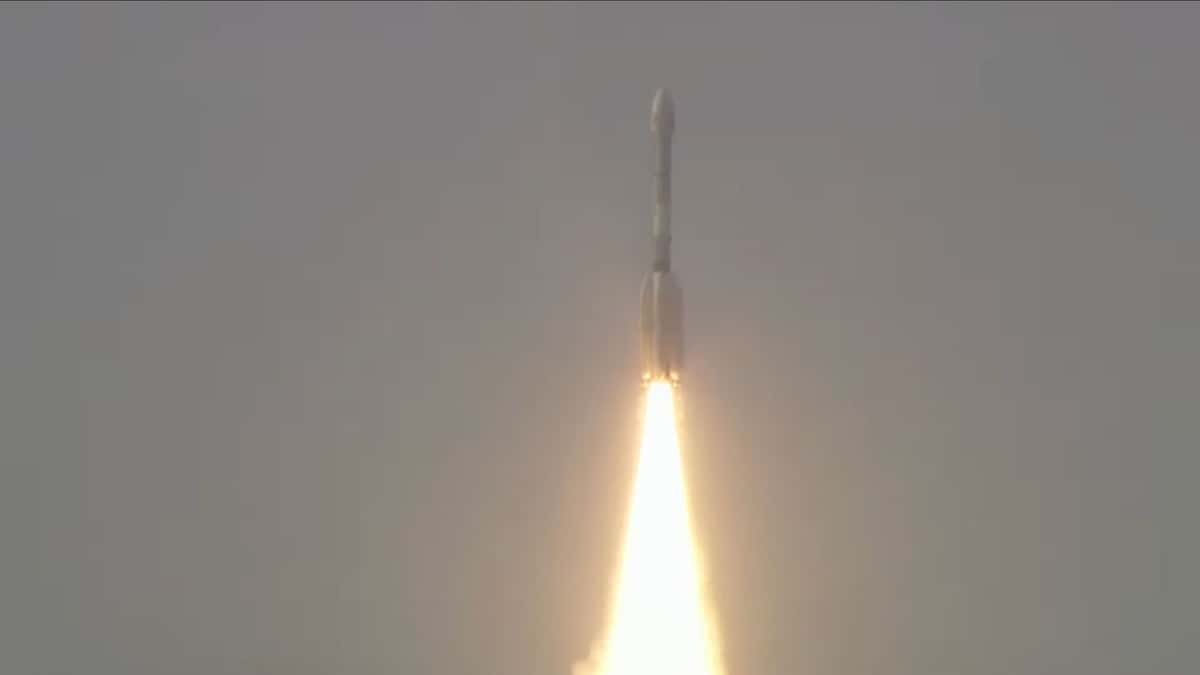
The 2,392-kg GSLV-F16 rocket took off at 17:40 IST into a 743-km Sun-synchronous orbit. This NASA-ISRO Synthetic Aperture Radar (NISAR) satellite mission aims to revolutionise Earth observation, monitor climate change, and manage natural disasters globally.
This also marks ISRO’s 102nd launch mission and the 18th flight of the GSLV. The satellite’s successful deployment signifies a significant step in international space cooperation.
M. Sankaran, director of URSC, noted the satellite was “very benignly injected by the GSLV.” This allowed it to achieve three-axis stabilisation quickly. Chaitra Rao, project director of NISAR, also confirmed, “Both the solar panels are deployed.” NISAR will soon attain its required Earth-pointing attitude.
Helping Farmers from Space
NISAR will provide critical insights for monitoring agricultural biomass in India. It will also assess disasters and study the Himalayan snow and glaciers. The satellite offers “centimetre-level precision” for detecting ground shifts.
Once in orbit, this satellite will track changes to our planet’s surface, from ecosystem shifts to natural hazards and more, as per NASA’s X post. These include ground deformation, ice sheet movement, and vegetation dynamics.
It will also support sea ice classification, ship detection, shoreline monitoring, storm tracking, changes in soil moisture, surface water mapping, and disaster response.
How will NISAR support agriculture and farming?
— NASA JPL (@NASAJPL) July 30, 2025
Hear from the scientists and end users how its data will be used to map crop growth, track plant health, and monitor soil moisture. pic.twitter.com/glr9LWs9Py
The 12-meter mesh reflector antenna deployment will begin 10 days after launch. This process will take about eight days. A 90-day in-orbit checkout phase will follow.
ISRO’s Roadmap
This GSLV mission is the first to target a sun-synchronous polar orbit. ISRO chairman, V Narayanan, stated the vehicle achieved “the intended orbit.” He added, “We have got the orbit with a dispersion of less than 3 kilometres.” This was against a permissible level of 20 kilometres.
Anil Kumar Bhatt, director general of the Indian Space Association (ISpA), commented, “While this mission was primarily led by national agencies, it paves the way for the dynamic Indian private space sector to actively contribute to such cutting-edge collaborations in the near future.”
ISRO has an ambitious schedule for the current financial year. Nine major launches are planned. Out of these, ISRO also plans to launch the USA’s BlueBird Block 2 communication satellite. This will use an LVM3 vehicle. Additional PSLV C63, GSLV F18, and SSLV missions are also targeted.