Key takeaways
- Google's LaMDA will be released in small batches to gather user feedback before a wider public launch.
- Unlike typical language models, LaMDA is designed for informal, open-ended conversations, having been trained on human dialogue.
- Google is prioritising caution due to potential reputational risks associated with chatbot errors and inaccuracies.
- The AI Test Kitchen platform allows users to report issues, contributing to the refinement of LaMDA.
Amid the ChatGPT craze, Google has silently released a waitlist for its conversational chatbot, LaMDA, via AI Test Kitchen.
Sign up for the waitlist here.
Google will release LaMDA to small groups of people in batches, test the app, and work on feedback to make it better, before making it available to the general public. But it doesn't support workspace accounts on the waitlist.
LaMDA (Language Model for Dialog Applications)is built by fine-tuning Transformer-based neural language models specialized for dialogue, with 137B model parameters.
Since LaMDA was trained on human dialogue and stories rather than text, it is different from other language models and can converse informally in open-ended conversations.
Google’s Slow & Steady Moves
Google is a much bigger company than OpenAI in terms of size and experience. LLMs always come with problems of toxicity, bias, safety, incorrect responses, among so on.
The much-acclaimed ChatGPT is also being bashed for the same. So, Google is cautious of the ‘reputational risk’ that can come with launching a chatbot with errors.
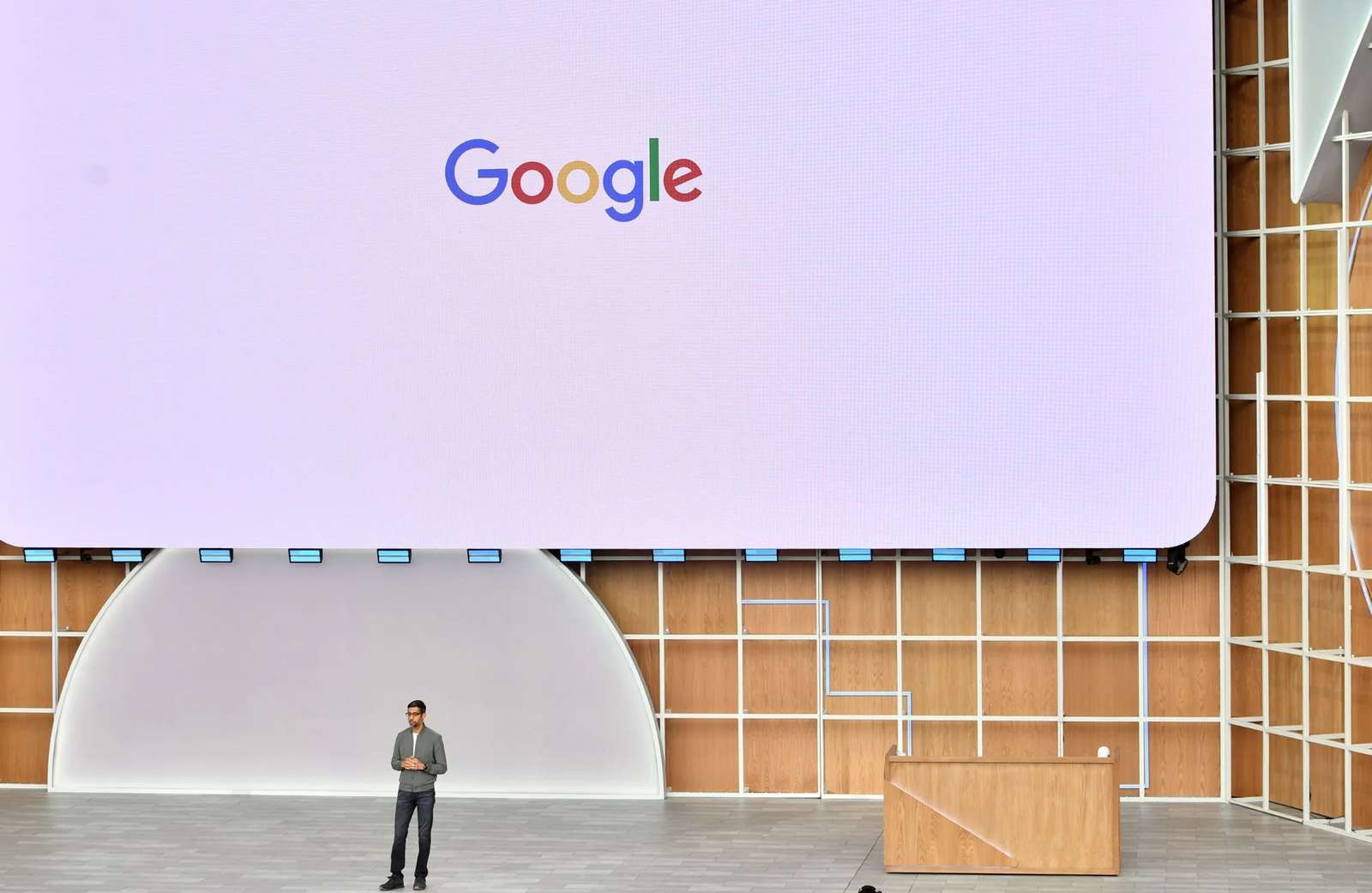
In the Google I/O event of 2022, CEO Sundar Pichai said that “While we have improved safety, the model [LaMDA] might still generate inaccurate, inappropriate, or offensive responses. That's why we are inviting feedback in the app [AI Test Kitchen], so people can help report problems”.
Google introduced AI Test Kitchen in the same event to allow feedback from people than can be used to rectify LaMDA.
Read: ChatGPT Vs LaMDA