
The Centre is set to roll out a new-generation Pollution Under Control Certificate (PUCC) system that uses AI, geotagging and automated validation to tighten vehicle emission testing and curb fraudulent certification practices, The Times of India (TOI) reported.
The upgraded PUCC 3.0 regime, expected to be launched before the onset of winter, will use an AI-enabled system to verify the physical presence of vehicles at testing centres, ensure live testing, confirm the correct placement of emission-measuring probes and upload data directly to a central database.
Delhi has around 900 PUC testing centres, while the National Capital Region (NCR) has nearly 4,000. Speaking at an event, Mahmood Ahmed, additional secretary in the Ministry of Road Transport and Highways, said the new framework would make the emission testing process significantly more stringent.
According to officials, the system will automatically capture vehicle registration numbers, validate emission parameters and reject suspicious or invalid test records. All testing data will be encrypted end-to-end to reduce the scope for tampering.
During a speaking engagement, Mahmood Ahmed, an additional secretary in the Ministry of Road Transport, stated that the new PUCC framework would be significantly more rigorous, with all information encrypted end-to-end.
According to information received by TOI, the updated system will automatically record vehicle registration numbers and will feature automated verification of emission standards, along with the dismissal of questionable or invalid test results.
Ahmed said the government hopes to introduce the new system within the next few months. “We are hopeful of rolling out the PUCC 3.0 in the next couple of months and certainly before the onset of winter,” he said.
Explaining the changes, Ahmed added that the Centre was working on a notification that would take the pollution-control regime “to another stage wherein we would like to say and specify and hopefully ensure too that the vehicles are geotagged, meaning they are in and around the PUCC centre”.
He also highlighted gaps in the current system, noting that many vehicles obtain pollution certificates without physically visiting testing centres. “We would also like to ensure that the data is end-to-end encrypted. The probe is actually inside the tailpipe of the vehicle, and there is no manual feeding of data,” Ahmed said.
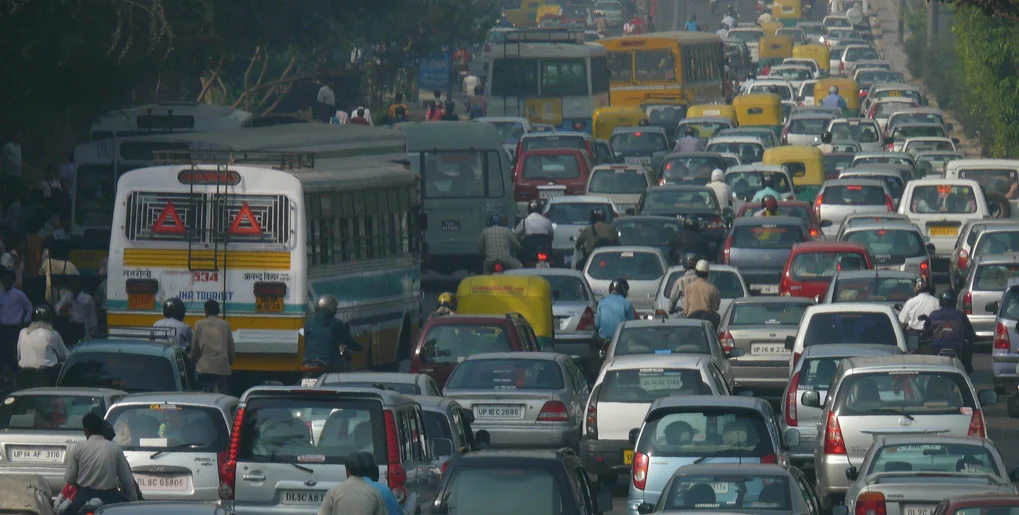
The proposed overhaul comes as authorities seek stronger enforcement mechanisms to curb vehicular emissions, a major contributor to Delhi's air pollution, particularly during the winter months.

Your reaction
Discussion
What's your take on this story?
No comments yet — be the first to share your view.