
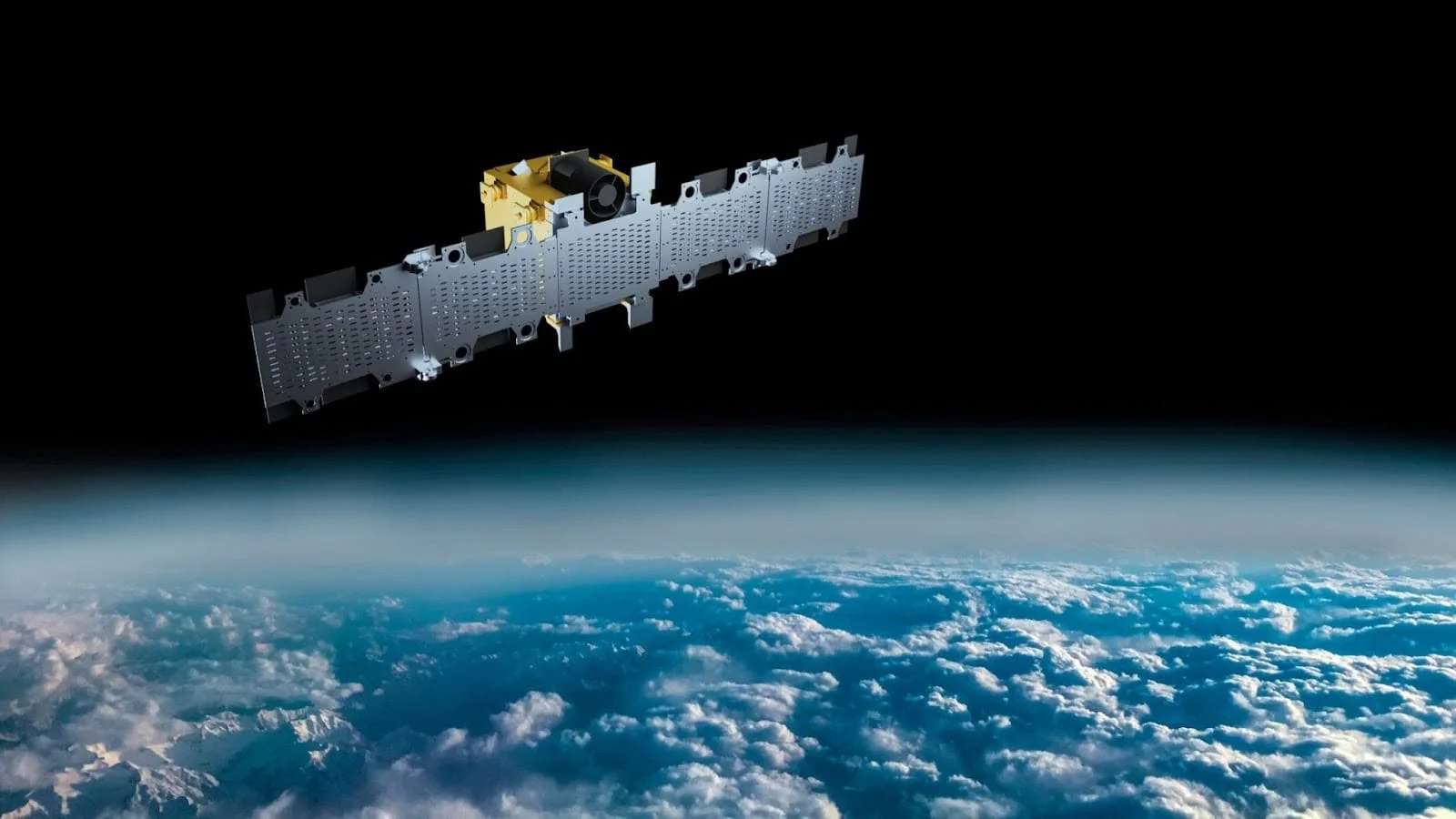
Bengaluru-based space tech startup GalaxEye has lost communication with its Mission Drishti satellite following an anomaly linked to a geomagnetic solar storm.
The satellite, launched aboard a SpaceX mission on May 3, had successfully completed a major portion of its Launch and Early Orbit Phase (LEOP) and validated several critical spacecraft systems before communication became intermittent and was eventually lost.
The company said the initial root cause analysis suggests radiation effects associated with the solar storm likely impacted a critical onboard system. Recovery efforts remain underway, although GalaxEye said the likelihood of restoring contact appears low.
Mission Drishti was developed as the world’s first OptoSAR satellite, combining optical and synthetic aperture radar imaging capabilities. According to the company, the mission successfully established communication after launch, executed deployment and attitude control activities, operated onboard computing and communications systems, and demonstrated in-house mission operations from its Bengaluru Mission Control Centre.
Despite the anomaly, GalaxEye said the satellite validated critical technologies, operational processes and infrastructure required to design, build, launch, and operate advanced space systems.
“Mission Drishti marks the culmination of years of innovation, engineering, and execution by our team,” Suyash Singh, Co-founder and CEO of GalaxEye, said in a statement. He said the mission had generated engineering insights that would help improve future spacecraft and accelerate the company’s plans to bring more manufacturing, supply chain, and satellite development activities in-house.
The company now plans to launch two new OptoSAR satellites within the next 24 months and expand its in-house capabilities.
Founded in 2021 by five IIT Madras alumni, GalaxEye develops Earth observation systems based on its proprietary OptoSAR technology. The startup has raised around $20 million from investors, including Speciale Invest, Mela Ventures, Infosys, Ideaforge, and Rainmatter (by Zerodha).
- AI Productivity to Add $28 Billion to $84 Billion to India's GDP: Cognizant Study
- OpenAI's Codex Helps in Aerodynamic Engineering for Mazda
- Bengaluru Accounts for 34% of India's FDE Talent: Report
- 84% See AI Productivity Gains, but Only 10% Allow Agent Autonomy: TCS Study
- Snowflake Introduces Business Ontology, Cortex AI Gateway to Bring AI Agents Into Enterprise Workflows
- Three Members Behind Claude Code Leave Anthropic Within 10 Days