
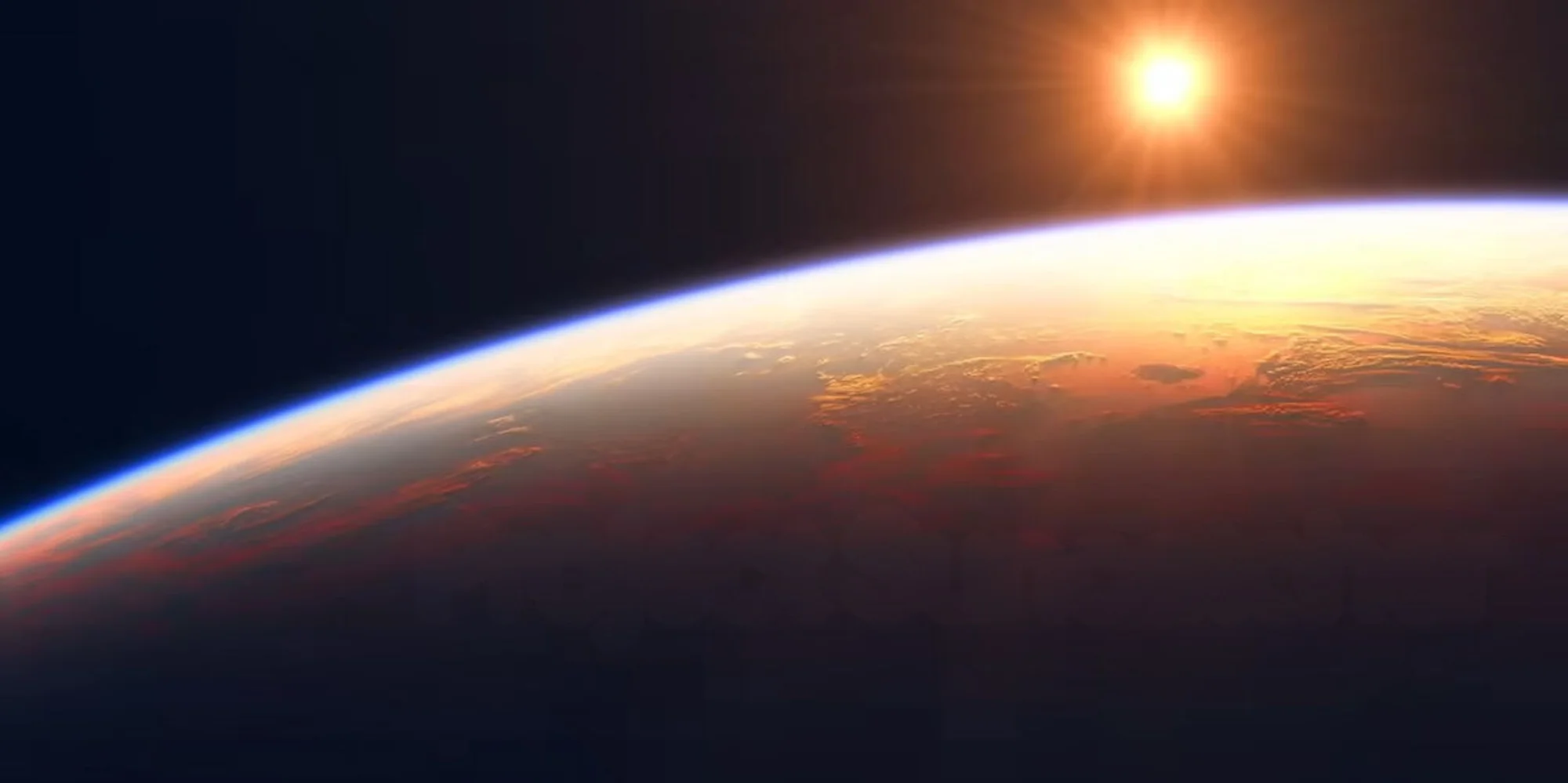
Google is preparing to launch a prototype satellite for the first orbital test of Project Suncatcher. The test will examine how Google Tensor Processing Units (TPUs) perform in space. It will fly on SpaceX’s upcoming Transporter-18 rideshare mission.
The satellite will collect data on hardware performance in orbit.
The first mission will focus on whether AI hardware can withstand spaceflight. Google will study the effects of vibration, acceleration, radiation, and temperature extremes. The company said the satellite will provide data for future missions.
“This first launch is about seeing what works, identifying points of failure, and applying those findings to future missions,” the company said in a blog post.
Google has already tested its TPUs against several conditions expected during the mission. A rocket journey to low Earth orbit lasts about 10 minutes. During launch, spacecraft can experience acceleration loads of up to 10g. Individual components can face forces reaching 50–100 g.
The team also tested Trillium TPUs against radiation at UC Davis’ Crocker Nuclear Laboratory. Researchers ran AI workloads during proton beam testing. They monitored errors such as bit flips and their impact on workloads. Google said initial results showed the TPUs could withstand radiation beyond a five-year space mission dose.
Cooling remains another challenge for the project. TPUs generate significant heat in a small area during operation. Space lacks airflow, so conventional cooling methods cannot work in a vacuum. Google is testing heat pipes and radiators to move heat away from the chips.
The company has tested its cooling technology inside a thermal vacuum chamber. The chamber simulates the thermal and vacuum conditions found in space. Google will use the orbital test to assess the new cooling system and refine future designs.
Google also plans to test communication between satellites. Future Suncatcher satellites could carry dozens of TPU chips and operate in clusters. The satellites will use lasers to communicate and maintain the bandwidth required for AI workloads.
The project faces a demanding communications challenge. Existing space laser systems usually support lower bandwidth across longer distances. Suncatcher requires high bandwidth across short distances between moving satellites. Google plans to test this system in 2027 with two satellites in orbit.
The company is presenting Suncatcher as a long-term research effort rather than an immediate space-based data centre deployment. Its early tests will determine whether the hardware, cooling systems, and satellite links can support the concept in orbit.
Google announced Project Suncatcher last year as a research programme for space-based machine learning infrastructure. The company is exploring whether satellite constellations could support scalable AI workloads. Low Earth orbit offers near-constant sunlight, which can generate up to eight times as much solar power as on Earth.

Your reaction
Discussion
What's your take on this story?
No comments yet — be the first to share your view.