
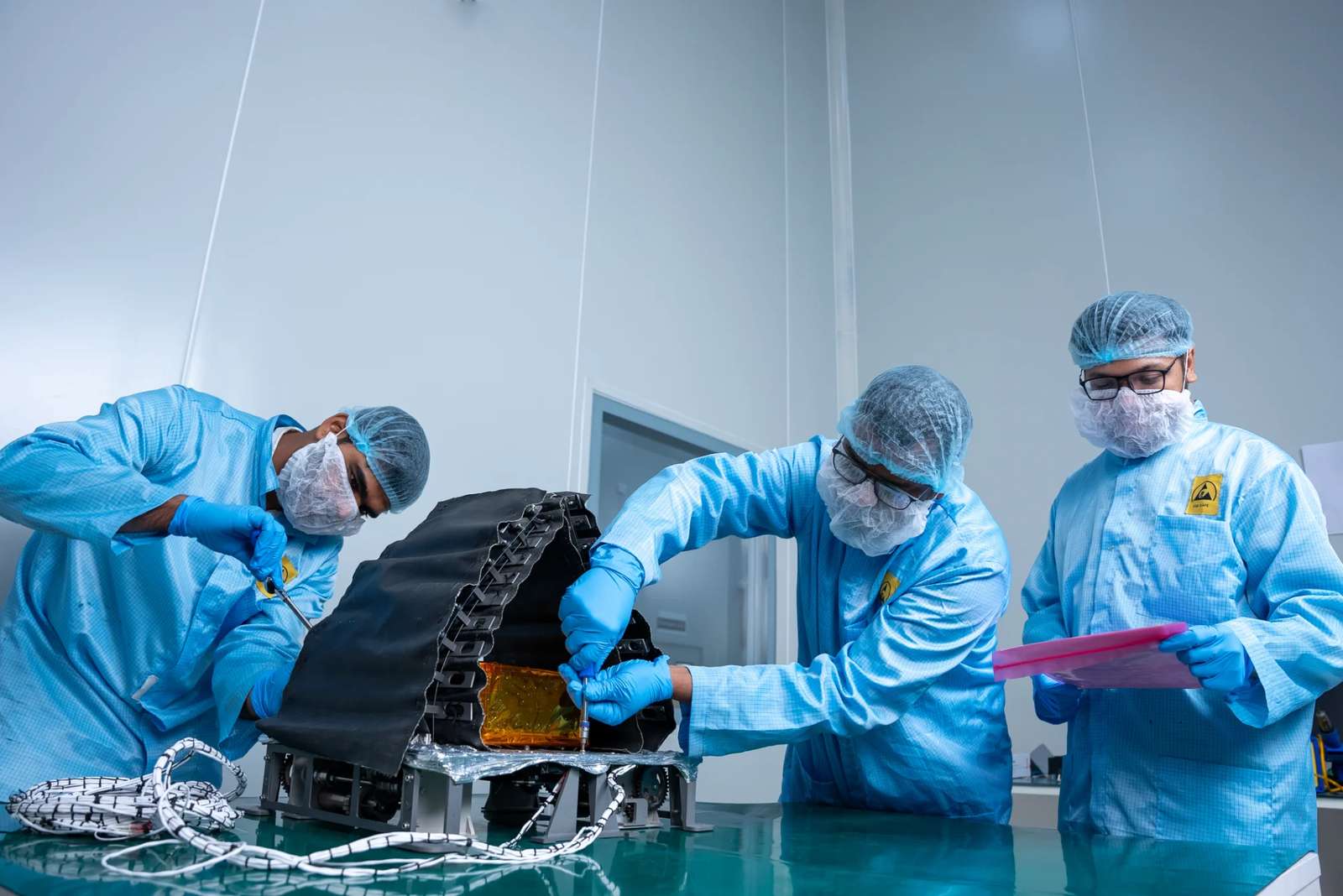
Hyderabad-based space tech startup Cosmoserve Space has announced Mission Embrace, an orbital technology demonstration that will attempt what the company claims is the world’s first soft-robotic capture of an object in orbit.
The mission will fly aboard Skyroot Aerospace’s Vikram-1 maiden orbital launch, Mission Aagaman, during the approved launch window between July 12 and August 4, 2026. The startup said the mission will validate a robotic capture system designed to support future space debris removal operations.
“Mission Embrace forms part of India’s first private orbital launch carrying satellite payloads while also attempting the world’s first demonstration of soft robotic capture in orbit,” Chiranjeevi Phanindra, Founder and CEO of Cosmoserve Space, said in statement.
The soft robotic capture technology intends to latch onto inactive and non-cooperative satellites, which form a growing share of orbital debris around Earth.
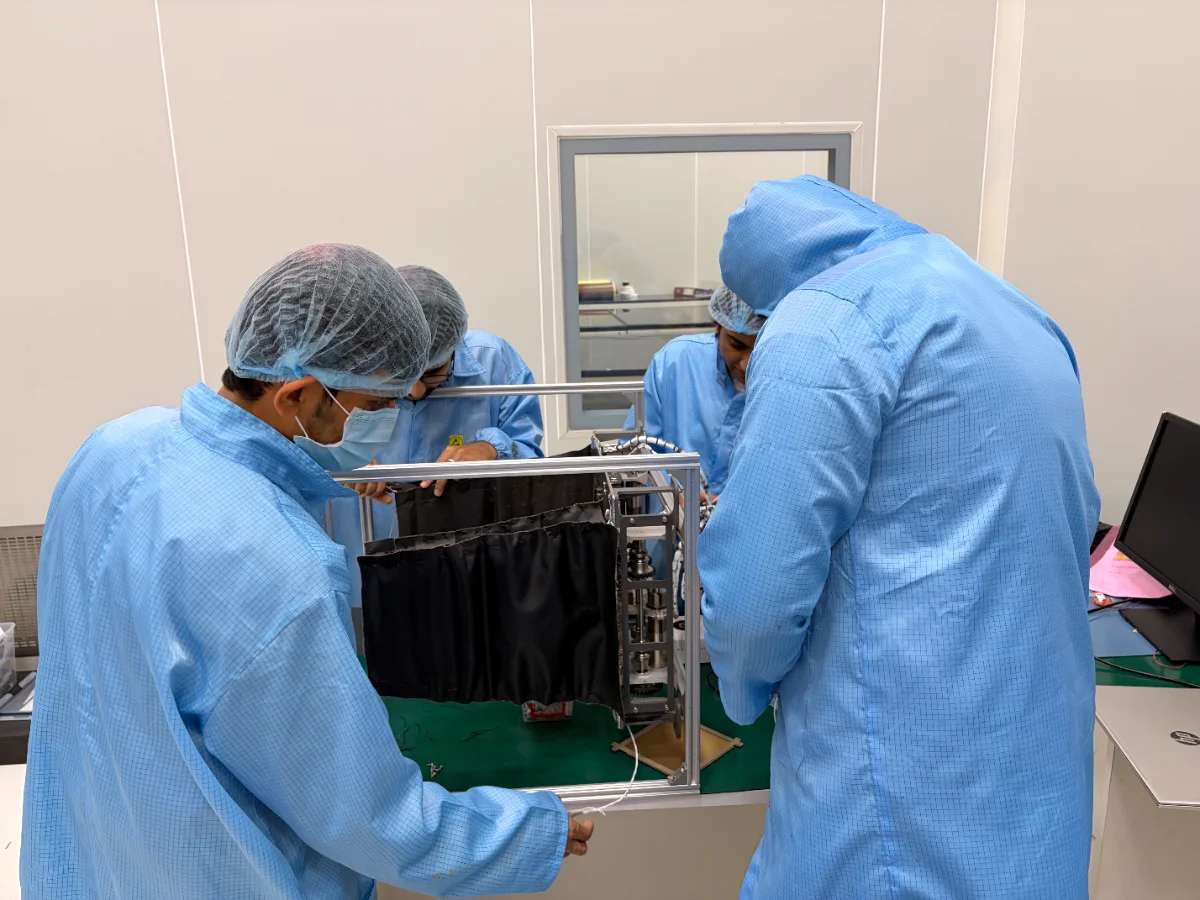
However, the technology differs from Cosmoserve’s partnership with space tech startup Pixxel to develop a technology demonstration mission for space debris removal. Phanindra confirmed to AIM that Mission Embrace is a separate effort focused solely on validating the company’s soft robotic capture technology in orbit.
“The primary technologies we are developing are the soft robotic capture system and navigation system. All these systems will eventually go into a larger satellite platform [being developed with Pixxel] where we will demonstrate chasing an object in space, capturing it and pulling it down,” he said.
He said the Pixxel collaboration, announced in March earlier this year, relates to a future mission planned for early next year.
Space debris has emerged as a major challenge for satellite operators as the number of spacecraft in orbit continues to rise. Cosmoserve is developing Active Debris Removal (ADR) technologies to address the issue.
Its long-term plan includes developing a dual-spacecraft system in which a robotic servicer spacecraft captures and removes defunct satellites from orbit. The company said its approach could deliver debris-removal services at a fraction of the cost of comparable solutions.
Cosmoserve said the technology is suited for debris-removal missions because inactive satellites often lack standard docking interfaces. The company views the demonstration as a key step towards commercial debris-removal operations.
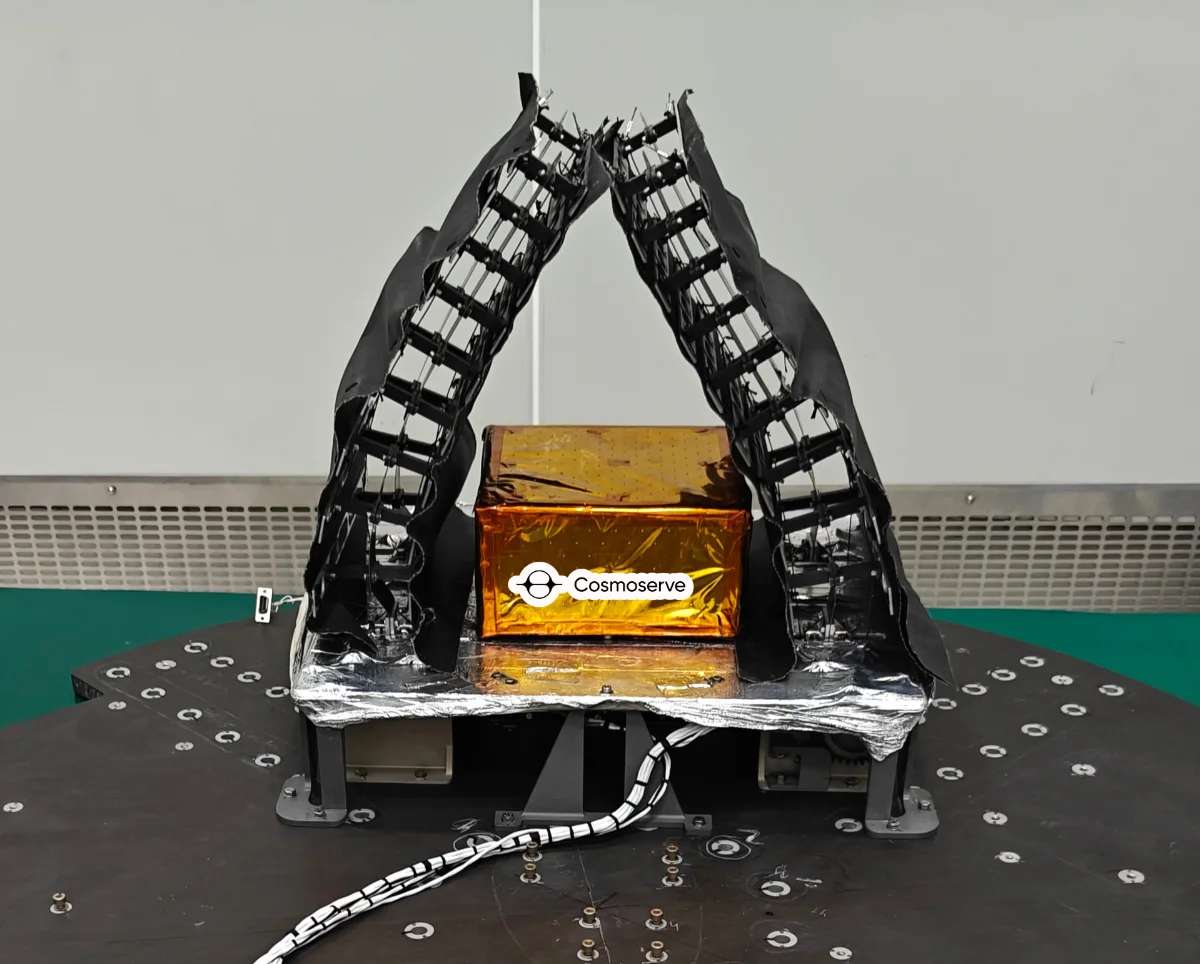
“We developed this technology from concept to flight-ready hardware in just four months within a company that is less than a year old, without compromising engineering rigour. Through this mission with Skyroot, we are demonstrating how rapidly India’s private space ecosystem can innovate through collaboration,” Phanindra added.
The company, which was incorporated less than a year ago, said the programme underwent a review process overseen by an independent committee comprising former ISRO scientists and industry experts. The technology cleared system concept, preliminary design, critical design, and flight readiness reviews before receiving approval for flight.
Additionally, in June last year, ISRO launched the SpaDeX (Space Docking Experiment) mission, on board which it had the ‘Debris Capture Robotic Manipulator’. Developed by ISRO’s Vikram Sarabhai Space Centre, the experiment focused on demonstrating the capability to capture tethered debris in space using visual servoing and object motion prediction.
- Anthropic Posts $17 Bn in Q3 Revenue, Swings to Operating Loss
- OpenAI Signs Four Agreements With Abu Dhabi Across Government, Energy And Investment
- Deep-Tech and Green Finance to Drive India’s Climate Investments in 2027
- Google’s Project Suncatcher Satellite Generates First AI Response in Orbit
- DeepSeek Proposes Super-Agent Architecture to Automate AI Coding Workflows
- Arrowhead AI Launches Fletch Voice Model for Multilingual Customer Calls