Karnataka Targets Major GCC Expansion, IT Park in Mangaluru
By Merin Susan John ·
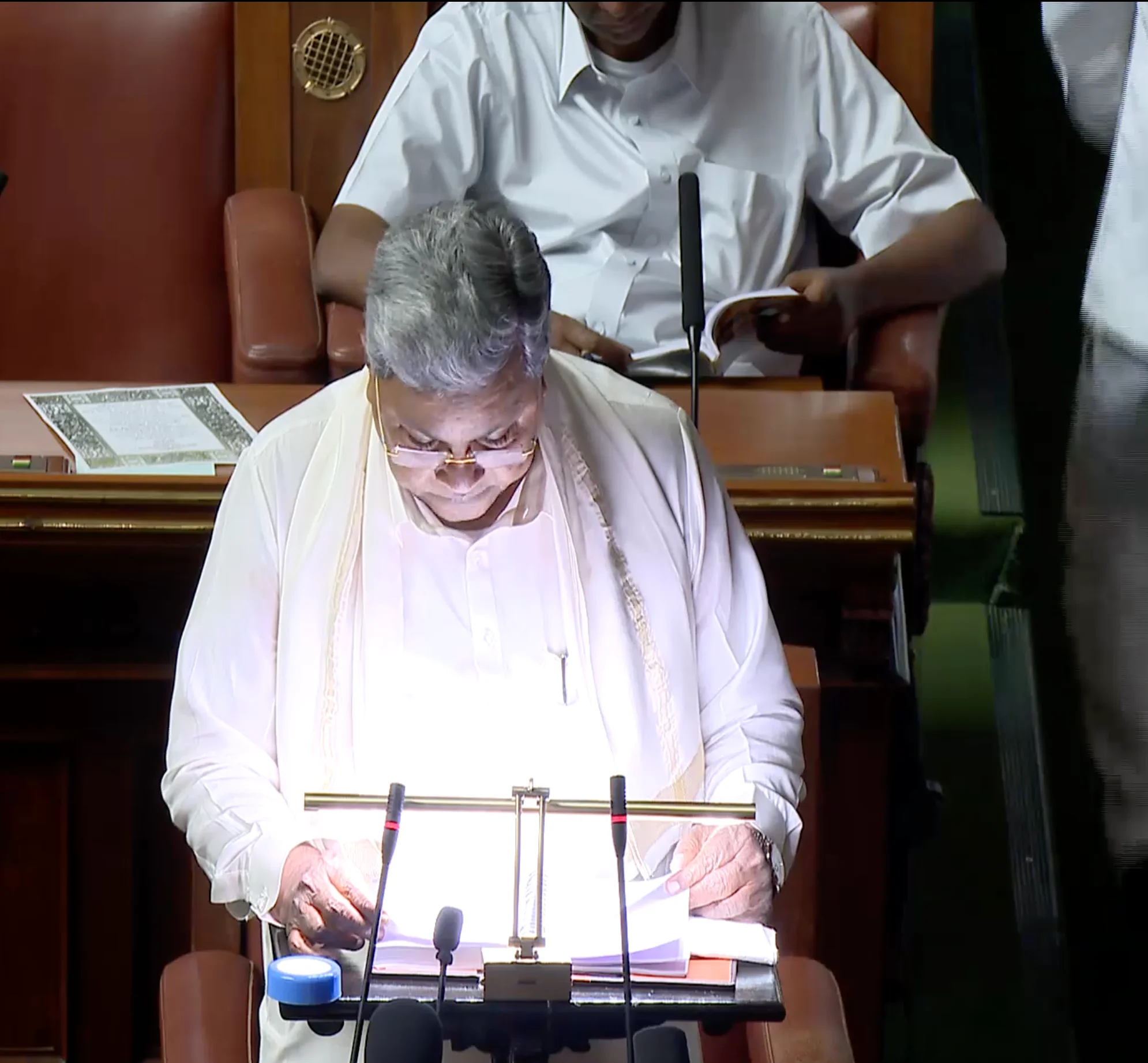
While presenting the State Budget 2026 speech, Karnataka Chief Minister Siddaramaiah announced that the state is aiming to significantly expand its Global Capability Centre (GCC) ecosystem, with a target of establishing around 500 new GCCs by 2029. The initiative is expected to create about 3.5 lakh jobs and generate nearly $50 billion in economic output in the state.
The state currently has 550 GCCs in the state, he noted.
As part of the push to decentralise the IT sector beyond Bengaluru, the government also announced that an IT park will be developed in Mangaluru through the Karnataka State Electronics Development Corporation (KEONICS) to promote GCCs and attract global companies.
Meanwhile, a new wave of ‘nano GCCs’ is fast emerging as the agile, innovation-led centres often located in India’s tier-2, 3 cities.
Simultaneously, the rise of captive centres for medium-sized enterprises is also shaping the ecosystem. These firms now account for nearly 50% of India’s total GCC landscape. Unlike their larger counterparts, mid-market organisations typically do not have expansive in-house R&D operations.
The chief minister noted that similar efforts in Mysuru have already shown results, with over 30,000 employees currently working across nearly 100 IT companies in the city due to sustained encouragement for the information technology sector.
The move is part of Karnataka’s broader strategy to strengthen the state’s position as a global technology hub while spreading IT growth to emerging cities such as Mangaluru and Mysuru.
Earlier, the former chairman of the Indian Space Research Organisation (ISRO), Dr Sreedhara Panicker Somanath, proposed that Mysuru be developed as India’s startup laboratory, according to state media reports.
“Let Mysuru be a place where startups co-create with labs, where internships matter as much as examinations and where technology policy is informed by evidence, ethics and empathy,” he said during the 106th convocation of the University of Mysore.