
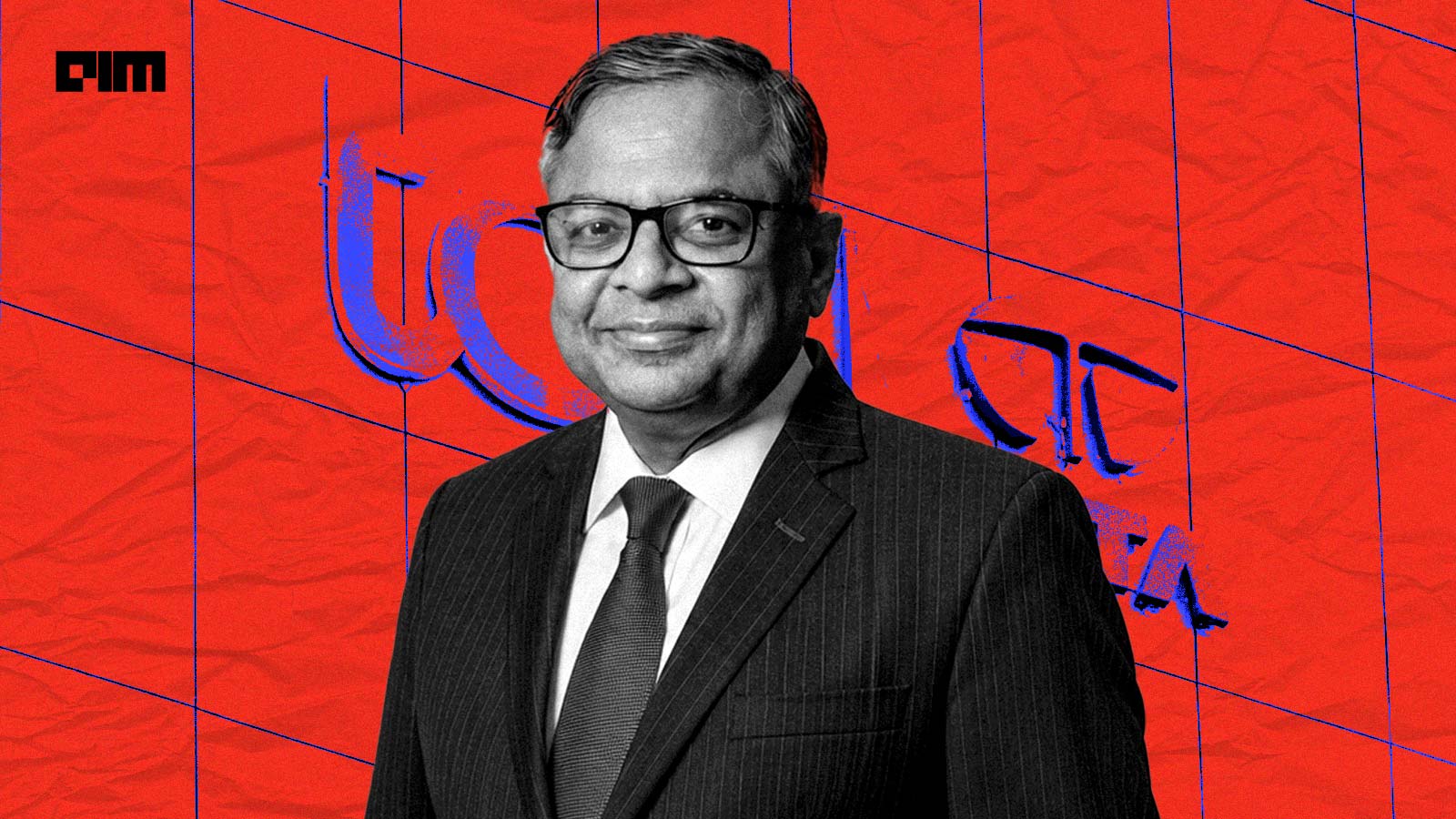
Tata Sons’ board on Thursday approved a fresh five-year term for N Chandrasekaran as chairman of the Tata Group’s holding company, reversing a leadership transition that had appeared settled just weeks ago.
The decision puts Chandrasekaran, who had announced in August that he would not seek another term, back at the centre of the Tata Group’s leadership at a critical juncture for its holding company.
The board’s move, however, is not the final word on his continuation, with Tata Trusts chairman Noel Tata recording his dissent and shareholder approval still required. The disagreement is significant because Tata Trusts collectively hold about 66% of Tata Sons, and Chandrasekaran will therefore have to clear the shareholder process to secure the fresh term.
The development comes days after Tata Sons faced a renewed push from the Reserve Bank of India to comply with listing requirements applicable to an upper layer non-banking finance company (NBFC), effectively putting the group’s long-running effort to keep its holding company private under fresh pressure.
Exit to Extension
Chandrasekaran’s return to the chairman’s chair marks a sharp reversal from his position in August.
On August 12, the veteran Tata executive said he would not offer himself for reappointment when his second five-year term ended on February 20, 2027. His decision followed months of uncertainty over his proposed third term after the Tata Sons board had failed to reach a resolution on his continuation.
Tata Trusts subsequently began preparations for a succession process. The board’s latest decision effectively reopens that debate.
The leadership question is intertwined with a broader debate over the future structure and strategy of Tata Sons.
The holding company sits at the centre of the Tata Group, which spans businesses ranging from technology and automobiles to steel, aviation, consumer products, and financial services. Tata Sons is the principal investment holding company and promoter of the group’s operating companies, while philanthropic Tata trusts own a majority chunk of its equity.
The disagreement over Chandrasekaran’s tenure has, in recent months, included concerns around capital allocation and the performance of some of the group’s large unlisted businesses.
Chandrasekaran, who joined the Tata Group in 1987 and later became CEO and Managing Director of Tata Consultancy Services, took over as Tata Sons chairman in February 2017. He was unanimously reappointed for a second five-year term in 2022.
His tenure has coincided with a significant expansion of the group into areas such as semiconductors, electronics manufacturing, digital businesses, and aviation, alongside large investments in existing businesses.
RBI Listing Pressure
The RBI last week rejected Tata Sons’ application to surrender its registration as a core investment company (CIC). Tata Sons had sought to exit the regulatory framework that could require it to list publicly. The company now faces the prospect of complying with the central bank’s listing requirements.
Tata Sons had remained privately held despite controlling stakes in some of India’s largest listed companies. A listing would bring greater disclosure requirements and potentially alter the dynamics between Tata Sons, its controlling Tata Trusts shareholders, and minority investors.
The board’s decision on Thursday to proceed with the listing process therefore puts the two most contentious issues—Chandrasekaran’s leadership and the future ownership structure of Tata Sons—on the table simultaneously.

Your reaction
Discussion
What's your take on this story?
No comments yet — be the first to share your view.