TCS Hosts AI Hackathon for 10,000 Students Ahead of India AI Impact Summit
By C P Balasubramanyam ·
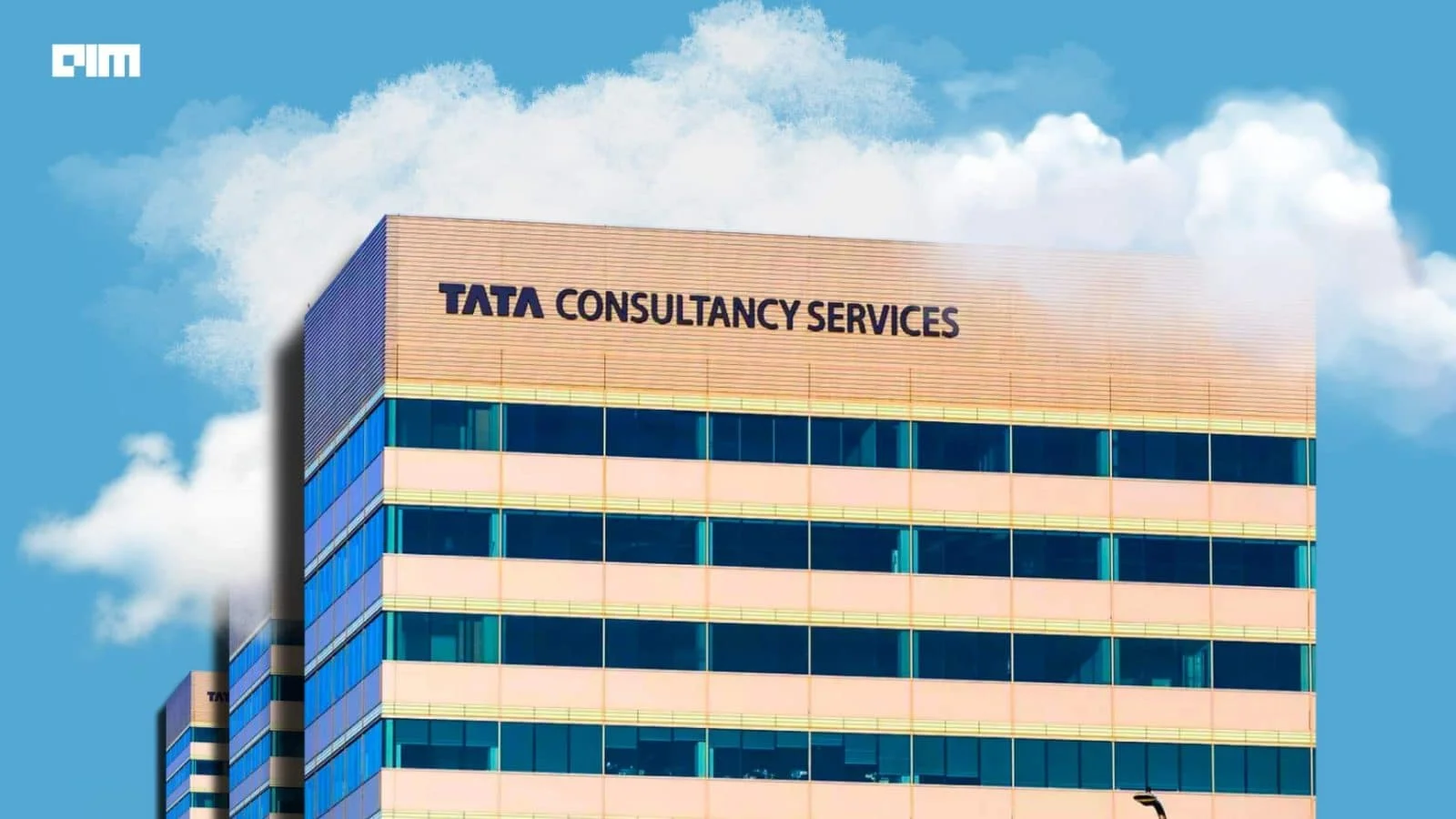
Tata Consultancy Services (TCS) has conducted what it described as the world’s first large-scale AI hackathon designed specifically for students without coding or engineering backgrounds, engaging more than 10,000 participants across India over six weeks.
The initiative, held ahead of the India AI Impact Summit 2026, saw students from disciplines such as arts, commerce, nursing, agriculture, criminology and law participate in satellite hackathons across 22 colleges in 10 states.
Using voice-first AI tools available in nine Indian languages, participants identified real-world challenges in their fields and built prototypes, most within 90 to 120 minutes.
The company said the programme aims to expand digital inclusion and enable non-technical students to participate in the evolving AI ecosystem.
Building on these satellite editions, TCS will host the flagship Tata Bharat YUVAi Hackathon at the India AI Impact Summit on February 17, where nearly 2,000 students are expected to take part in what the company described as one of the country’s largest single-session AI training events.
The summit will feature real-time progress visualisation and AI-powered evaluation, with participants showcasing prototypes to industry leaders, delegates and dignitaries.
“You don't need a computer science degree to build software—just curiosity and AI. This hackathon gives students from any background the chance to build something real, in their own language, and walk away knowing they can do this,” Ashok Krish, Vice President and Head of AI Practice at TCS said.
“That's how you close the skills gap and create digital entrepreneurs," he added.
TCS said the initiative targets a large, underserved segment of India’s talent pool. About 62% of the country’s undergraduate population studies arts, science and commerce, while only 10–12% of Indians are fluent in English.
The hackathon was designed to remove barriers related to language, technical training and prior coding exposure by providing structured, multilingual AI assistance.
Since January 2026, satellite editions have been conducted across colleges in multiple regions, including Kerala, Tamil Nadu, Assam, Gujarat, Uttar Pradesh, Delhi, Andhra Pradesh and Maharashtra.
According to TCS, these events have helped validate the programme at scale and build a mentor network to support the flagship hackathon and future editions, with the broader goal of converting India’s domain-rich student population from technology consumers into technology creators.
In a similar large-scale AI skilling effort, Cognizant in August last year said it had successfully completed its attempt for a Guinness World Records title for the most participants in an online generative AI hackathon.
Over a ten-day period, 53,199 Cognizant associates across 40 countries took part in a “Vibe Coding” event, a global initiative aimed at democratising innovation and building AI fluency at scale.