Key takeaways
- Waymo's valuation surged to $126 billion after a $16 billion funding round led by Alphabet.
- The new funding supports Waymo's rapid expansion into new markets and commercial operations.
- Waymo's valuation tripled from $45 billion in October 2024 due to significant investor confidence.
- Waymo claims its safety record surpasses human driving, marking a shift to commercial reality.
- Notable investors in this round include Andreessen Horowitz, Fidelity, and Sequoia Capital.
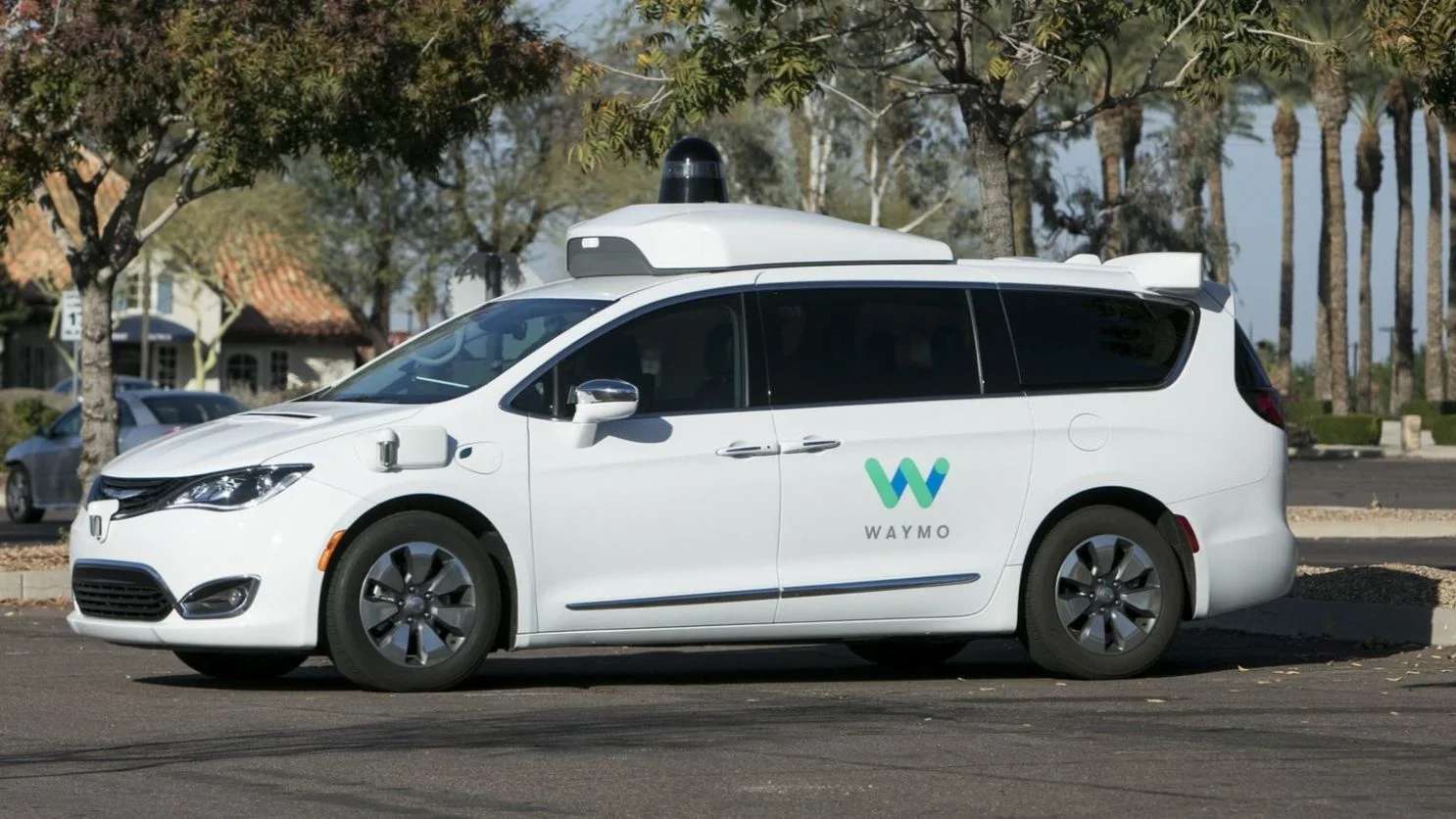
Alphabet’s self-driving car unit Waymo has raised $16 billion in fresh funding, valuing the company at $126 billion.
The funding marks Alphabet’s latest effort to bankroll Waymo’s rapid expansion into new markets, as the company seeks to turn years of research on autonomous driving into a large-scale commercial business.
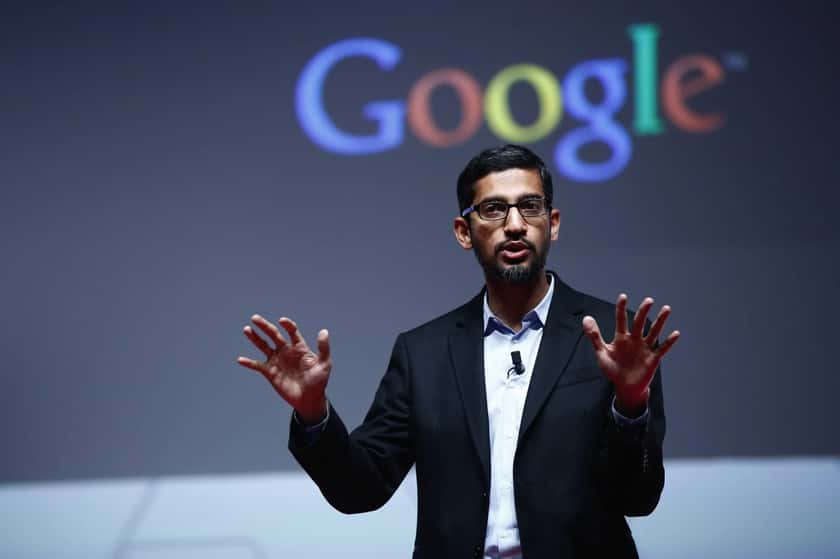
Google boss Sundar Pichai congratulated the team on X. “Incredible milestone! Congrats to everyone at @Waymo -- onwards!” he posted.
The new valuation has nearly tripled from October 2024 when Waymo raised $5.6 billion at a valuation of $45 billion. At the time, Alphabet committed to investing $5 billion in Waymo over successive years.
“This milestone is built on a foundation of safety that is now statistically superior to human driving,” Waymo co-chief executives Tekedra Mawakana and Dmitri Dolgov said in a blog post. “We are no longer proving a concept; we are scaling a commercial reality.”
The latest round was led by Alphabet, alongside existing investors including Andreessen Horowitz, Fidelity, Perry Creek, Silver Lake, Tiger Global, and T. Rowe Price. New investors joining the round include Dragoneer Investment Group, DST Global, Sequoia Capital, Kleiner Perkins, and Alphabet’s own venture arm, GV. Alphabet remains Waymo’s majority investor.
Waymo said the new capital would allow it to expand “with unprecedented velocity”, while maintaining what it describes as industry-leading safety standards. The company’s focus is now on global scale, with plans to bring its autonomous driving technology to more US cities this year, as well as to international markets. The company said it completed 15 million trips in 2025. It also plans to enter London, which would be its first international market.