
India’s accelerator ecosystem has long operated on a familiar formula: small cheques, large cohorts, and a race toward demo day. But as deep tech startups demand longer gestation cycles, technical validation, and patient capital, that model is increasingly showing cracks.
India’s accelerator Invention Engine is challenging that playbook.
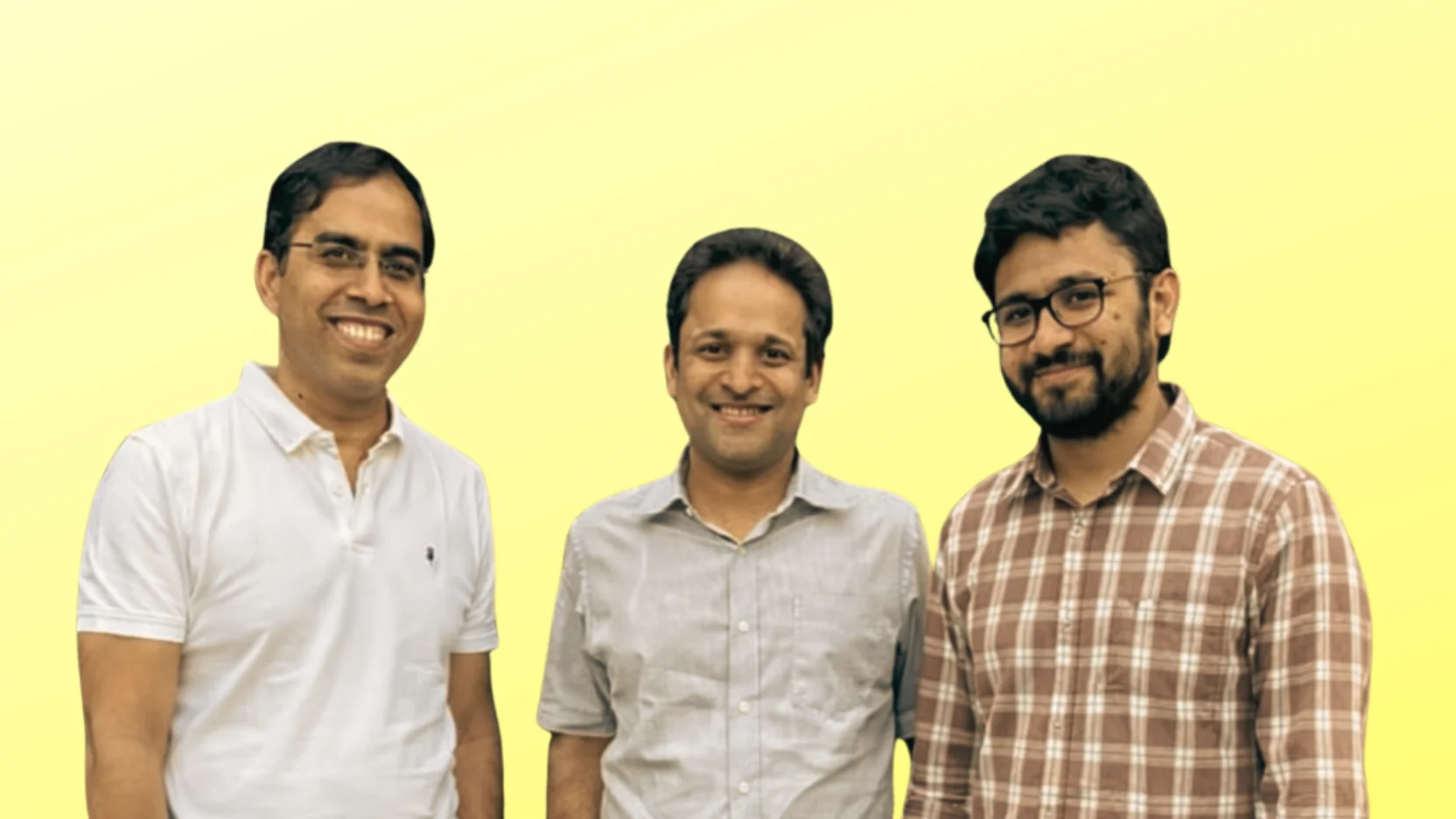
Founded by Varun Aggarwal, Shailendra Nath Jha, and Shubham Bansal, the accelerator positions itself as a founder-led platform for AI and deep tech startups, combining large early-stage capital with hands-on operational mentorship.
With its fourth cohort now underway, the firm is putting $100,000 per startup, among the highest entry cheques for accelerators in India, behind a tightly selected group of companies.
But beyond the cheque size, the team argues that the real shift lies in how they engage with founders.
Rethinking the Accelerator Model
Traditional accelerators, built for SaaS and consumer internet startups, often prioritise speed over depth. For deep tech founders, that approach rarely works.
Aggarwal says the core problem is structural. “Most accelerators optimise for scale, large cohorts, standardised programming, and quick demo-day outcomes. But deep tech startups don’t fit into that mould. They need time, technical validation, and sharper market discovery.”
At Invention Engine, this translates into smaller cohorts of six to eight startups, with a six-month programme that focuses heavily on product-market fit, go-to-market strategy (GTM), and fundraising readiness.
Jha says that the operator-led approach is central to their philosophy. “We’ve built and scaled companies ourselves, so the engagement is not theoretical. We work closely with founders on real decisions, pricing, positioning, and customer discovery, rather than just high-level guidance,” Jha said.
From Vague Ideas to Market Clarity
For many early-stage startups, the biggest challenge isn’t building technology. It’s figuring out where that technology fits in the market.
Uttam Tiwari, co-founder of Desible.ai, says the accelerator plays a critical role in sharpening that focus.
“The mentorship at Invention Engine helps us bring far more clarity to our market strategy,” Tiwari says. “A key exercise is breaking down the actual serviceable TAM for enterprise voice automation, which leads us to focus deeply on the BFSI sector rather than pursuing a broad horizontal play.”
That shift, from a broad approach to a focused vertical, also influences their GTM decisions. “We make a conscious decision to start with an India-first GTM instead of immediately expanding to the US,” he adds.
The programme goes beyond strategy sessions. Through introductions to enterprise leaders, curated roundtables with insurance executives, and guidance on pricing and positioning, Desible.ai can validate early product-market fit and strengthen its offering.
Tiwari notes that access to networks is equally critical. “Beyond the initial funding, the biggest value comes from access to experienced founders, operators, and industry networks,” he says, adding that the programme helps them pressure-test multiple problem statements and refine where their technology creates the most impact.
Forcing Founders to Face the Market
If one theme consistently emerges from founders, it is the emphasis on external validation over internal conviction.
Rana Vivek Singh, CEO of Magicroll.ai, describes the experience as rigorous and, at times, uncomfortable.
“The biggest shift for us comes from those weekly brainstorming sessions with the Invention Engine founders and the core team,” Singh says. “It’s not just theory—they sit with us, poke holes in our assumptions, and force us to get real about our market and target audience.”
He recalls starting with a broad, undefined vision. “We begin with this vague ‘we’ll build for everyone’ mindset and, thanks to their constant grilling, end up with a clearly defined niche and a sharper GTM plan.”
Singh says that they kept hearing people say not to take their word for it and to talk to the market. He explained that if the feedback didn't align with their hypothesis, the rule was simple: they shouldn't force-fit the product.
While the $100,000 cheque is a headline feature, founders suggest that capital alone is not the differentiator.
For Singh, a first-time founder, the psychological backing is just as important. “The money helps, of course, but that’s not what changes the game,” he says. “Invention Engine basically stands behind us like that one friend who says, ‘Go ahead, try it, if you mess up, we’ll figure it out.’”
This creates room for experimentation, something early-stage founders often lack.
Invention Engine claims that 50% of its portfolio companies secure follow-on funding, compared to the industry’s 20-30%. Tighter selection, deeper engagement, early validation, and strong networks drive their success.
Besides, its initiative Campus Spark converts research from IITs and BITS Pilani into startups. It bridges the lab-to-market gap by providing capital and commercialisation support, fostering deep-tech innovation.
Expanding Beyond Metros
The accelerators also prioritise founders from Tier 2 and Tier 3 cities, a segment often overlooked by traditional venture capital.
For decades, cities like Bengaluru, Hyderabad, and Chennai have dominated India’s startup ecosystem, benefiting from dense networks of capital, talent, and infrastructure. But this concentration has also meant that founders outside these hubs face structural disadvantages.
Invention Engine’s approach suggests a different model, one in which capital travels to talent rather than the other way around.
Aggarwal and Jha highlight founders in smaller cities like Hubli building AI products with lean teams and lower costs, supported by accelerators that help them compete globally.
As India’s startup ecosystem matures, the limitations of one-size-fits-all models are becoming more apparent.
Invention Engine believes that using larger early cheques, smaller cohorts, operator-led mentorship, and real-world validation can lead to better outcomes. While it's unclear whether this approach can scale and transform India’s deep-tech startup scene, early signs indicate it’s a compelling alternative to traditional accelerators.

Your reaction