Key takeaways
- Chinese scientists have developed an AI-powered device to monitor embryos in artificial wombs.
- The system currently supports the development of mouse embryos within a controlled environment.
- An optical device tracks embryo development without interfering with their growth.
- Current international guidelines prohibit the use of human embryos for research purposes.
Scientists at the Suzhou Institute of Biomedical Engineering and Technology in China have developed an AI-powered nanny to care for embryos in artificial wombs.
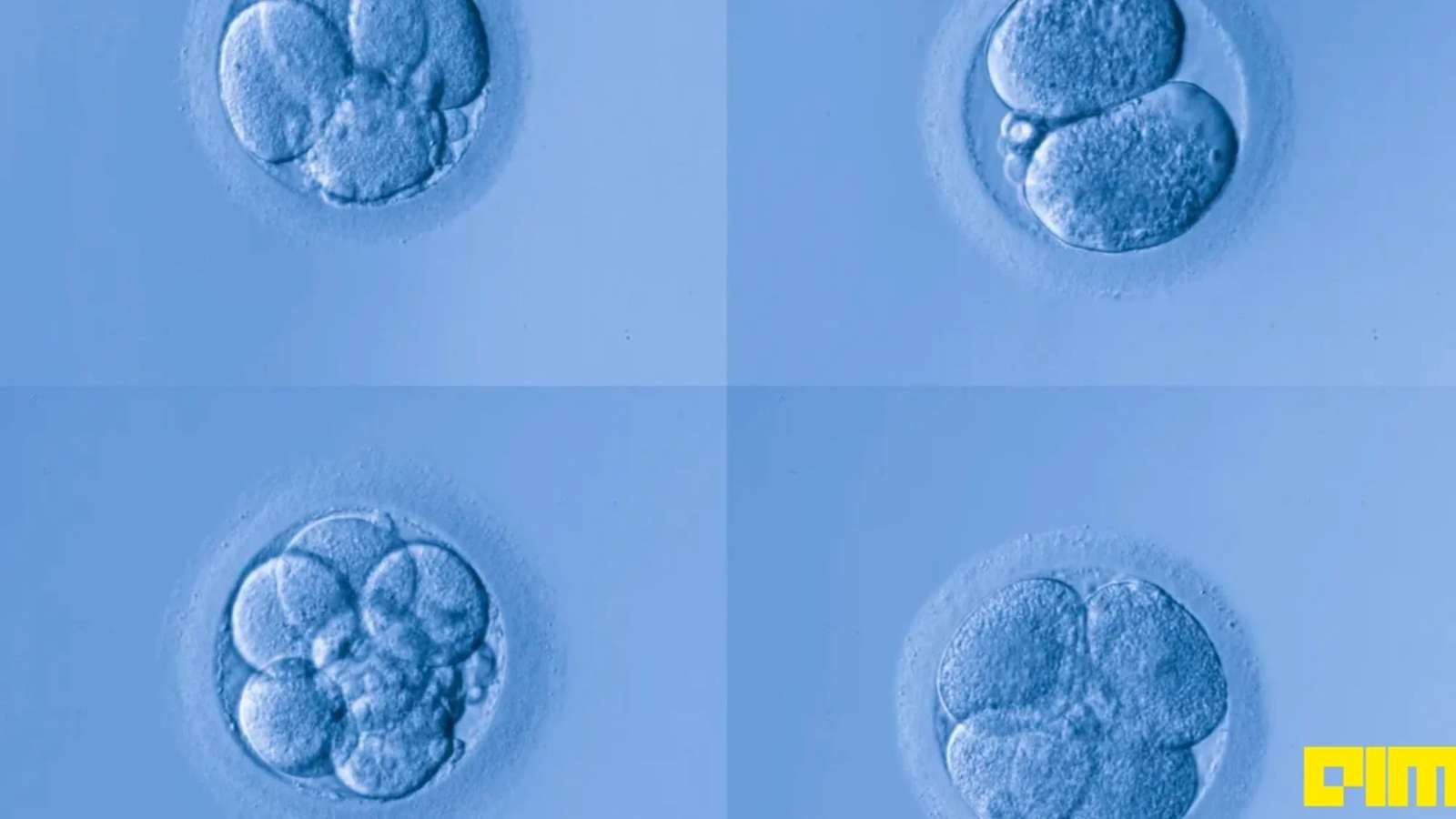
The apparatus, consisting of the AI nanny and multiple artificial wombs, is presently caring for mice foetuses. The ecosystem for embryo development is made of a complex system of fluid containers, controllers and steady oxygen supply. An optical device fitted on top of the embryo container monitors the foetuses, and feeds information to the AI nanny.
“The in vitro embryo culture online monitoring system developed in this paper can track and record the morphological characteristics of the development process without affecting the embryo development, and provide a basis for the evaluation of embryo development and the optimization of the vitro culture system, '' scientists said in their research paper.
Existing international guidelines around the usage of human embryos for research purposes prohibit human foetuses from being used for testing.
Spotted an error? Tell our editors. Read our editorial standards and corrections.