Key takeaways
- AI tools are enhancing artistic creativity, allowing artists to explore ideas without waste.
- SketchRNN uses recurrent neural networks to build upon artists' sketches, generating new possibilities.
- Despite advancements, AI still struggles to fully replicate human-like writing and drawing abilities.
- The integration of AI in art serves more as a supportive tool than a replacement for human creativity.
- Automation is transforming jobs, yet the artistic domain remains largely reliant on human input.
Brown University Researchers Are Trying To Ace Perfection
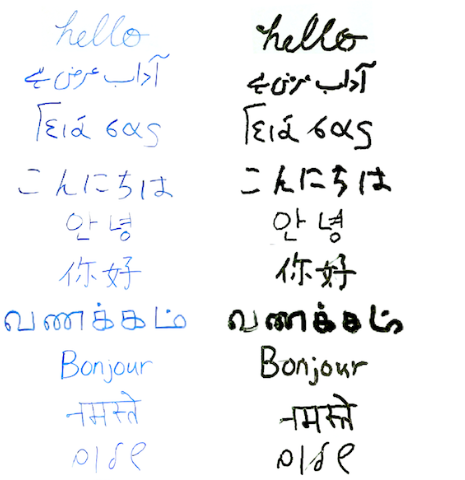
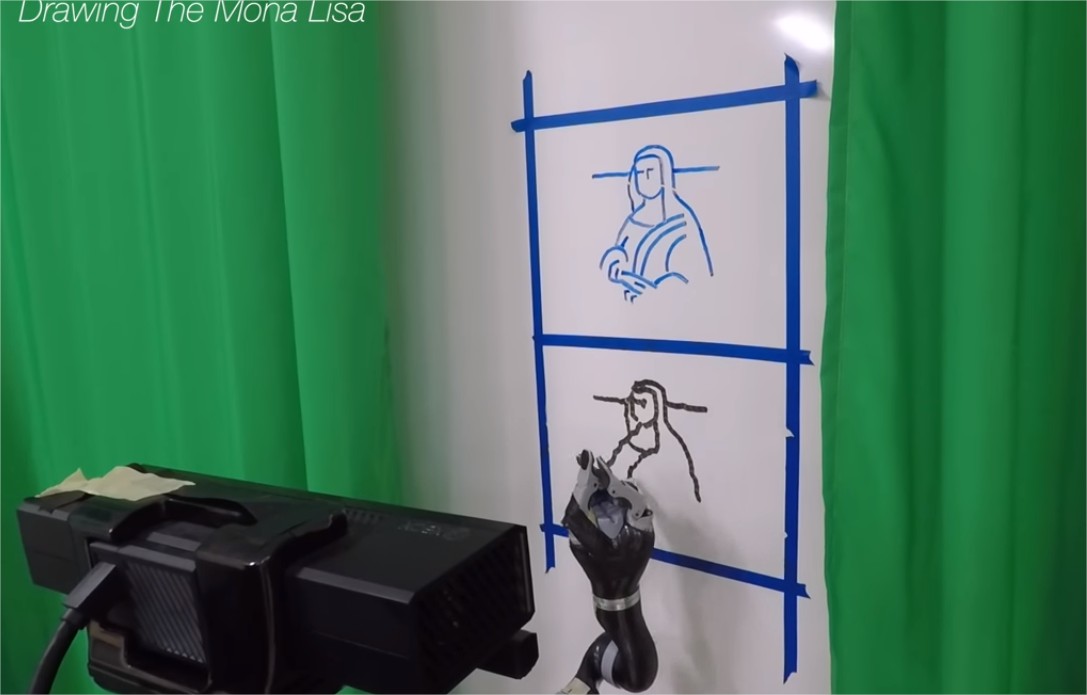
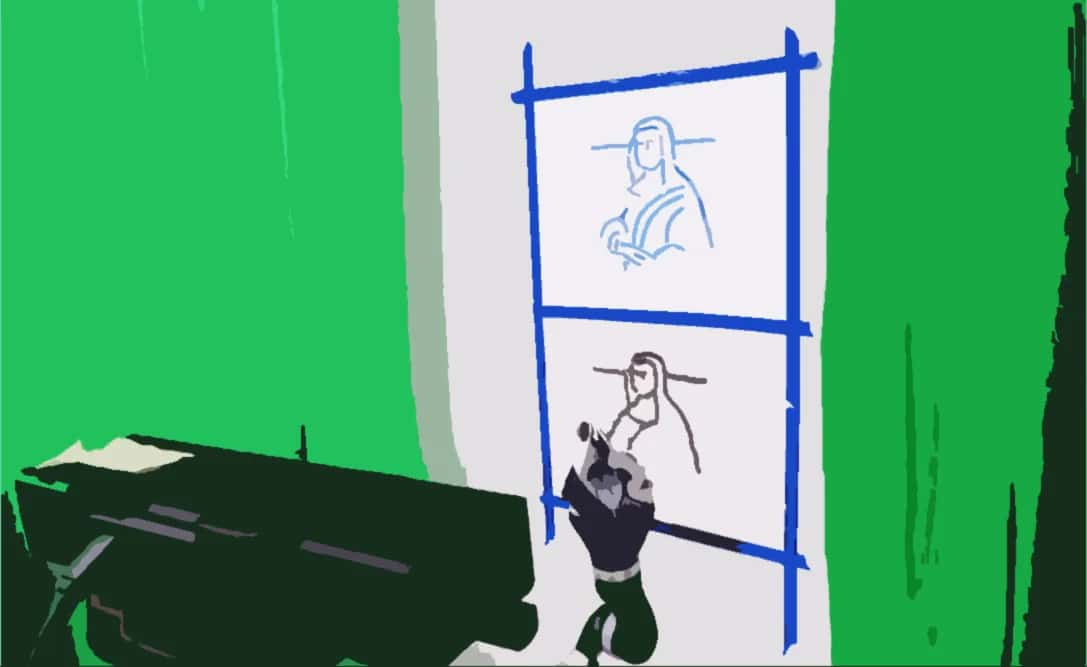
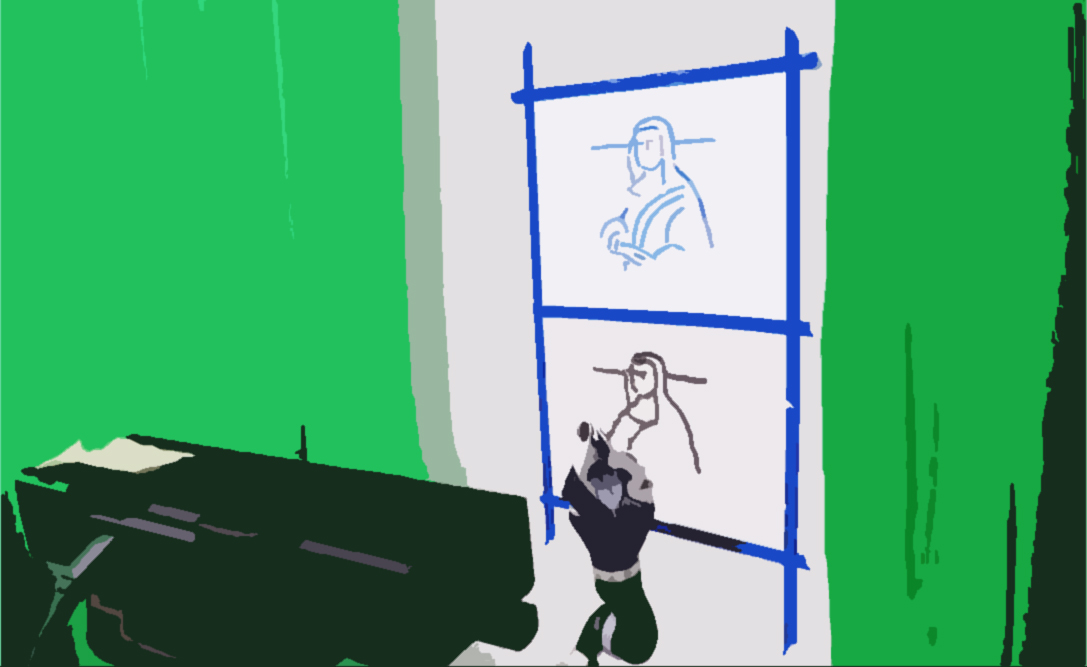
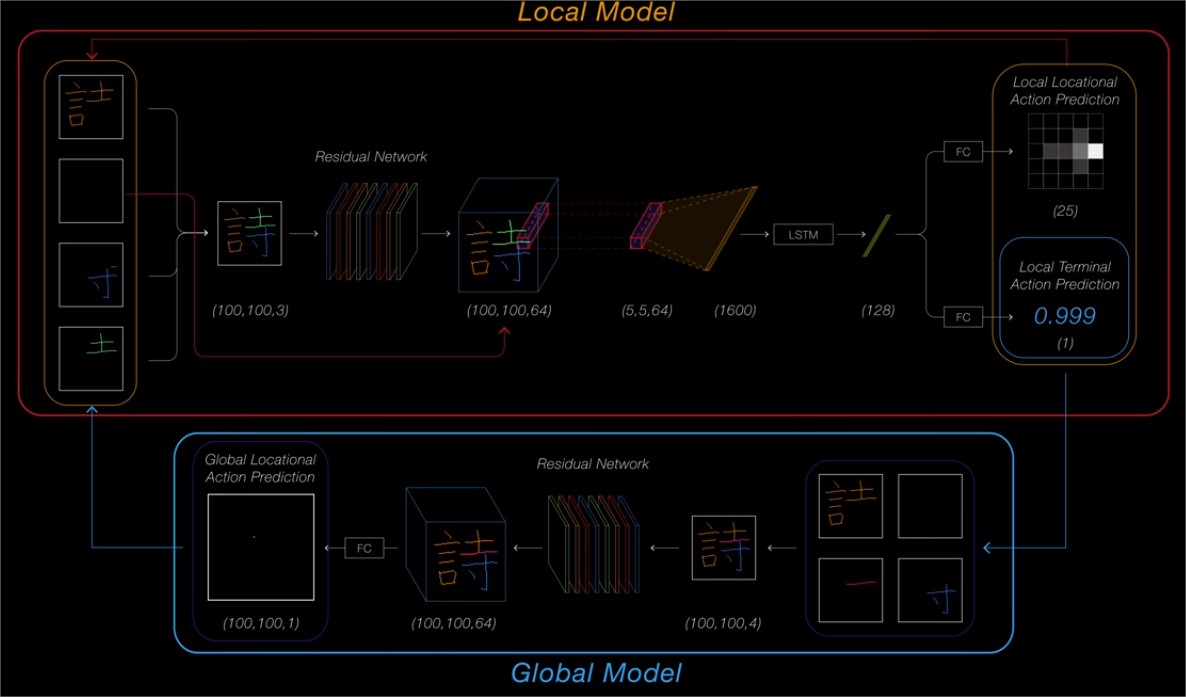
Though GANs have stunned the world with their surrealistic art pieces, AI is still a long way from replicating a human-like writing or drawing skills. Given the complexity of human hand movement not to forget other factors like the speed of each stroke and spacing, it is difficult for a robotic arm to do the job elegantly. To perform these functions efficiently, the research team of Atsunobu Kotani, an undergraduate student at Brown and Stefanie Tellex have devised two separate models: a local model to draw each stroke and a global model to learn the shifting action. The researchers demonstrate a robot that was able to write “hello” in 10 languages that employ different character sets. The robot was also able to reproduce rough sketches, including one of the Mona Lisa. Given an image of just drawn handwritten characters, the robot infers a plan to replicate the image. This method enables the machine to learn in real time and with more ease. Just by observing the target image, the robot arm immediately makes an attempt to draw/write. The researchers behind this project segregate writing into two steps:- A drawing action which draws each stroke, and,
- A shifting action to reach a new point to start
How Does The Network Work
To take action, the following attributes are considered:- Already visited regions
- Current location
- Difference image
- Continuously connected target region
 Source: Paper by Atsunobu Kotani
The algorithm makes use of deep learning networks as discussed above, which analyze images of handwritten words or sketches and can deduce the likely series of pen strokes that created them. The robot can then easily reproduce the words or sketches using the pen strokes it learned as can be seen below.