Key takeaways
- Schizophrenia symptoms can lead to lifelong trauma, highlighting the need for early diagnosis.
- Mental health supervision is crucial, with one in six children in India requiring it.
- AI is effectively used to diagnose schizophrenia with high accuracy in drug-naïve patients.
- Machine learning enhances the interpretation of MRI scans for better understanding of mental disorders.
- Historical focus on basic medical needs has hindered psychiatric research development in India.
 A severe and disabling psychiatric disorder like schizophrenia comes with delusions, hallucinations and cognitive impairments whose symptoms appear bleak in their early stages but have the potential to subject the patient to lifelong trauma. Early diagnosis of schizophrenia and many mental disorders is an ongoing challenge, and clinicians have a tough time comprehending treatment strategy at a personal level to the new patients. These treatments or prescriptions often hover around trial-and-error methods.
According to a noted medical survey in India, every sixth child needs mental health supervision. Though the awareness to focus on psychiatric epidemiology had begun in the mid-‘70s, the campaign was halted mid-way owing to our shift of focus to provide utmost basic medical attention to the economically backward sections of our society. It is understandable that for such a young country, to fund a research in a field like neuroscience, which itself was in its infancy.
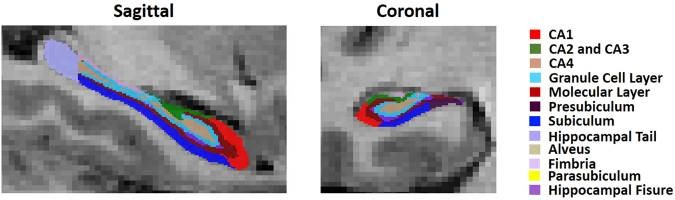
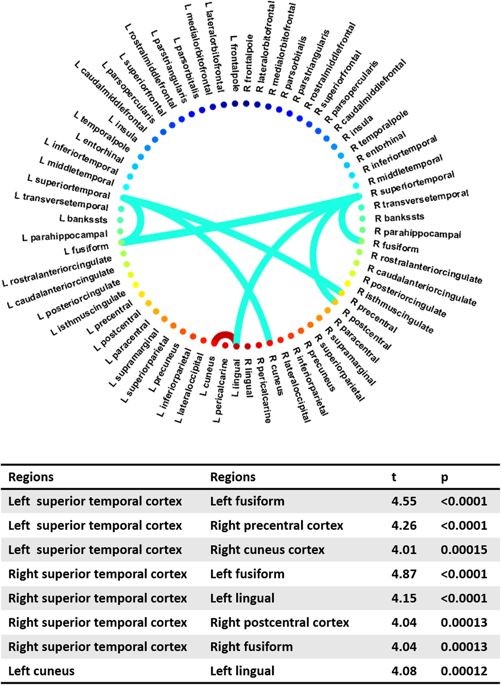
Now, researchers have deployed AI to diagnose schizophrenia in people with recent-onset who are not taking pharmaceuticals for the condition (first-episode drug Naïve (FEDN). The results show that the responses to antipsychotic drugs used to treat schizophrenia can be predicted with 82.5% accuracy. The researchers applied popular machine learning frameworks and architectures to improve the interpretation of their evaluations such as the resolutions of MRI scans or the segregation of the regions of the brain based on signals that assist this specific research.
High-Resolution Spatial Image-Classification with 3D-CNNs:
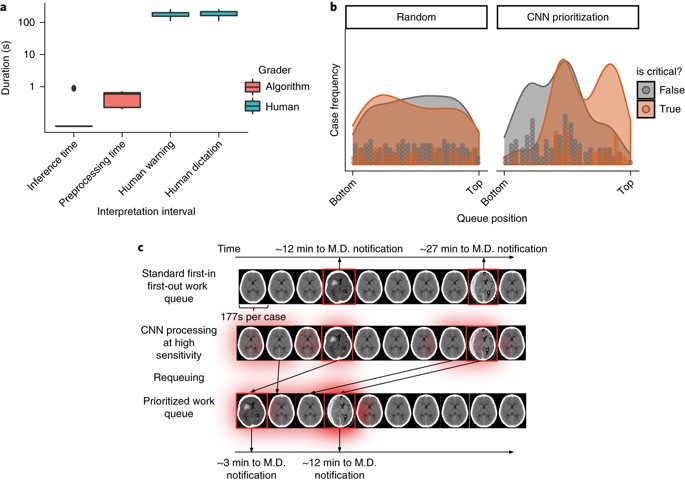
3D convolutional neural networks (3D-CNNs) have primarily been used for supervised classification on 3D modelling and light detection and ranging (LiDAR) data. Now, with computer-aided surveillance of acute neurologic events in cranial imaging, the time to treatment has decreased.
Spotted an error? Tell our editors. Read our editorial standards and corrections.