
5 min
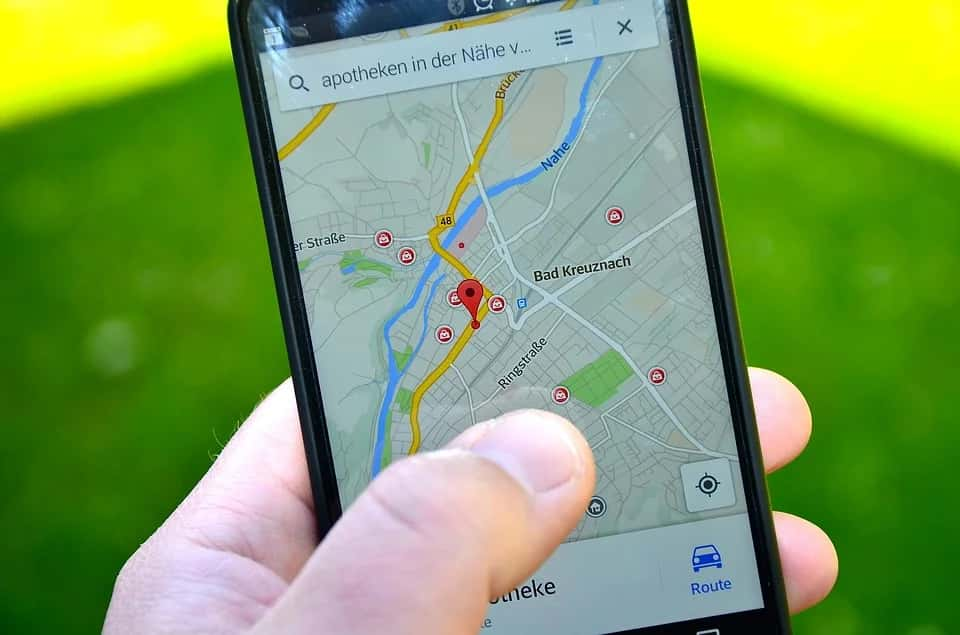
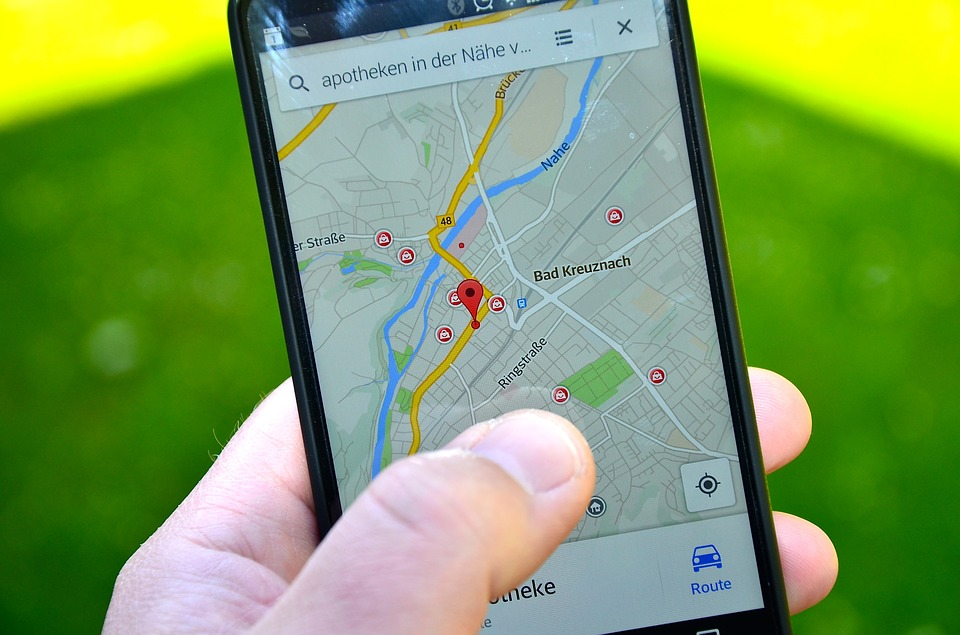 There is no denying the fact that Google Map serves as a common pathfinder for hundreds of millions of people across the globe. However, there is a much darker side to this, because, in essence, Google harvests our data and pushes paid services towards us. Whenever we key in a location, Google’s advertising algorithm chooses which service should be listed first. In fact, our location data is used in multiple ways by Google. For example, it is used to provide an accurate ETA on maps, deliver contextual advertising and supply it to advertisers who can understand consumer behaviour better. Recent reports have suggested that every time we feed in a location on Google Maps, we are in a way, helping improve the engine which is aggregating our data.
How Google Maps Aggregates Our Precise, Location Data
Let us consider a very common use case. You are traveling to a distant location and you search it on Google Maps. It will show you the fastest route. On your way, you decide to eat and you do not know where to find a good restaurant. Again Google Maps comes to the rescue. This time we will have a lot of options to choose from unless you searched for a specific restaurant, Google Map will show you a list of them. The moment you choose one and click on a restaurant, Google will present you with the fastest route, distance, arrival time or rating, among others. This is a common routine for many of us and yet we have no clue how Google Map does it and how they get paid for these services. Here’s how it happens:- Advertising: When you search for a restaurant near you, it may not often be the one that is closest to you that makes it to the top of the list. Instead, Google's advertising algorithm chooses which ones to be listed first. And you know advertising is not free and Google makes use of the huge amount of data that it collects from you and the millions of other users to do this.
- Privacy: Google knows more about you than you do. But the catchy thing is Google does it with your permission. Google Map is always tracking you actively collecting data non-stop. Google uses that data to judge demand for any specific search that a user makes helping it to identify user behaviour and derive business strategies.
- Data: Google makes use of both individual data as well as aggregate data collected from millions of its users. For example, if Google notices a lot of active users moving slowly on a highway, it adjusts the arrival-time estimates. Data is an important asset as it provides more value to the company both in terms of providing market strategies as well as in support for their applications.
- Interconnected Apps: Google, having its own mobile platform that hosts over a billion devices, has its fair share of applications such as weather, chrome etc all of which are interconnected and often share data between them.
- Retailers: By merging mobile phone data with real-time foot traffic, retailers potential customers.
- Employers: They use location data of the employees to reconfigure building layouts to optimize placement of both individuals and teams. It also gives them a way to monitor you.
Outlook
In the end, it's all up to you as a user to think if you are happy to risk all your privacy for the sake of a better service. Are you ok with organizations using your data to come up with better marketing strategies for their business? Well, it sure will benefit you in one way or another but is it worth it. We can not ignore technology and we must not but like all disciplines, technology should have an ethic too.- Why AI is Eating Google Search’s Ad Revenue While Boosting Meta’s
- Anthropic Makes $2.08 in Revenue for Every $1 Spent on Compute — Here’s the Full IPO Story
- OpenAI Says AGI is Here. But Not Everyone is Buying It
- Why Oracle is Bringing Post-Quantum Security to Java
- What Really Happens When You Turn Your Selfie Into a 1980s AI Pic?
- AI Agents Are Making Data Security A Bigger Enterprise Problem