
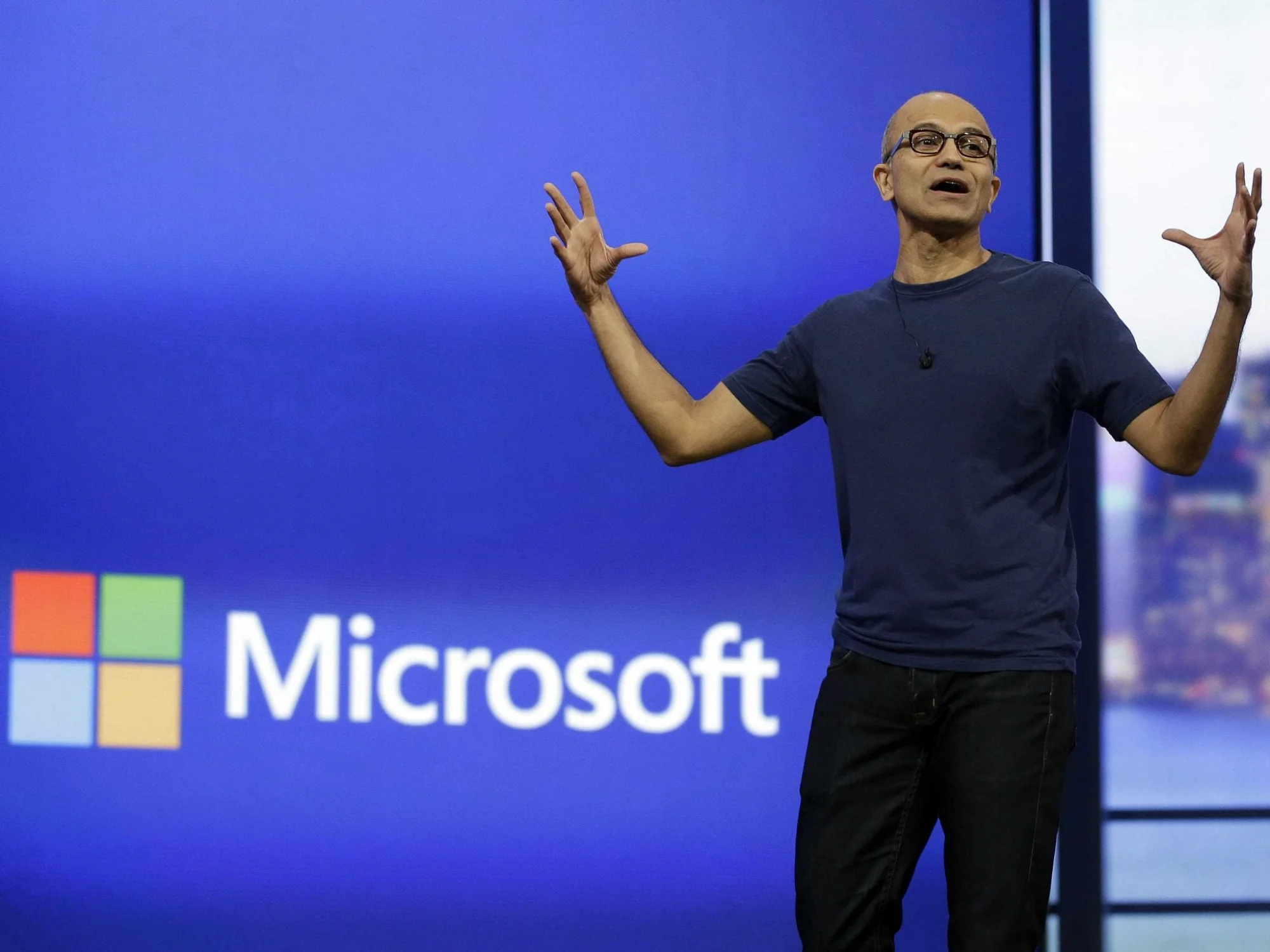
Microsoft’s record investment in artificial intelligence and signs of slowing cloud-computing growth unsettled investors on January 28, sending the company’s shares down 6.5% in after-hours trading, despite quarterly cloud revenue topping $50 billion for the first time.
Investors had hoped for a clearer payoff from Microsoft’s strategic partnership with OpenAI, which plans to spend at least $281 billion with the company and is widely seen as its strongest competitive advantage in the AI race.
While chief executive Satya Nadella has repeatedly stressed that AI remains in the “early innings”, Microsoft has spent more than $200 billion on the technology since the start of its 2024 financial year, testing investor patience.
The software giant reported revenue of $81.3 billion for the quarter, up 17% year on year. Its closely watched Azure cloud business grew by 39%, in line with Wall Street estimates but slightly slower than in the previous quarter.
Microsoft exceeded net income expectations, posting profits of $38.5 billion, or $5.16 per diluted share. Operating income rose 21% to $38.3 billion, also ahead of forecasts.
“We are only at the beginning phases of AI diffusion, and Microsoft has already built an AI business larger than some of our biggest franchises,” Nadella said. “We are pushing the frontier across our entire AI stack to drive new value for customers and partners.”
In its previous earnings report, Microsoft said orders booked by Azure, which includes AI workloads, had “significantly” exceeded available capacity, with revenue expected to rise 38% from a year earlier.
“Our quarterly cloud revenue crossed $50 billion for the first time,” Nadella wrote on LinkedIn. “Less than 10 years ago, our annual cloud revenue was $10 billion. That is what expanding the total addressable market and strong execution look like.”
Yet, investors appeared focused on ballooning capital expenditure, which jumped 66% year on year to $37.5 billion, including finance leases. The issue dominated the earnings call. Keith Weiss, an analyst at Morgan Stanley, said one of the key concerns was that spending was higher than expected while Azure growth was “perhaps a bit slower than hoped”.
Chief financial officer Amy Hood said shortages of AI hardware were limiting how quickly Microsoft’s cloud business could grow, effectively capping Azure’s revenue potential. Azure growth may slow in the current quarter, she warned, even as demand continues to outstrip supply.
Microsoft has been one of the biggest beneficiaries of the AI boom, but investor confidence has cooled in recent months. The company reached a $4 trillion market capitalisation six months ago and beat revenue expectations by 2.9% three months ago, with sales rising 18.4% year on year. Since then, however, the shares have fallen 11% as concerns have mounted over whether vast AI investments will deliver sufficient returns.
Despite those worries, Microsoft has beaten Wall Street estimates in every quarter over the past two years.
Competition is also intensifying in AI-powered productivity tools. Microsoft 365 Copilot faces growing rivalry, including from Anthropic’s Claude Cowork, a desktop AI assistant positioned as a more accessible alternative to Claude Code.
For the first time, Microsoft disclosed core usage metrics for its Copilot products, reporting 15 million paid Microsoft 365 Copilot seats and 4.7 million paid GitHub Copilot subscribers, with strong growth across consumer, productivity, coding and security offerings.

Your reaction