Key takeaways
- Google has launched Edge TPU, a new ASIC product for running machine learning models on mobile and embedded devices.
- The introduction of Edge TPU signifies Google's commitment to enhancing its AI and IoT capabilities.
- Edge TPU supports high-performance AI applications, enabling a seamless transition from cloud to edge computing.
- Google's Cloud IoT Edge software complements Edge TPU, allowing enterprises to train and deploy ML models effectively.
- The shift towards edge processing reflects an evolving landscape in AI hardware, with an emphasis on real-time application.
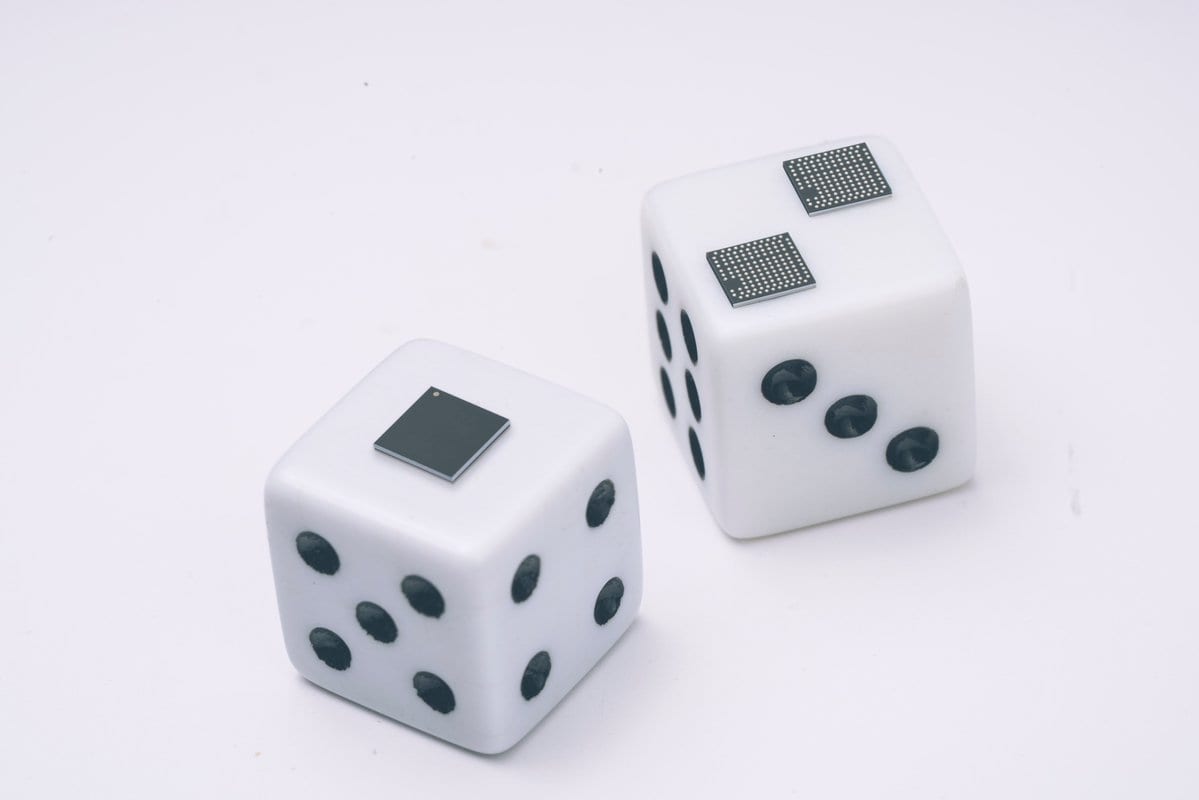 With an aim to introduce artificial intelligence at the edge, Google has introduced their brand new application-specific integrated circuit (ASIC) product. At the recently-concluded Google Cloud Next conference, the company introduced Edge TPU, the ASICs which can run TensorFlow Lite machine learning models on mobile and embedded devices. In what is clearly a sign of Google bolstering its internet of things and AI portfolio, the search engine giant brought TPUs to the edge that enable the deployment of high-accuracy AI. Reportedly, Google CEO Sundar Pichai underscored that ML is a major key differentiator for Google, and that’s true for their Google Cloud customers as well.
Google's newly introduced Edge TPU is a general-purpose chip designed for running high-performance ML applications directly on mobile and embedded devices. It is clear that the Mountain View tech giant aims to strengthen its cloud offerings that complement Cloud TPU and Google Cloud services. With Edge TPU, Google now provides an end-to-end, cloud-to-edge, hardware-plus-software infrastructure for facilitating the deployment of customers' AI-based solutions. This also comes with a new software portfolio Cloud IoT Edge, which means enterprises can train ML models with Google's cloud-based TPUs and deploy and run them directly on an edge-based processor. Cloud IoT Edge is also optimised to run in mobile and embedded systems via operating systems like Linux and Android Things.