
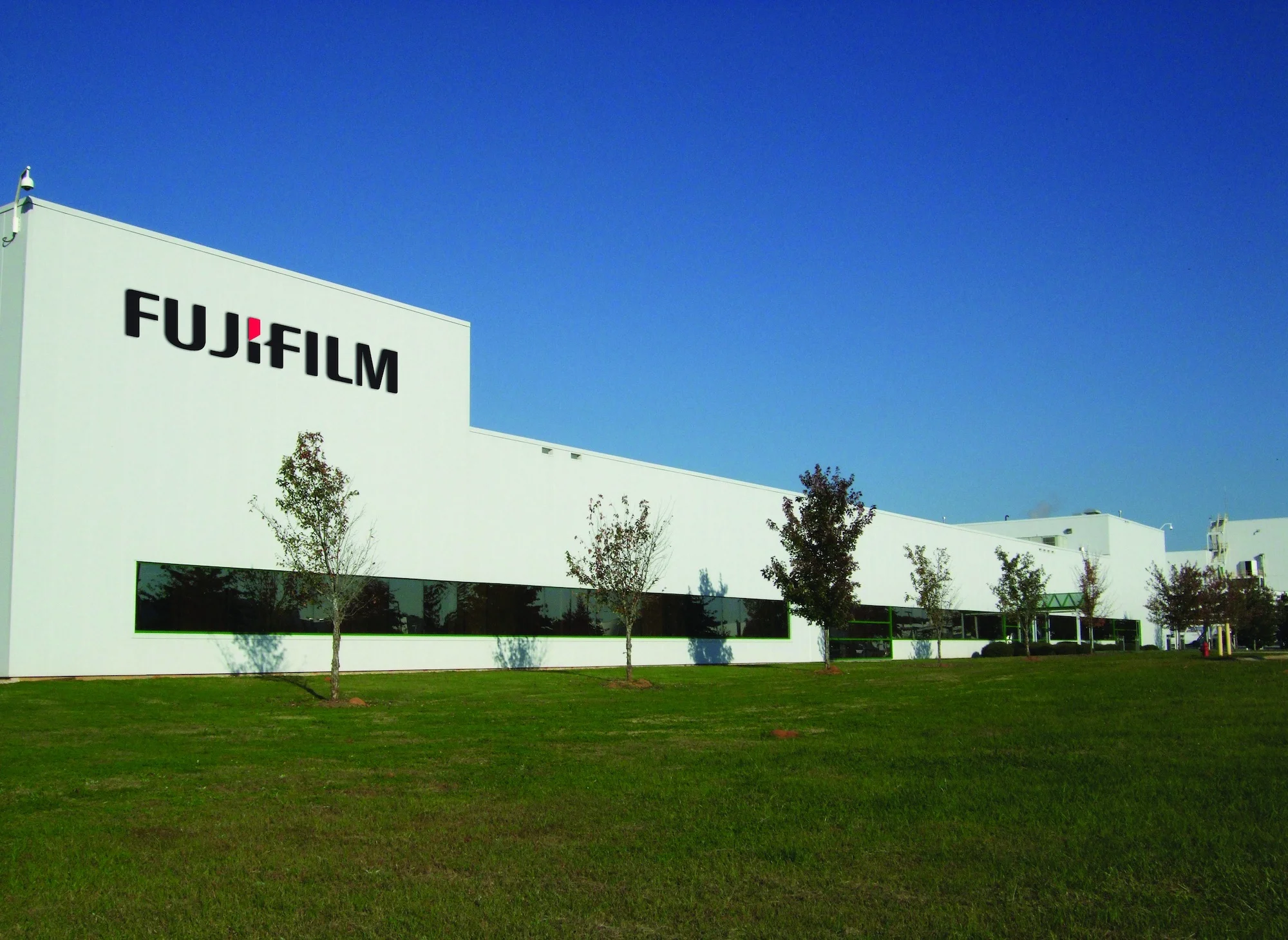
Top-notch image quality has been at the core of Fujifilm's 88-year legacy, but it is not just associated with aesthetic photography. Recently, Fujifilm launched the NURA health screening centre in Gurugram in collaboration with Dr Kutty's Healthcare. With AI-enabled imaging, the NURA centre can correctly test ten common cancers and early signs of leukaemia along with other lifestyle diseases.
The already weakening photo industry took a huge hit during the pandemic and nudged Fujifilm into changing its stance in the industry. In 2021, imaging solutions made up just 13% of the company's revenue, and Shigetaka Komori, CEO of Fujifilm, has been investing heavily in pharmaceuticals as the brand continues to pivot.
In February 2021, Fujifilm opened its first NURA health screening centre in Bengaluru, launching into the health screening service business. NURA utilises Fujifilm's medical devices, capable of providing high-definition images, and medical IT systems based on AI technology designed to help medical practitioners.
Fujifilm has been developing AI technology to assist medical diagnostic imaging, facilitate workflow at the medical frontline, and deliver maintenance services. The company's AI technology in these domains is marketed under the brand name, REiLI.
Fuji's AI brainchild - REiLI
In Japanese, the word REiLI connotes intelligence and resourcefulness. First presented at the European Congress of Radiology (ECR) in 2016, Fujifilm's AI-enabled platform REiLI uses server-side technology to deliver ML algorithms through synapse diagnostic applications to facilitate diagnostic workflows.
Image enhancement
- The AI-enabled noise reduction technology distinguishes between echo signals and noises to provide high-quality images even in difficult cases
- Iterative processing utilises AI technology, controls image quality and provides a high visibility image even at a low radiation dose
- Super-resolution processing suppresses aliasing noises which occur in extended images
Anatomy segmentation
- Brain segmentation can be used for pre-surgery simulation or calculation of the atrophy rate for each region.
- Bone temporal subtraction visualises the bone density temporal difference, highlighting the increase and decrease in CT value.
Detection/Diagnosis
- CAD detects a suspicious rib fracture from CT images which assists in the prevention of overlooking subtle rib fractures.
- COVID CAD identifies suspicious regions with COVID-19-related findings from CT images to diagnose efficiently
Not the only one
Fujifilm has introduced innovations that are disrupting and simultaneously transforming the healthcare sector at a remarkable pace. It all began in 1936 when Fujifilm launched its healthcare business with X-ray film to improve patient outcomes. The company launched the world's first digital X-ray imaging and diagnostic system in 1983.
It continued to innovate and invest in healthcare. Fast forward to 2020, in Italy, Lunit AI was being used through a partnership with Fujifilm. The pandemic crisis brought the need to improve workflow by easing the burden of reading many exams. AI findings integrated into the Fujifilm Synapse platform are used by hospitals for reading radiologic images.
A year ago in 2019, Sony released the user-friendly version of its medical imaging platform NUCLeUS that allows medical practitioners to manage, share and store 4K, HD, SD and 3D video content across hospital networks and improve workflows.
In 2016, Canon Inc. acquired Toshiba Medical, and Canon Medical Systems Corporation was born. In 2021, the company launched its AI innovation brand, Altivity, to redefine the role of AI in healthcare, starting with its Advanced intelligent Clear-IQ Engine.

Your reaction
Discussion
What's your take on this story?
No comments yet — be the first to share your view.