
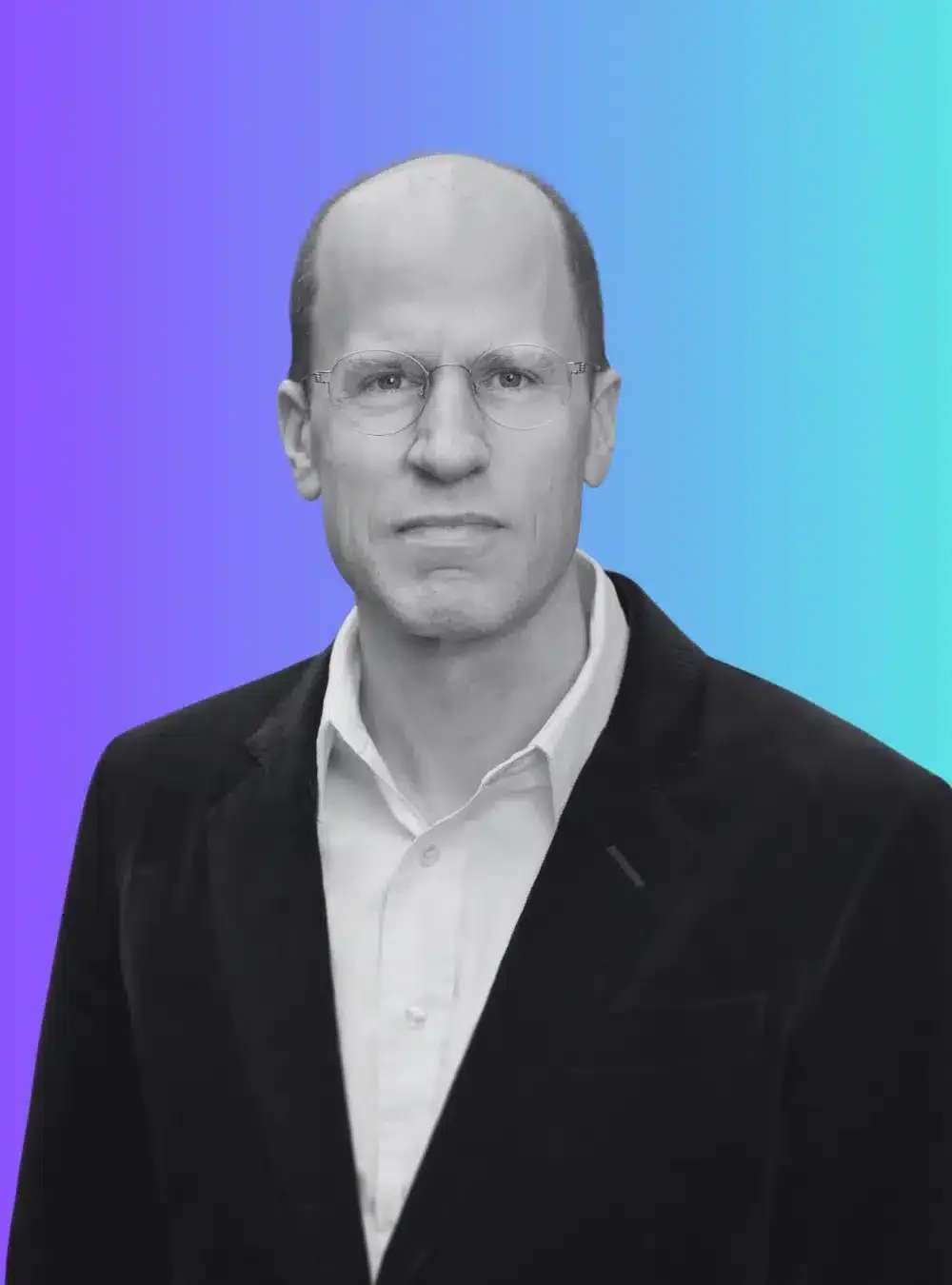
Nick Bostrom, once known for his stark warnings about superintelligent AI threatening humanity, shifted to considering it as a future in which it’s used to do good.
In 2014, with his book Superintelligence: Paths, Dangers, Strategies, Bostrom sounded the alarm on AI, arguing that it could one day evolve beyond our control and potentially wipe us out. His ideas, once niche, captured global attention and stirred intense debate about the future of artificial intelligence.
But in his recent book, Deep Utopia: Life and Meaning in a Solved World, Bostrom flips the script. Instead of revisiting the doom and gloom, he imagines a future where humanity not only builds superintelligent machines but manages to coexist with them—turning potential disaster into a profound opportunity. In this hopeful vision, AI is not a threat but a tool for solving humanity’s greatest challenges, unlocking a new era of prosperity and meaning.
Swedish-born Bostrom’s diverse background spans theoretical physics, computational neuroscience, logic, AI, and philosophy, making him one of the most versatile thinkers of our time. At just under 50, he is the most-cited philosopher in his age group worldwide. As a professor at Oxford University, Bostrom founded and directs the Future of Humanity Institute, where his work continues to shape our understanding of what might lie ahead.
Bostrom has authored over 200 publications and is a repeat TED speaker. He has been interviewed over 1,000 times by a wide range of media outlets and his academic work has been translated into more than 30 languages.