Key takeaways
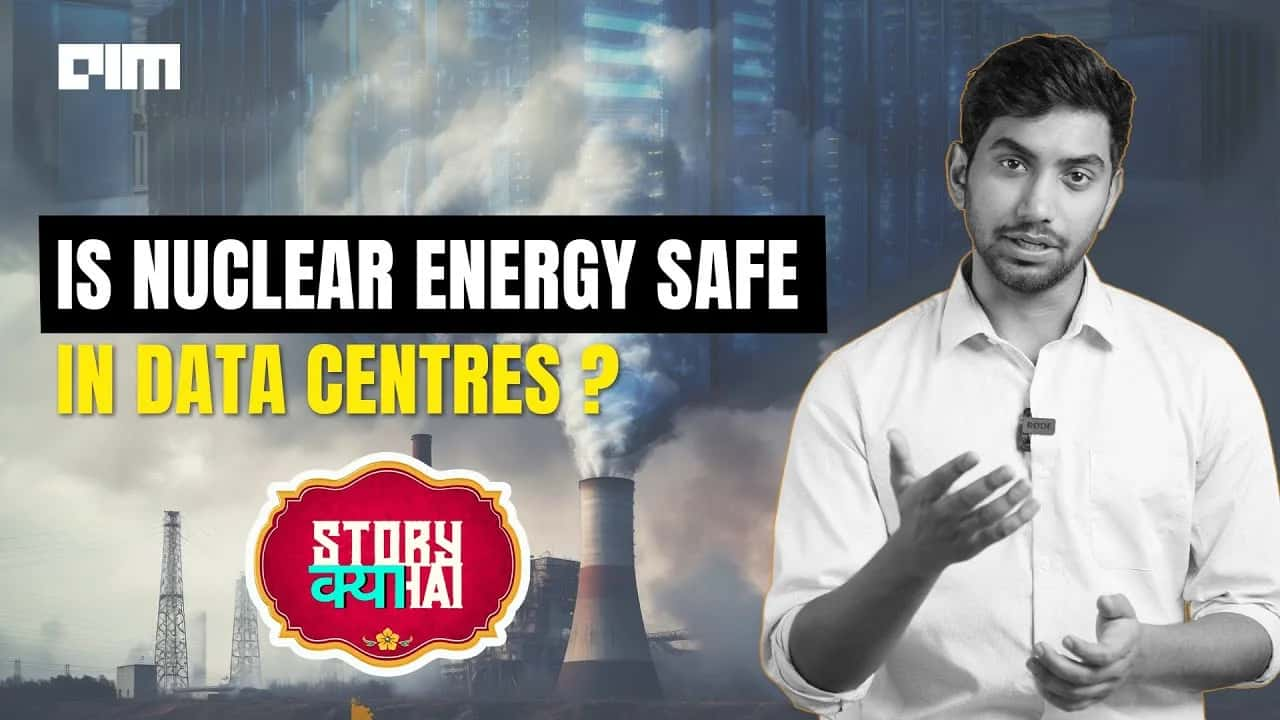
- Data centres are increasingly adopting small modular reactors (SMRs) to meet rising energy demands.
- SMRs provide reliable, carbon-free energy with enhanced safety and reduced waste compared to traditional nuclear plants.
- Despite potential benefits, public concerns and regulatory challenges remain key obstacles for SMR implementation.
- Energy consumption in data centres is projected to nearly double by 2030 due to advancements in AI and 5G.
- SMRs represent a sustainable solution to address the environmental impact of growing technological energy needs.
As data centres' energy consumption is set to nearly double by 2030, driven by AI and 5G, operators are turning to small modular nuclear reactors (SMRs), which use nuclear fission and fusion for reliable, carbon-free energy.
SMRs offer advantages like smaller size, enhanced safety, and less waste compared to traditional nuclear plants. Despite challenges such as public concerns and regulatory hurdles, SMRs show promise as a sustainable solution to power the growing needs of emerging technologies while minimising environmental impact.
Read More: SMR in Data Center