Key takeaways
- Address AI's unsustainable resource demands to prevent environmental degradation.
- Prepare for AI workloads to exceed 50% of data centre power consumption by 2028.
- Integrate sustainability into AI development by prioritizing efficiency over traditional performance metrics.
- Implement standard metrics to quantify AI's environmental impact, such as energy use and carbon emissions.
- Leverage AI technology to create innovative solutions for environmental challenges it generates.
A new white paper from NTT DATA warns that the rapid growth of artificial intelligence (AI) is placing unsustainable demands on the planet’s resources, and calls for immediate action to embed sustainability across every stage of AI development and deployment.
The paper, titled ‘Sustainable AI for a Greener Tomorrow’, which was released on October 29 in Tokyo and London, outlines both the environmental challenges created by AI and the ways the technology can help solve them.
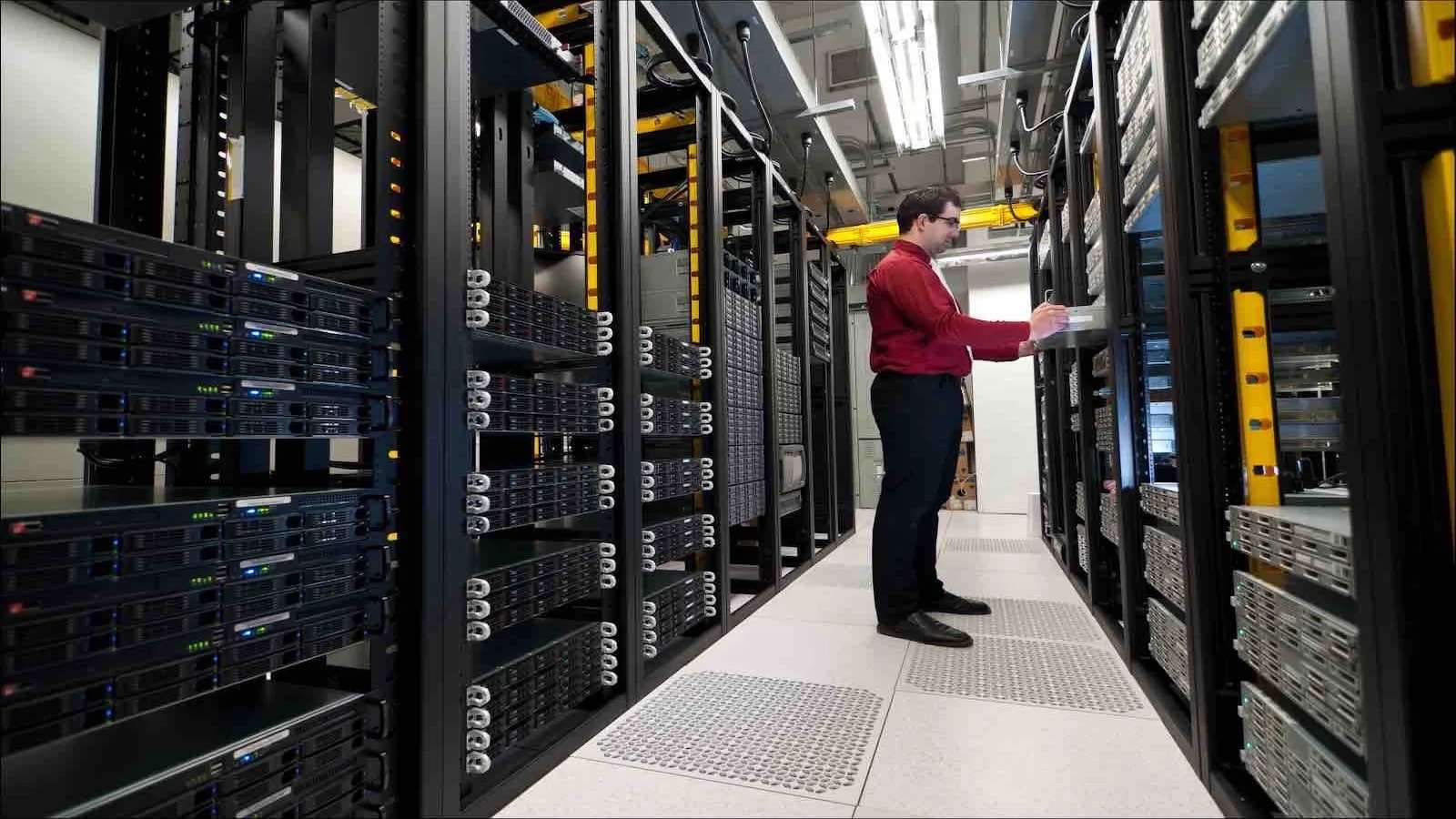
The report stated that AI’s computational needs require enormous amounts of electricity to train large language models, run inference pipelines and maintain always-on services.
Researchers predict AI workloads will account for more than 50% of data centre power consumption by 2028.
In addition to rising energy use, the paper highlights growing water consumption for cooling systems, e-waste generation and the extraction of rare-earth minerals for hardware production.
“The resource consequences of AI’s rapid growth and adoption are daunting, but the technology also can empower innovative solutions to the environmental problems it creates,” David Costa, head of sustainability innovation headquarters at NTT DATA, said.
“AI’s amazing capabilities can help manage energy grids more efficiently, reduce overall emissions, model environmental risks and improve water conservation. It’s vital for organisations to recognise the challenge and build sustainability into AI systems from the start.”
The paper urges organisations to move beyond traditional performance metrics such as accuracy and speed, and to incorporate efficiency and sustainability as core design principles.
Moreover, it calls for standard and verifiable metrics to quantify AI’s environmental impact, including its energy use, carbon emissions and water footprint, with benchmarks such as the ‘AI Energy Score’ and ‘Software Carbon Intensity for AI’.
NTT DATA’s researchers advocate a lifecycle-centric approach to AI, incorporating sustainability from raw material extraction and hardware manufacturing to system deployment and eventual disposal.
This includes extending hardware lifespans, optimising cooling systems and adopting circular-economy principles.
Many organisations focus narrowly on energy use or carbon emissions without considering water use, depletion of rare materials and e-waste. Even when environmental targets exist, few organisations have clear methods to integrate sustainability throughout the AI lifecycle.
To address these gaps, the paper recommends applying green software engineering patterns to reduce resource consumption, running AI workloads in locations and at times that coincide with renewable energy availability, leveraging remote GPU services, and reducing e-waste by prioritising modular, upgradable components and refurbishing or recycling existing hardware.
Spotted an error? Tell our editors. Read our editorial standards and corrections.