
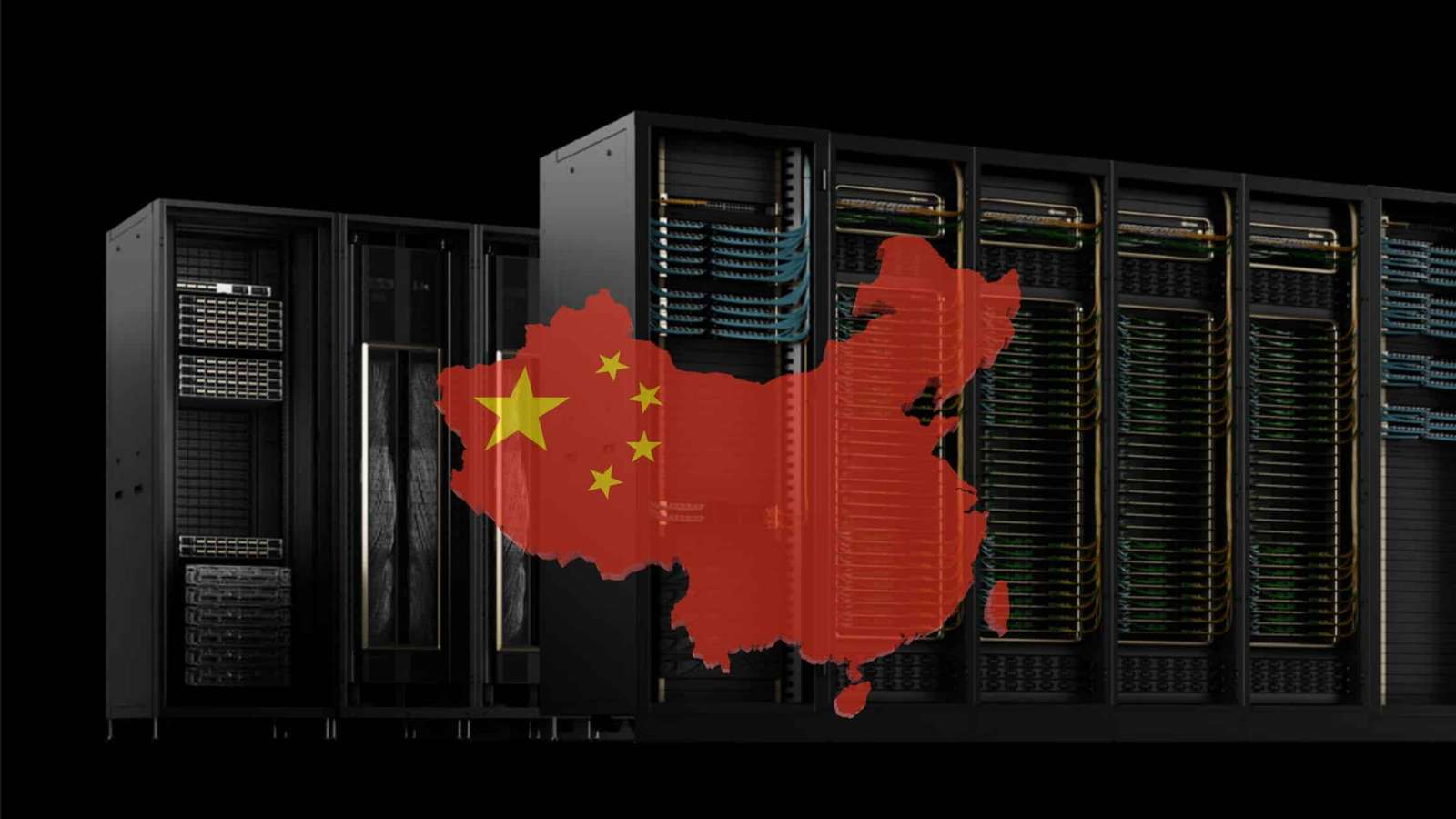
China has introduced new subsidies that halve energy bills for primary data centres using domestic chips, aiming to strengthen its semiconductor industry and reduce reliance on US technology, the Financial Times reported, citing sources.
Local governments in provinces such as Gansu, Guizhou and Inner Mongolia are offering discounts of up to 50% on electricity for facilities that adopt chips made by Chinese firms, including Huawei and Cambricon Technologies.
The move follows complaints from tech giants like Alibaba, ByteDance and Tencent, which have faced higher costs after Beijing restricted access to NVIDIA’s AI chips. The new policy aims to offset the increased electricity consumption of Chinese-made semiconductors, which are less energy-efficient than those made by NVIDIA, according to reports.
The three companies have not yet responded to AIM’s queries.
Local authorities have been competing to attract large-scale data projects by combining power subsidies with cash grants. Some incentives can cover a data centre’s operating costs for about a year.
Industrial electricity prices in these western provinces are already approximately 30% lower than those in coastal China, and the subsidies will further reduce them to around RMB 0.4, or 5.6 US cents, per kilowatt-hour.
By comparison, the average industrial electricity cost in the US is roughly 9.1 cents per kWh, according to the US Energy Information Administration.
Beijing’s latest measures underline its intent to develop a self-sufficient AI and semiconductor ecosystem amid ongoing tensions with the US. According to experts, Chinese chips reportedly consume 30-50% more power than NVIDIA’s models to produce the same computing output.
Huawei has sought to counter this by clustering multiple Ascend 910C chips to enhance performance, though this increases energy usage. Despite such challenges, China’s centralised and relatively greener power grid offers cheaper energy than the US, with no imminent shortage.
- Mphasis Raises FY27 Growth Outlook After 9.2% Dollar Revenue Growth in Q2
- Adobe’s CX Enterprise Coworker Gets Embedded Within Leading AI Platforms
- Sarvam AI Appoints Ex-Google Cloud India MD Sashikumar Sreedharan as President and CBO
- EXL Acquires Aimpoint Digital, Adds 250 AI and Data Experts
- Coforge Joins SpaceX Network to Develop Industry-Specific Grok Applications
- India’s Office Workforce to Reach 48 Mn by 2030 as AI Reshapes Demand: Report