Key takeaways
- Figure AI's humanoid robot successfully walks blind, relying solely on learned control techniques.
- Tests demonstrate the robot's mobility is improving, with performance nearing superhuman levels.
- Helix walking controller aims to enhance the robot's adaptability in various environments.
- The robot can already perform basic tasks like loading laundry and sorting items.
- Future upgrades may include advancements powered by NVIDIA, though release dates remain undisclosed.
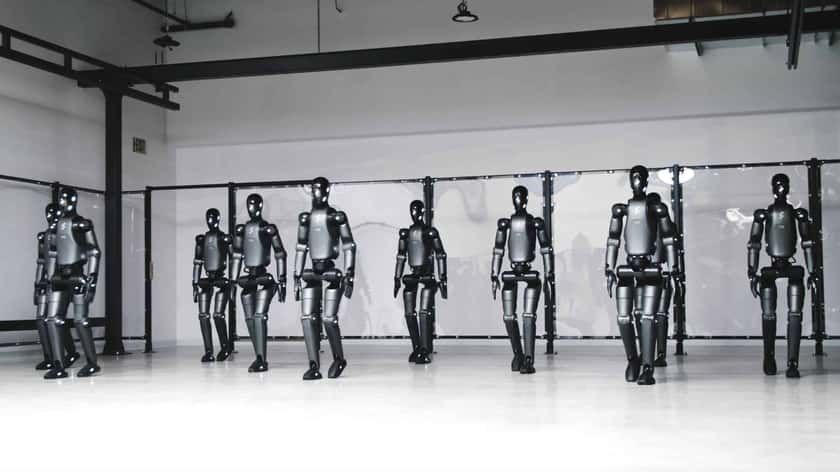
Figure AI, the California-based robotics company, has begun testing a new Helix walking controller on its humanoid robot. Founder Brett Adcock announced on X that the trial focuses on improving the robot’s walking ability, which has been trained using reinforcement learning.
Adcock said the tests showed the robot moving “unstoppable” even without the use of cameras. “We’ve been focusing on making our walking trained, through reinforcement learning, more robust,” he wrote. He added that in some cases, the robot’s performance was “starting to reach superhuman levels.”
Testing out the new Helix walking controller. it’s unstoppable pic.twitter.com/ZwFjnA1hRJ
— Brett Adcock (@adcock_brett) August 20, 2025
Figure 02 can already walk fluidly and perform fundamental tasks like loading laundry into a washing machine or sorting items on a conveyor. Adcock also recently hinted at an upcoming upgrade to Figure, potentially to be powered by NVIDIA.
These tests are notable because the robot was walking blind (without cameras), relying only on learned control rather than visual input. This approach aims to make the robot’s mobility stronger in varied conditions. Figure AI has not disclosed when the Helix controller might move beyond the testing phase.
In March this year, the company announced its aim to enhance the robot’s adaptability for industrial and domestic applications by mimicking natural human locomotion. The innovative approach compresses years of simulated training into hours.
The simulated training process included thousands of virtual humanoids in parallel under varied physical parameters and scenarios. These scenarios were changes in terrain, actuator dynamics, and external disturbances like trips or slips.
Figure had announced Helix, its Vision-Language-Action (VLA) model that allowed humanoid robots to perform complex tasks using natural language, in February this year. Around the same time, tech giants Meta and Apple also expressed plans to scale into developing humanoid robots.
Spotted an error? Tell our editors. Read our editorial standards and corrections.