Key takeaways
- Ford will launch an AI assistant in its smartphone app in early 2026, expanding to vehicles by 2027.
- Next-gen BlueCruise system will be 30% cheaper and more capable, debuting in 2027 on a new EV platform.
- Ford aims for eyes-off driving by 2028, supporting point-to-point autonomy similar to Tesla's technology.
- The AI assistant will utilize Google Cloud and vehicle-specific data for real-time inquiries.
- Ford's presence at CES marks a shift from large-scale reveals to smaller, focused announcements.
Ford Motor Company reportedly plans to launch an AI-powered digital assistant and a more advanced, lower-cost version of its BlueCruise driver-assistance system, making it one of the few major automaker announcements at the 2026 Consumer Electronics Show (CES).
TechCrunch reported that the AI assistant will debut in Ford’s smartphone app in early 2026, before expanding into vehicles in 2027. Built using off-the-shelf LLMs and hosted on Google Cloud, the assistant will have deep access to vehicle-specific data, allowing it to answer both general and real-time queries, from load capacity questions to details such as oil life and vehicle status.
Ford shared the update during a smaller “Great Minds” speaker session at CES, rather than a headline keynote, underscoring a shift from the late 2010s when automakers dominated the show with large-scale product reveals.
While the company did not give the full details of the in-car experience, the planned integration positions Ford alongside more tech-forward rivals.
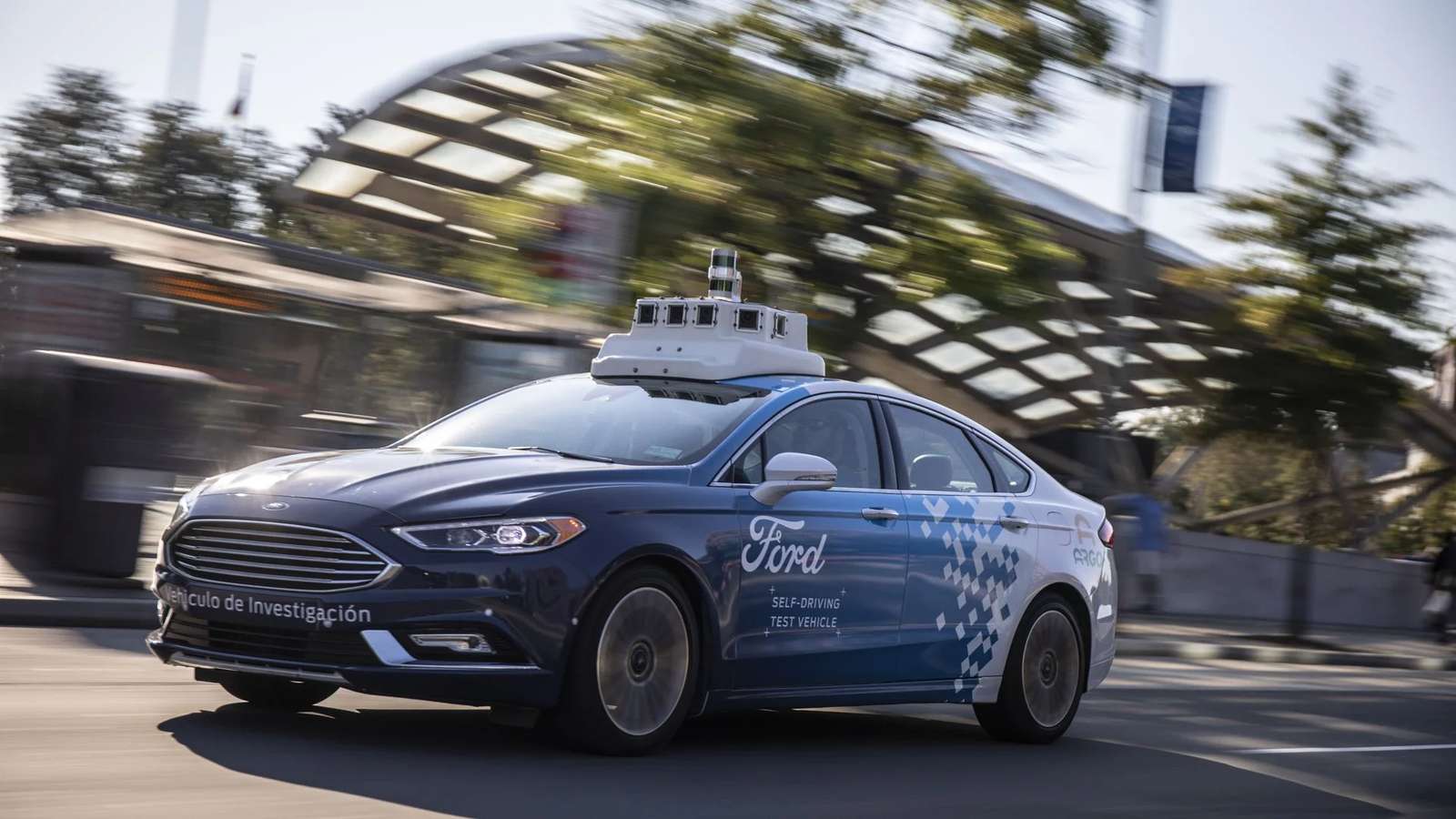
Alongside the AI assistant, Ford teased a next-generation version of its BlueCruise advanced driver-assistance system. The company said the new system will be about 30% cheaper to manufacture and more capable than the current version. It is expected to debut in 2027 on the first electric vehicle built on Ford’s low-cost “Universal Electric Vehicle” platform, anticipated to be a mid-sized pickup truck.
Ford also outlined its longer-term ambitions for BlueCruise, including enabling eyes-off driving by 2028. The system is expected to support “point-to-point autonomy,” similar to Tesla’s Full Self-Driving (Supervised) offering and systems being developed by Rivian. As with rival technologies, drivers will still be required to remain alert and ready to take control at any time.