
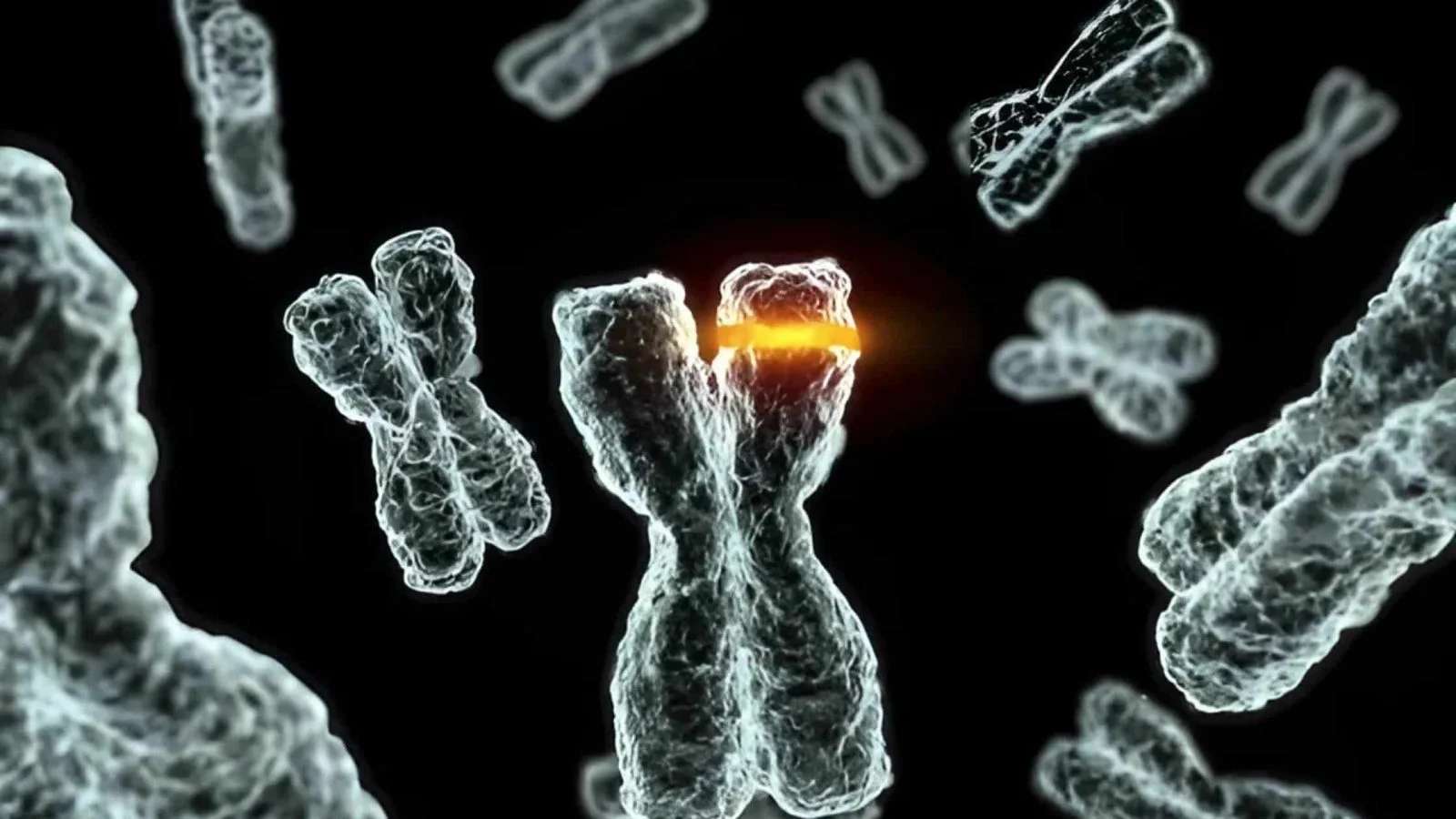
Google DeepMind, in collaboration with Yale University, has announced Cell2Sentence-Scale 27B (C2S-Scale), a 27-billion-parameter foundation model built to understand the language of individual cells.
“C2S-Scale represents a new frontier in single-cell analysis,” DeepMind researchers said in a statement. The model, part of DeepMind’s open Gemma family, marks a significant advance in the use of large-scale AI for biomedical research and has already yielded a tangible breakthrough in cancer biology.
In a blog post, the research team reported that C2S-Scale generated a novel hypothesis about cancer cell behaviour, later confirmed through lab experiments. This finding reveals a new way to make “cold” tumours visible to the immune system, potentially improving the effectiveness of immunotherapy.
A significant challenge in cancer treatment lies in the fact that many tumours evade immune detection. C2S-Scale was tasked with finding a “conditional amplifier” drug, one that would strengthen immune signals only in specific environments where immune activity was already present but insufficient.
The model ran virtual simulations of over 4,000 drugs under different immune contexts, identifying potential candidates that could selectively boost antigen presentation.
Among the top predictions was silmitasertib (CX-4945), a kinase CK2 inhibitor. The AI predicted that silmitasertib would amplify immune signalling only when low levels of interferon — a key immune molecule — were present. Laboratory experiments confirmed this prediction: combining silmitasertib with low-dose interferon increased antigen presentation by nearly 50%, making tumour cells more visible to immune attack.
Yale’s research teams are now expanding the study to explore how such AI-predicted mechanisms could generalise across different tumour types and immune contexts. With further validation, this approach could pave the way for faster drug discovery and more personalised cancer immunotherapies.
- ReNew Pledges ₹80,000 Cr for Green Data Centre to Fuel India’s AI Push
- Mars Opens Hyderabad GCC With Genpact to Expand Digital, AI Capabilities
- Shield AI Opens Bengaluru Engineering Office to Build Defence Autonomy Software
- Adobe, Google Expand AI Partnership Across Creative and Productivity Tools
- Google Launches Gemini 4 Hydrogen for Faster Coding and AI Workflows
- Kalshi to Develop Trading Platform for Compute Futures: Report