
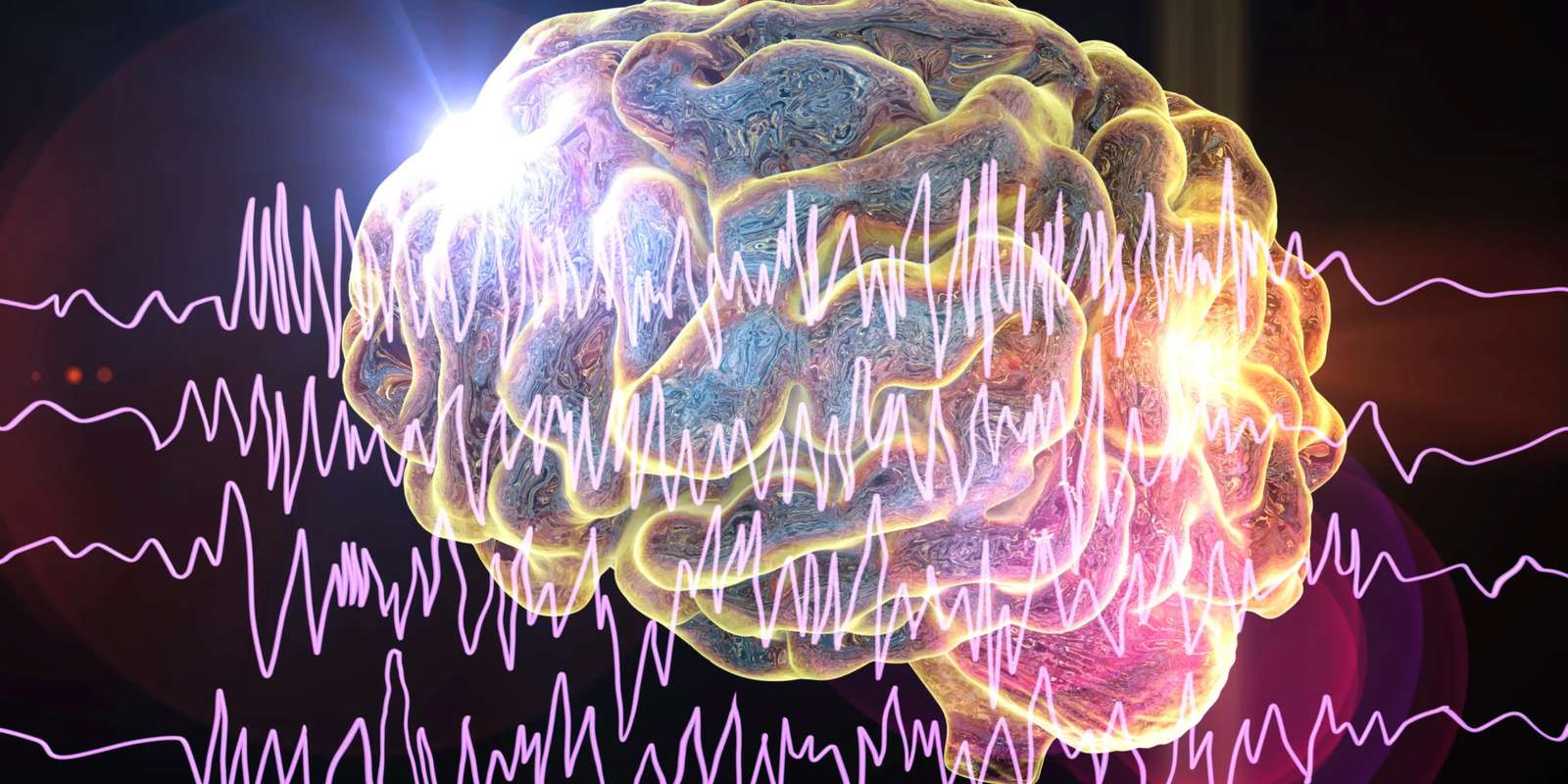
A new algorithm can now help identify the type and occurrence of epilepsy, thanks to the researchers of Indian Institute of Science (IISc) and AIIMS Rishikesh. According to the press release, this new breakthrough is set to play a vital role for an efficient and automated screening and diagnosis of the disease.
Epilepsy is a neurological disorder where a sudden burst of electric signals is released by the brain in a short period of time. This may cause fits, seizures, or may even result in death.
The disease is classified as ‘focal’ or ‘generalised’—based on the origin of the erratic signals produced in the brain. Focal epilepsy occurs when the signals are confined to one specific region whereas generalised epilepsy is confined to random locations in the brain. Neurophysiologists must manually inspect EEGs (electroencephalograms), which is used to capture erratic signals and identify whether a patient is epileptic.

Source: Detecting seizures and interpreting EEGs, the direct algorithmic way, IISc
Assistant Professor, Department of Electronic Systems Engineering (DESE) and corresponding author Hardik J Pandya claims that visual inspection of EEGs could become burdensome or exhausting after prolonged periods, and may also lead to errors. “The research aims to differentiate EEG of normal subjects from epileptic EEGs. Additionally, the developed algorithm attempts to identify the types of seizures. Our work is to help the neurologists make an efficient and quick automated screening and diagnosis,” said the professor.
According to the researchers, in their study, the team developed a novel algorithm that sifts through EEG data and identifies signatures of epilepsy from the electrical signal patterns. After the initial training, the algorithm was used to detect whether the subject could have the disease—based on the patterns of their respective analyses—with a high degree of accuracy.
Rathin K Joshi, a PhD candidate at DESE says, “We hope to refine this further by testing on more data to consider more variabilities of human EEGs until we reach the point where this becomes completely translational and robust.”
At present, a patent has been filed for the work, along with physicians at AIIMS Rishikesh testing the developed algorithm for its reliability.
- Amazon Warns Engineers Against AI Productivity Traps in Latest Memo
- Gnani AI Launches Prisma v3.0 Speech Recognition Model for 10 Languages
- Venttup Raises $3 Million To Expand Precision Manufacturing
- Articul8 Launches Bivia To Help Enterprise AI Agents Make Decisions
- NVIDIA Launches Open-Weight Transcription Model for 40 Languages
- Sarvam AI Rolls Out Indus Cowork to 2,500 Maharashtra Govt Officials