Key takeaways
- Launch AI-powered Advanced Traffic Management System for safer highways in Delhi.
- Utilize 110 high-resolution cameras for continuous traffic monitoring and incident detection.
- Implement real-time speed notifications and variable message signboards for improved driver awareness.
- Central Command Centre coordinates rapid responses to traffic incidents and emergencies.
- Enhance traffic law enforcement through AI-enabled monitoring of violations like speeding and seatbelt use.
India launched an advanced traffic management system (ATMS) project on Wednesday at Delhi’s Dwarka Expressway to create smarter and safer highways, according to media reports.
The framework, created by the Indian Highways Management Company Ltd (IHMCL) and supervised by the National Highways Authority of India (NHAI), adheres to the NHAI guidelines 2023 to develop smart and secure roadways.
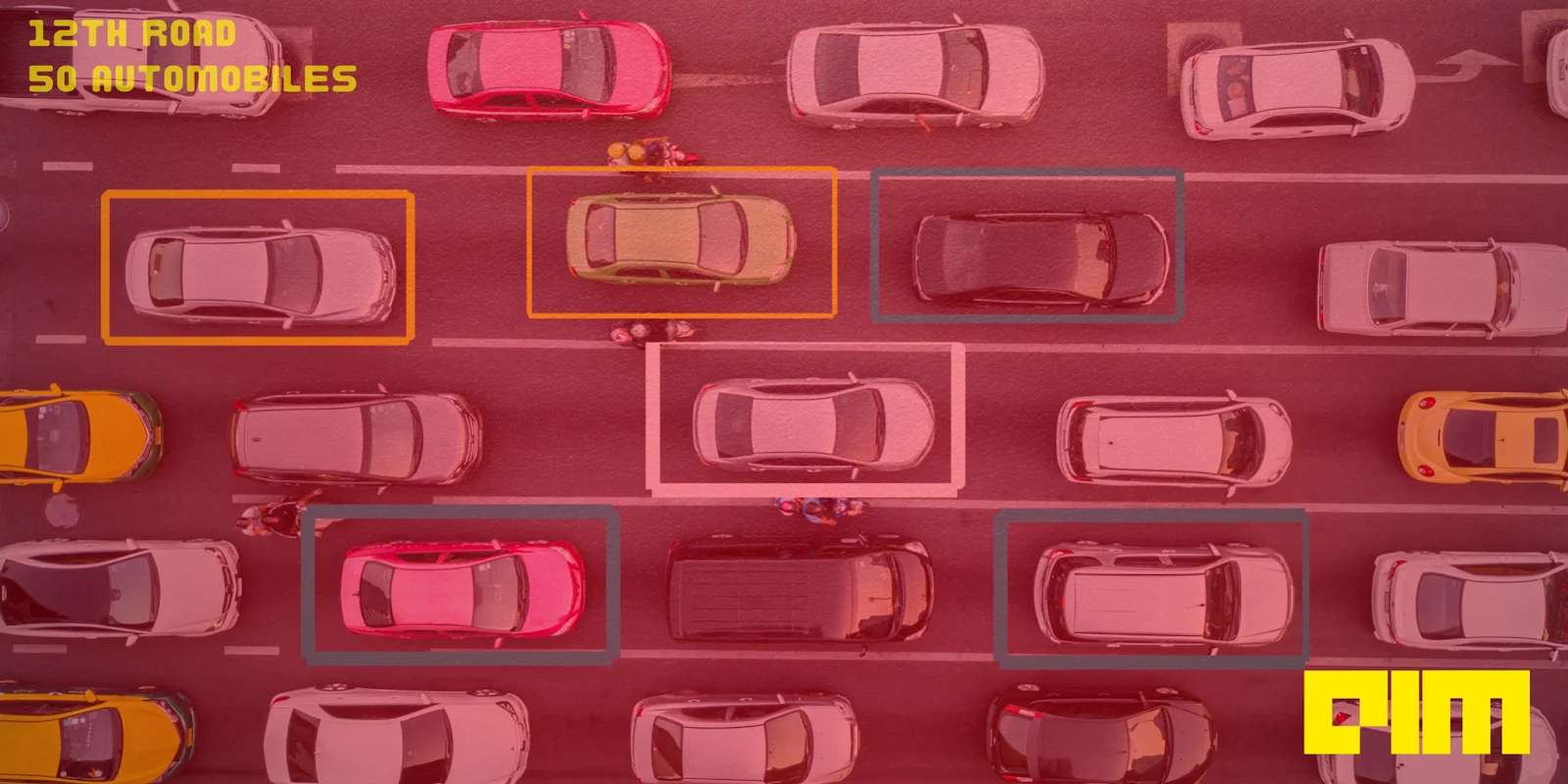
Central to this system are state-of-the-art technologies that leverage AI for traffic monitoring and management. The infrastructure includes the Traffic Monitoring Camera System (TMCS), which employs 110 high-resolution PTZ cameras spaced 1 kilometre apart for constant surveillance.
Additionally, the Video Incident Detection & Enforcement System (VIDES) detects traffic offences, while Vehicle Actuated Speed Displays (VASD) offer real-time speed notifications to motorists.
Variable Message Signboards (VMS) provide ongoing traffic information and safety guidelines. All these systems are overseen by a Central Command Centre, which orchestrates responses to incidents such as crashes, fog, and animal crossings, ensuring effective traffic control.
The Command Centre is the highway's "digital brain," enabling authorities to respond swiftly to emergencies like collisions, fog conditions, or road obstructions. This system is connected to NIC’s e-challan portal, facilitating the automatic reporting of traffic offences to law enforcement.
Violations like speeding, not wearing seatbelts, and riding with multiple passengers can now be monitored through AI-enabled cameras, enhancing both enforcement and data collection.
Amrit Singha, chief product officer at IHMCL, mentioned that this system identifies breaches and encourages public education on road safety, according to reports.
The NHAI views this initiative as a model for future smart highways in India. With faster response times and AI-driven decision-making, the ATMS is a major step towards safer and more efficient road travel.
According to the Financial Express, Pune's public transport systems are using smart cameras to monitor drivers for drowsiness, distraction, and speeding through signals. These cameras analyse data on driving patterns, brake pressure, and blink frequency to identify risky behaviours.
Similarly, the Bengaluru-Mysuru Expressway also uses an AI-driven ATMS to enhance road safety and traffic control. It features AI cameras, Automatic Number Plate Recognition, and real-time monitoring to identify violations and manage incidents.