Key takeaways
- Johns Hopkins APL partners with Microsoft to enhance robotics and materials discovery using AI.
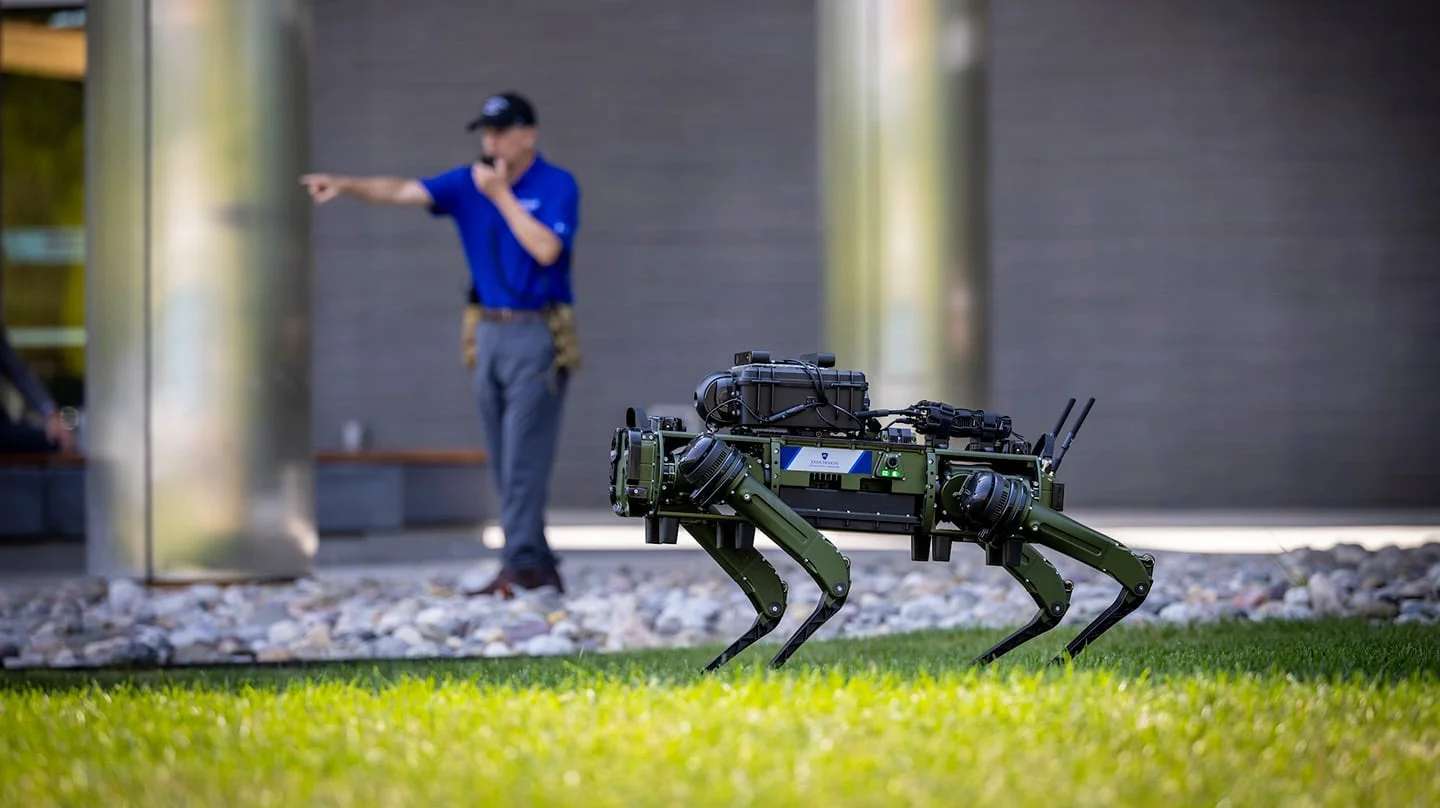
- Develop autonomous robotic teams capable of operating independently from human intervention.
- Utilize Microsoft's MatterGen model to predict and develop novel superconducting materials.
- Aim to reduce reliance on rare earth elements and mitigate supply chain vulnerabilities.
- APL researchers will provide feedback to improve the capabilities of Microsoft's generative AI models.
The Johns Hopkins Applied Physics Laboratory (APL) and tech giant Microsoft have entered into a collaboration to advance robotics and materials discovery using AI.
This partnership, announced on Wednesday, seeks to leverage AI for two research and development projects. The collaboration will focus on creating autonomous robot teaming systems and enhancing materials discovery.
Bart Paulhamus, chief of APL’s Intelligent Systems Centre, said, “This is all about accelerating our impact. By combining cutting-edge AI technologies with our expertise in mission-driven pioneering research, we will continue to drive transformative impact on our nation’s toughest challenges.”
APL researchers will use Microsoft’s generative AI models to create robotic teams that can operate independently without regular human intervention. Additionally, APL is testing MatterGen, a generative AI model from Microsoft Research, to predict and develop novel oxide superconducting materials.
This research could lead to discovering new materials that reduce reliance on rare earth elements or provide alternatives to critical materials vulnerable to supply chain disruptions.
In the body of the collaboration, APL will provide feedback to refine MatterGen’s capabilities through the MatterGen Research Access Program.
The expertise developed for superconductors could also be applied to other materials challenges. This partnership reflects APL’s commitment to advancing AI-driven solutions for mission-critical applications in robotics and materials science.
Last year, Microsoft inaugurated its first AI and robotics research and development centre in Tokyo, Japan. The announcement was a strategic move to strengthen the giant’s global AI footprint by leveraging Japan’s expertise in robotics and engineering.
The new lab, which was named Microsoft Research Asia Tokyo, aimed to integrate AI into practical applications across industries, including manufacturing, healthcare, and societal solutions.
Additionally, in May 2024, the company also announced a collaboration with Vancouver-based AI and robotics company Sanctuary AI, which is on a mission to create the world’s first human-like intelligence in general-purpose robots.
Sanctuary AI would use Microsoft Azure’s cloud resources for the AI workload, and collaborate to boost AI R&D. Further, Azure infrastructure was to be used for training, inference, networking and storage.
Spotted an error? Tell our editors. Read our editorial standards and corrections.