Key takeaways
- Boost education spending to ₹1.4 lakh crore for FY27, focusing on skill development.
- Establish AVGC labs in 15,000 schools and 500 colleges to foster creative skills.
- Support five university townships near industrial corridors for STEM and research.
- Enhance women's access to higher education with viability gap funding and girls' hostels.
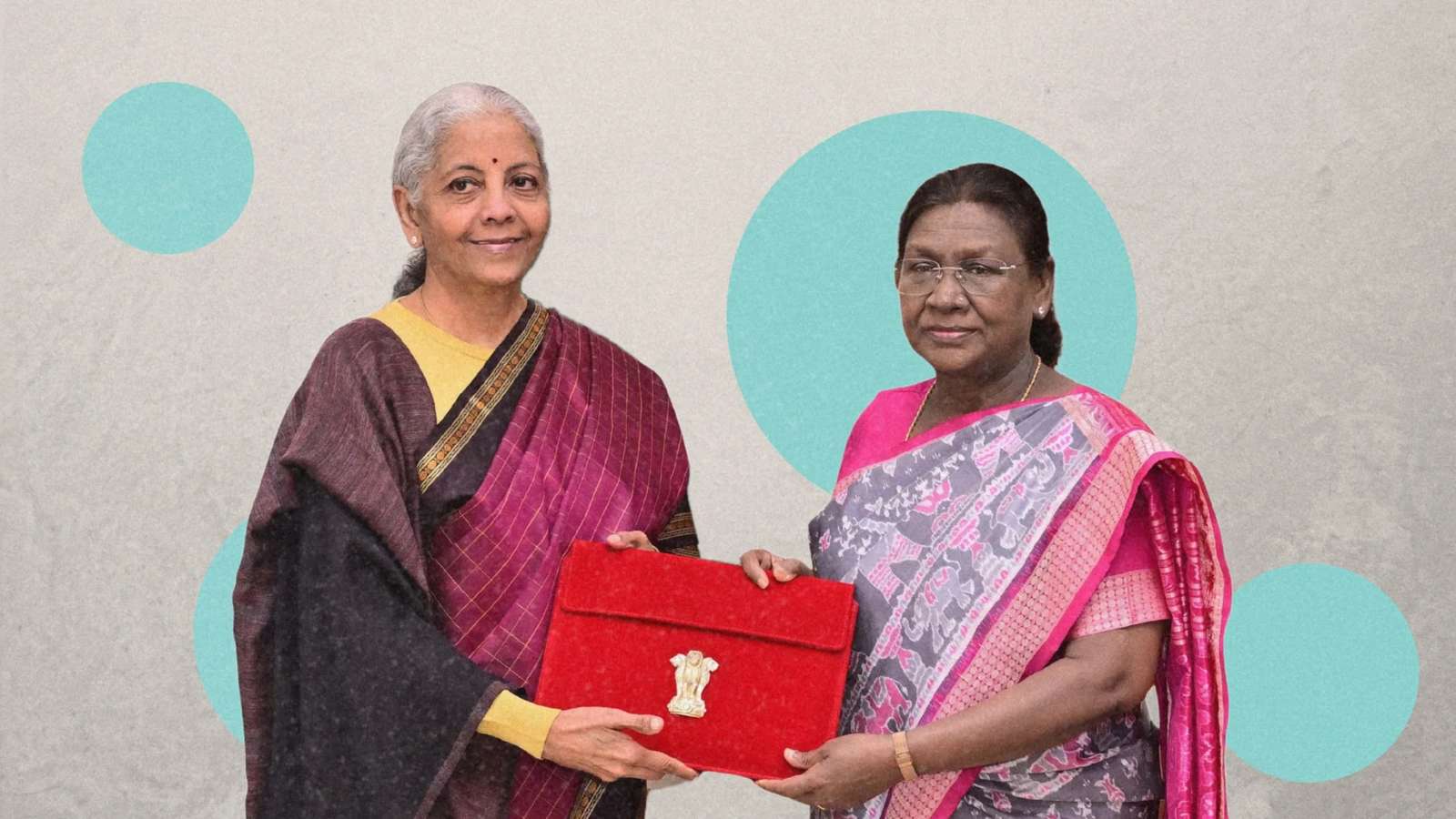
The Union Budget 2026 sharpened its focus on education, creative skills, tourism and women’s participation, with finance minister Nirmala Sitharaman announcing a series of institution-building and skilling initiatives to align learning with industry demand.
As part of a push to expand India’s animation, gaming and digital content ecosystem, Sitharaman announced government support for the Indian Institute of Creative Technologies (IICT), Mumbai, to set up AVGC (animation, visual effects, gaming and comics) content creator labs in 15,000 secondary schools and 500 colleges across the country.
In higher education, the Centre will support states through a challenge-based route to create five university townships near major industrial and logistics corridors. These planned academic zones will host multiple universities, colleges, research institutions, skill centres and residential facilities, with a strong emphasis on STEM education, extended laboratory access and collaborative research, the finance minister said.
To improve access for women students, Sitharaman announced viability gap funding (VGF) and capital support to address financial constraints in higher education infrastructure. She added that one girls’ hostel will be established in every district.
The announcements come as the education budget has been scaled up to nearly ₹1.4 lakh crore for FY27, from ₹1.2 lakh crore budgeted for the previous fiscal year. Key allocations include over ₹6,000 crore for the PM SETU (Pradhan Mantri Skilling and Employability Transformation through Upgraded ITIs) mission and ₹32,000 crore for Atal Tinkering Labs, reinforcing the government’s emphasis on early-stage innovation and skills.
At the same time, the PM Internship Scheme, announced last year with an outlay of ₹10,000 crore, has utilised only about ₹500 crore to date, highlighting implementation gaps.
Tourism And Hospitality Push
Calling tourism a major driver of jobs, forex earnings, and local economic growth, the finance minister proposed setting up a National Institute of Hospitality by upgrading the National Council for Hotel Management and Catering Technology. The institute will function as a bridge between academia, industry, and the government, she said.
A pilot upskilling programme will train 10,000 tourist guides across 20 iconic sites through a standardised 12-week hybrid course, developed in collaboration with leading management institutions.
The government will also establish a National Destination Digital Knowledge Grid to digitally document sites of cultural, spiritual and heritage significance. The initiative is expected to create new employment opportunities for local researchers, historians, creators and technology partners, Sitharaman said.
Ahead of the Budget, edtech companies had flagged a reduction in GST on online education services—from 18% to 5%—as a key expectation, citing affordability concerns and slower learner adoption. However, the Union Budget 2026 did not address GST rates for the sector, and no tax relief was announced.