
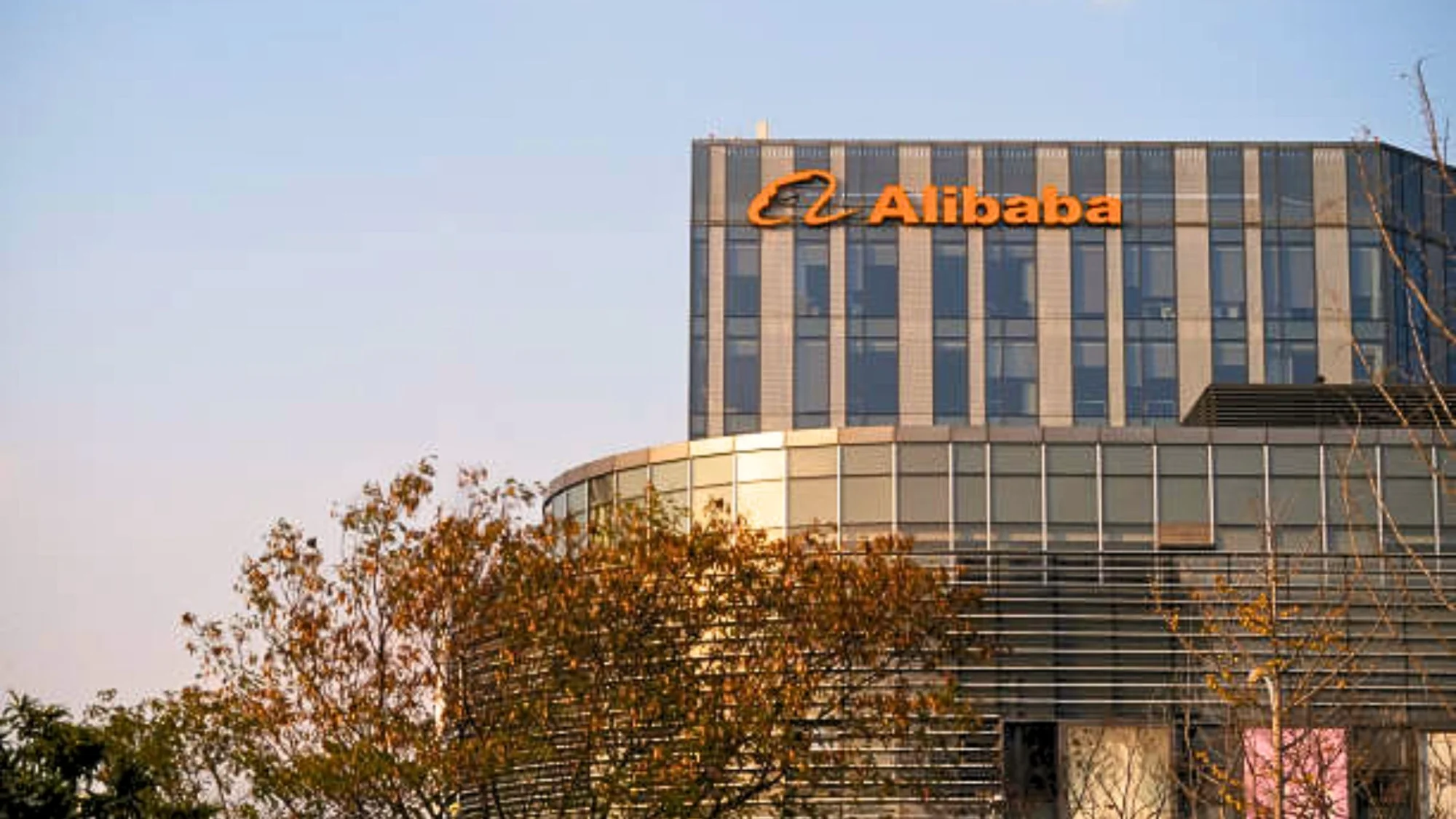
Chinese tech giant Alibaba has unveiled its next-generation XuanTie C950 processor at an internal conference in China, as it steps up its push into agentic AI, Reuters reported, citing a blog post. The company positioned the chip as part of its broader AI infrastructure strategy.
The 3.2 GHz server chip uses the open-source RISC-V architecture and targets high-performance cloud and AI computing tasks. Alibaba said the chip delivers more than three times the performance of its predecessor, the XuanTie C920. It did not disclose the manufacturing partner.
The processor was introduced at the company’s ecosystem conference, where its research arm DAMO Academy presented it as a flagship CPU core for AI workloads. Reports cited by Reuters described it as “the highest performing RISC-V CPU in the world”.
“RISC-V’s open-standard nature allows chip designers to customise instruction sets and accelerate specific AI workloads with no or low licensing fees,” the company said. It added that this flexibility is “particularly important for the development of AI agents”.
According to the South China Morning Post (SCMP), the chip features an eight-instruction-decode width and a 16-stage pipeline, enabling it to efficiently process a large number of commands. Through co-optimised hardware and software, the processor supports workloads such as MySQL, Redis, Nginx and OpenSSL.
It can also power inference for large language models such as Qwen and DeepSeek when paired with Alibaba’s in-house acceleration engines.
The chip launch comes as AI agents emerge as a new area of competition among Chinese technology firms. Companies including Alibaba, Tencent and ByteDance are building or integrating such systems after the rise of OpenClaw, a widely adopted AI agent platform.
Alibaba was an early adopter of RISC-V in China, launching its XuanTie series in 2018. Chips such as the C910 and C920 have seen industry adoption, while newer variants like the C925 and C930 expand their server-grade offerings, the SCMP reported.
The company is also scaling its semiconductor arm, T-Head. It has shipped more than 4,70,000 AI chips as of February and is approaching 10 billion yuan in annual revenue over the past two years, according to company disclosures cited by reports.
The push into RISC-V also reflects efforts to reduce reliance on US-linked chip technologies. The open-standard architecture allows companies to design processors without export restrictions tied to proprietary systems.
Alibaba has paired its chip development with new AI platforms. It recently launched an AI platform, Wukong, for enterprise AI agent workflows and introduced Accio Work for global users. Earlier this month, it reorganised AI teams under a new unit called Alibaba Token Hub, an AI-focused business led by CEO Eddie Wu.

Your reaction
Discussion
What's your take on this story?
No comments yet — be the first to share your view.