
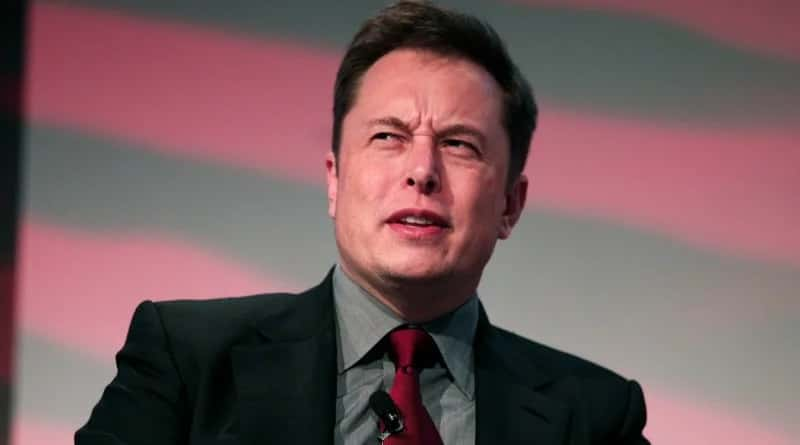
Billionaire Elon Musk took the stand on April 28 in a closely watched trial that could influence the future of OpenAI, portraying his lawsuit as a defence of charitable principles rather than a business dispute.
Musk is suing OpenAI, along with Co-Founder and CEO Sam Altman and President Greg Brockman, alleging they abandoned the organisation’s original mission of developing AI for the benefit of humanity. He claims the company instead evolved into a profit-driven enterprise, contrary to its founding ethos.
“If we make it OK to loot a charity, the entire foundation of charitable giving in America will be destroyed,” Musk told the court. “That’s my concern.”
He further asserted that OpenAI was fundamentally his creation. “I came up with the idea, the name, recruited the key people, taught them everything I know, provided all of the initial funding,” Musk said, adding that it was “specifically meant to be for a charity that does not benefit any individual person.”
Attorneys for OpenAI pushed back strongly. Attorney William Savitt, representing the company and Altman, argued that Musk himself had previously supported transitioning OpenAI towards a for-profit model and sought greater control over the organisation.
According to Savitt, Musk wanted “the keys to the kingdom” and only turned against OpenAI after failing to secure a leadership role. “We are here because Mr Musk didn’t get his way,” he told jurors.
The defence also emphasised that OpenAI’s creation of a for-profit arm in 2019 was essential to securing the massive computing resources and talent needed to compete with rivals such as Google DeepMind. Investments from partners, including Microsoft, were framed as necessary for scaling advanced AI systems.
Musk is seeking $150 billion in damages from OpenAI and Microsoft, with any proceeds directed to OpenAI’s nonprofit arm. He is also asking the court to restore OpenAI to a nonprofit structure and remove Altman and Brockman from leadership roles.
The case includes allegations of breach of charitable trust and unjust enrichment, raising broader questions about how nonprofit-founded tech organisations evolve into commercial entities.
The trial has also revived long-standing disagreements over AI safety. Musk testified that concerns about AI risks were central to OpenAI’s founding.
The outcome of the trial could have far-reaching consequences. It may influence OpenAI’s potential IPO, which analysts suggest could value the company near $1 trillion, and shape public perception of AI governance.
It also highlights growing tensions in the AI industry, where organisations increasingly balance public-interest narratives with the capital-intensive realities of building advanced systems.
Musk, who later founded AI startup xAI, which is now integrated into SpaceX, is expected to continue his testimony on April 29. A verdict could arrive as early as mid-May.
- Bihar Partners with IT Cos to Train Government School Teachers In AI
- Meta Wants $95 Billion Through Stock Sales to Fund AI Infrastructure
- Pronto Founder Enters Physical AI Space With Provision Labs
- HCLTech Taps NVIDIA Simulation Tools to Automate Software-Defined Vehicle Testing
- Tata Communications Plans $450 Mn Investment to Build 10,000 Km AI Network
- Telangana Unveils AI-Powered Digital Twin of IT Minister at DevFest 2026